
 ID
ID IT
IT DE
DE ZH
ZH ES
ES FR
FR
Vietnam Michelin Key Hotels: Full List & Planning Insights
Vietnam Enters Michelin Key Hospitality Classification
Vietnam has been included in the Michelin Key hotel classification for the first time.
Data point: 13 hotels in Vietnam received Michelin Keys in 2024.
Source: Michelin Guide (2024)
This marks the expansion of Michelin’s evaluation system beyond restaurants into global hospitality benchmarking.
For Vietnam DMC and group travel operations, this introduces an internationally standardized framework for hotel quality validation.
What the Michelin Key System Measures
The Michelin Key evaluates hotels across design, service, and guest experience.
Data point: 3-tier classification system (One Key, Two Keys, Three Keys).
Source: Michelin Guide (2024)
This aligns hotel selection with measurable experience criteria rather than brand perception alone.
For planning logic, this enables structured segmentation of accommodation across luxury FIT, MICE and VIP programs.
Three-Key Hotels: Limited Ultra-Luxury Supply
Vietnam currently operates a very limited number of Three-Key hotels.
Data point: 2 properties awarded Three Keys in 2024.
Source: Michelin Guide (2024)
This indicates constrained ultra-luxury inventory at the highest global standard.
For supplier coordination, early confirmation and strict allocation control are required for high-end group travel operations.
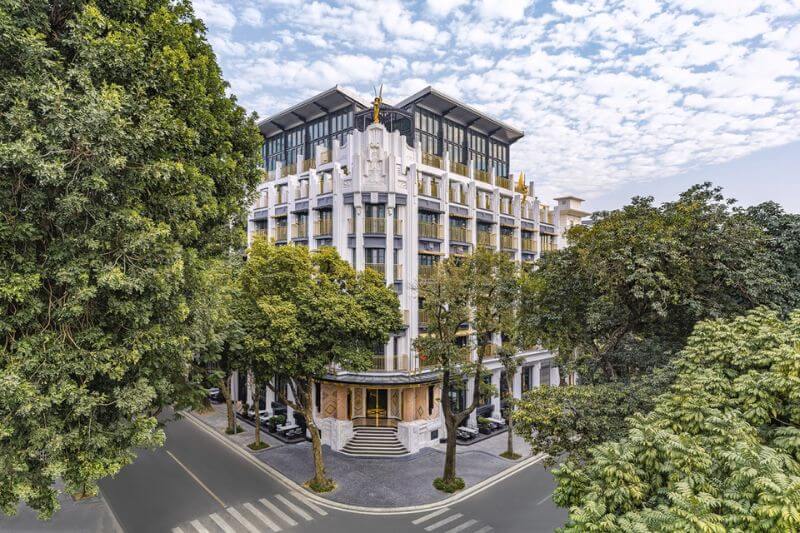
Capella Hanoi
Positioning: Urban luxury boutique with strong design identity.
Operational implication: Suitable for high-end FIT and small VIP groups in Hanoi with centralized routing.

Amanoi – Khanh Hoa
Positioning: Remote wellness and retreat-focused luxury.
Operational implication: Requires integrated transport planning and longer stay duration due to location constraints.
See transport planning logic: Vietnam Transportation Coach Planning
Two-Key Hotels: Scalable Luxury for Groups
Two-Key hotels provide a balance between luxury and operational scalability.
Data point: 3 properties awarded Two Keys in 2024.
Source: Michelin Guide (2024)
This category supports both high-end leisure and structured group programs.
For MICE and incentive travel, these hotels offer capacity, service consistency, and event infrastructure.
Relevant planning context: Vietnam MICE
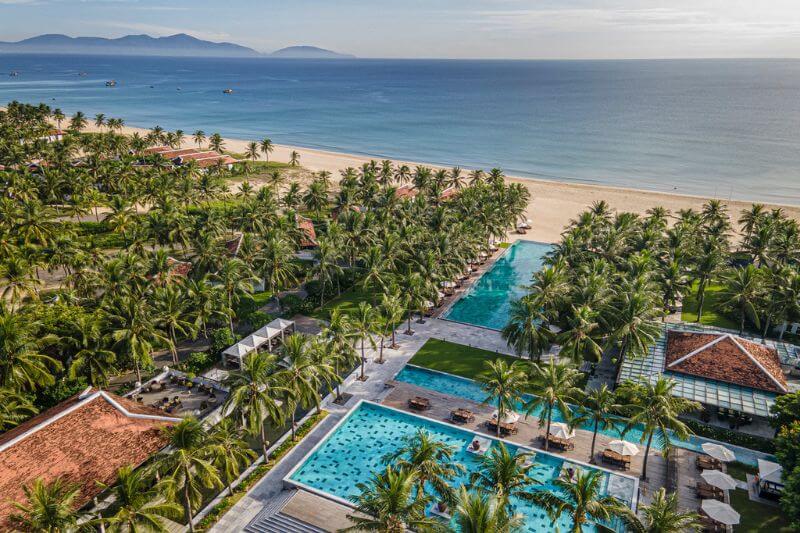
Four Seasons Resort The Nam Hai – Hoi An
Operational implication: Suitable for incentive groups with integrated beachfront event setups.

Banyan Tree Lang Co – Hue
Operational implication: Works for executive retreats requiring privacy and controlled access.
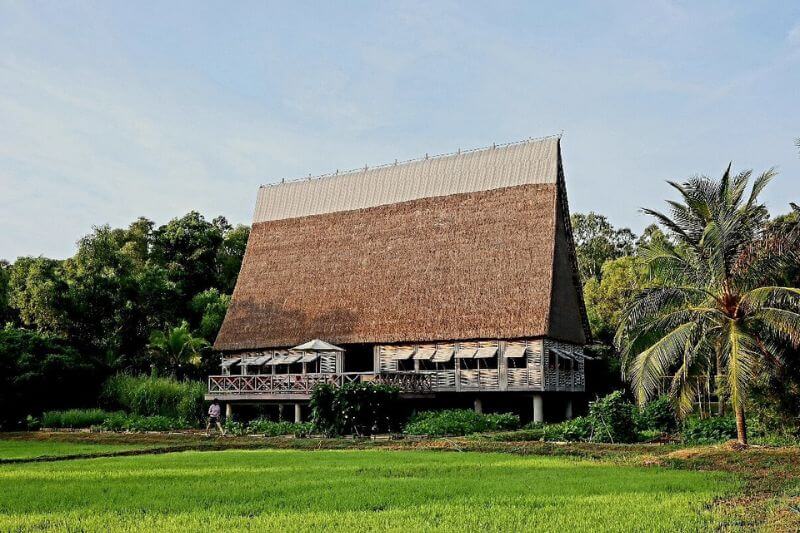
Zannier Hotels Bai San Ho – Phu Yen
Operational implication: Suitable for experiential programs but requires advanced routing and supplier coordination.
One-Key Hotels: Core Inventory for Luxury Programs
One-Key hotels represent the largest share of Michelin-recognized supply.
Data point: 8 properties awarded One Key in 2024.
Source: Michelin Guide (2024)
This segment forms the operational backbone for most luxury itineraries.
For Vietnam DMC operations, these hotels allow flexibility across routing, budgeting, and availability.
Hotel coordination reference: Vietnam Hotel Rooming Coordination

Azerai Ke Ga Bay – Binh Thuan
Operational implication: Suitable for short-stay extensions from Ho Chi Minh City.

Legacy Mekong – Can Tho
Operational implication: Supports Mekong Delta routing with integrated local experience design.

Six Senses Con Dao
Operational implication: Requires flight coordination and capacity planning due to island access constraints.
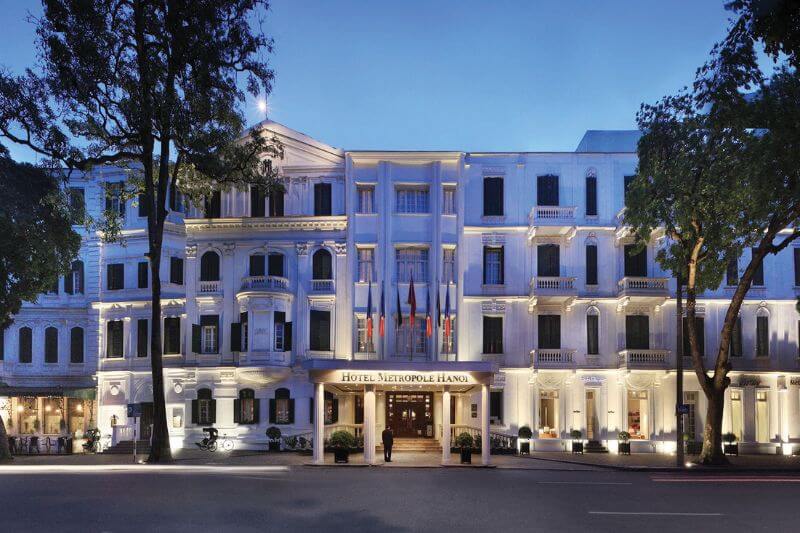
Sofitel Legend Metropole Hanoi
Operational implication: High suitability for corporate groups and diplomatic-level programs.
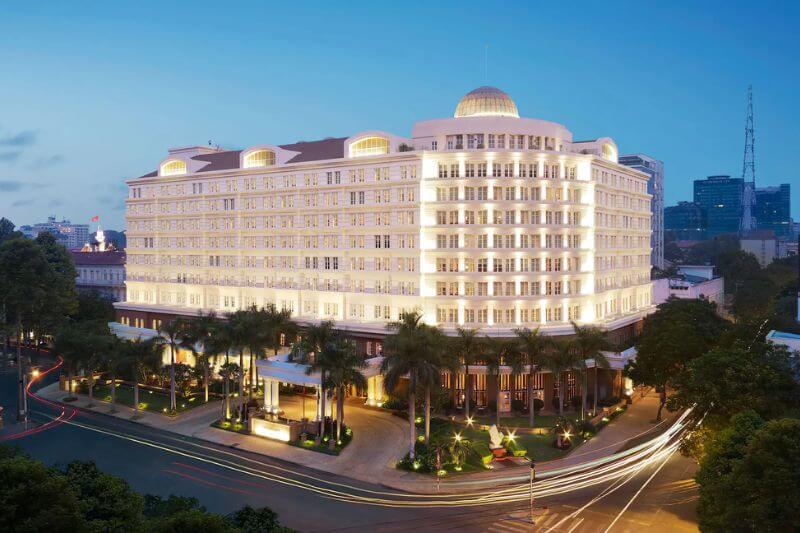
Park Hyatt Saigon
Operational implication: Strong fit for business travel and premium urban programs.

Six Senses Ninh Van Bay
Operational implication: Requires boat transfer planning and strict scheduling.

Regent Phu Quoc
Operational implication: High suitability for large incentive groups and gala events.

Hotel de la Coupole – Sapa
Operational implication: Supports Northern Vietnam mountain routing with premium positioning.
Plan with Michelin Key hotels
Use these pages to build proposals around Michelin-recognized properties.
Market Impact on Vietnam Luxury Travel Positioning
Michelin recognition signals Vietnam’s entry into the regional luxury hospitality tier.
Data point: Vietnam competing with established luxury destinations such as Thailand and Japan in 2024 classification.
Source: Michelin Guide (2024)
This reflects increased international validation of service standards and product quality.
For planning logic, Vietnam can now be positioned as a primary luxury destination rather than an emerging alternative.
“Luxury positioning is no longer based on perception, but on globally recognized classification.” — Dong Hoang Thinh, Operational Review
Operational Implications for Travel Professionals
Michelin Key hotels will reshape product design across multiple segments.
Data point: Growth of luxury and MICE demand in Southeast Asia projected through 2026.
Source: UNWTO (2025)
This drives increased demand for certified high-end accommodation.
Operational implications:
- Luxury FIT programs can integrate validated hotel tiers into itinerary design
- MICE programs gain access to globally recognized venues
- Supplier selection becomes more standardized and benchmark-driven
Related planning structure: Vietnam DMC Planning Framework
Forward Outlook for 2026
Additional Vietnamese hotels are expected to enter the Michelin Key system.
Data point: Expansion expected in emerging destinations such as Ho Tram, Ha Long, and Da Lat.
Source: Vietnam National Administration of Tourism (2025)
This reflects ongoing investment in high-end hospitality infrastructure.
For Vietnam DMC, this expands supplier options but increases complexity in supplier governance.
Supplier management reference: Supplier Governance
Conclusion
The Michelin Key classification introduces a structured quality benchmark for Vietnam’s hotel sector.
Data point: First inclusion completed in 2024 with multi-tier classification.
Source: Michelin Guide (2024)
This standardizes how luxury accommodation is evaluated and selected.
For group travel operations, this improves planning accuracy, supplier validation, and client positioning.
For partner-side execution context, see: Partner Perspectives