 ID
ID IT
IT DE
DE ZH
ZH ES
ES FR
FR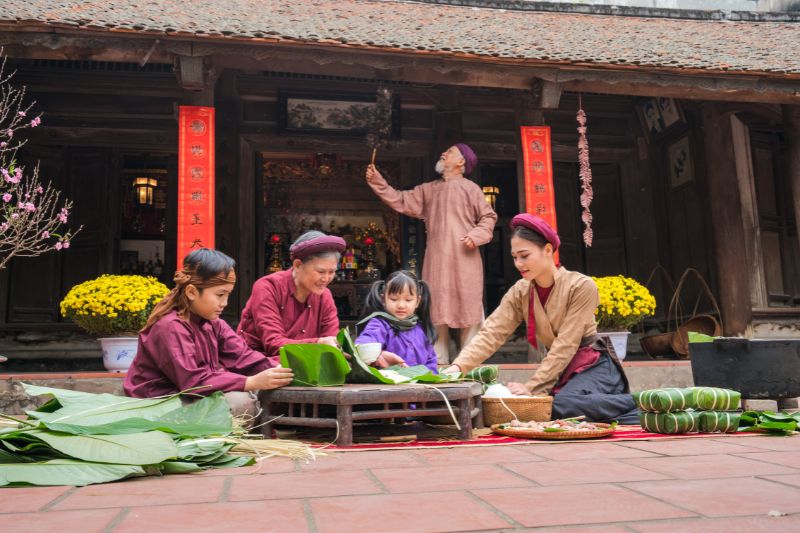
Vietnamese Family Culture: A Guide for Travel Pros
Destination Travel Experience Guides / Destination Intelligence for Travel Professionals In Vietnam, family is a primary social unit that influences hospitality, hierarchy, ceremonial etiquette, and group dynamics. For travel professionals, this is not “nice-to-know” culture—it’s itinerary intelligence that improves guest satisfaction and reduces friction on the ground. If you are evaluating a local partner, start with our Vietnam DMC authority overview and how we operationalize standards through Vietnam DMC Operations. Vietnamese family culture shapes how people welcome guests, how decisions are made in groups, and how respect is expressed in everyday settings. When planners treat these patterns as part of product design—timing, guide briefing, dining flow, and VIP handling—experiences feel smoother and more authentic. If you’re comparing partner models, see how we position collaboration in Vietnam Travel Partner and our operating approach in How We Work With Partners. Age and role matter in conversation order, seating, toasts, and decision moments. For groups, especially incentives, this affects welcome scripts, dinner pacing, and who should be addressed first. “We” often comes before “I.” Multi-generational travel is common, and family-linked community rhythms show up in markets, pagoda/temple visitation patterns, and weekend movement. Meals are relationship infrastructure. Brief guests on shared dishes, respectful serving gestures, and toast etiquette, especially when VIPs or host-side stakeholders attend. Small acts (incense, respectful silence, modest attire) carry meaning. For cultural stops, clarity prevents accidental discomfort and improves perceived professionalism. This is where cultural knowledge becomes operational advantage. A professional DMC should translate culture into briefings, service choreography, and risk reduction. Our operational doctrine is detailed in Vietnam DMC Operations. Incentive and corporate groups amplify cultural signals: leadership hierarchy is clearer, hosts may attend, and small misreads become noticeable. Cultural intelligence strengthens VIP handling, stage flow, gifting protocols, and gala tone. For group frameworks and program logic, see Vietnam MICE & Corporate Events. When you sell Vietnam, culture is a differentiator only if it is delivered cleanly on the ground. We recommend positioning family culture as experience design intelligence: smoother guest interactions, stronger guide storytelling, and better group flow. If you’re evaluating partner fit and delivery standards, review: Vietnam DMC, How We Work With Partners, and Vietnam Travel Partner. Vietnam’s family culture is a practical planning layer: it shapes pacing, etiquette, dining flow, and group dynamics. The differentiator is not what you explain—it’s what your partner can execute consistently. For partner-facing standards and collaboration structure, use: Vietnam Travel Partner. Reference links: Vietnam DMC · Vietnam DMC Operations · Vietnam MICE & Corporate Events · How We Work With Partners · Vietnam Travel PartnerHow Vietnamese Family Culture Shapes Visitor Experiences (A Practical Brief for Travel Professionals)
Executive Summary
Why This Matters to Itinerary Design
Core Family Patterns Travel Pros Will Notice
1) Respect and Hierarchy
2) Collective Identity
3) Shared Meals as Social Glue
4) Ceremony and Ancestral Respect
Operational Translation: What to Brief, What to Build
Guide Briefing Checklist (Practical)
Itinerary Design Moves
Why This Is Especially Important for MICE & Incentives
Positioning Note for Travel Trade Sales
FAQ for Travel Professionals
Planning Takeaway