 ID
ID IT
IT DE
DE ZH
ZH ES
ES FR
FR
Vietnam Group Airport Arrivals for Travel Agents | SOP
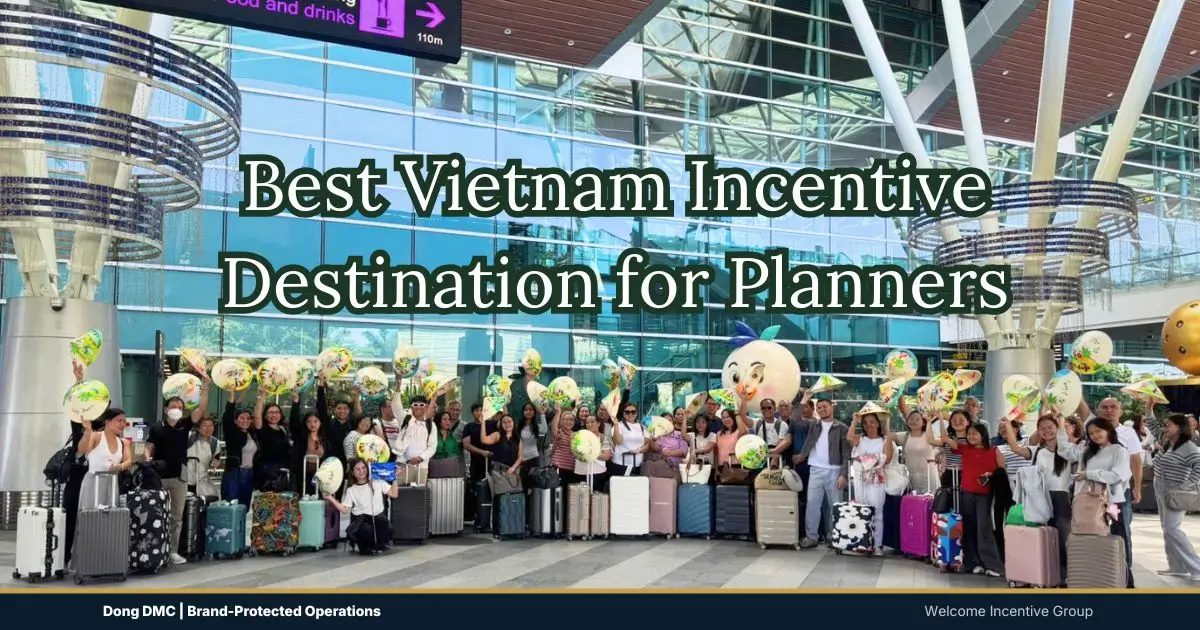
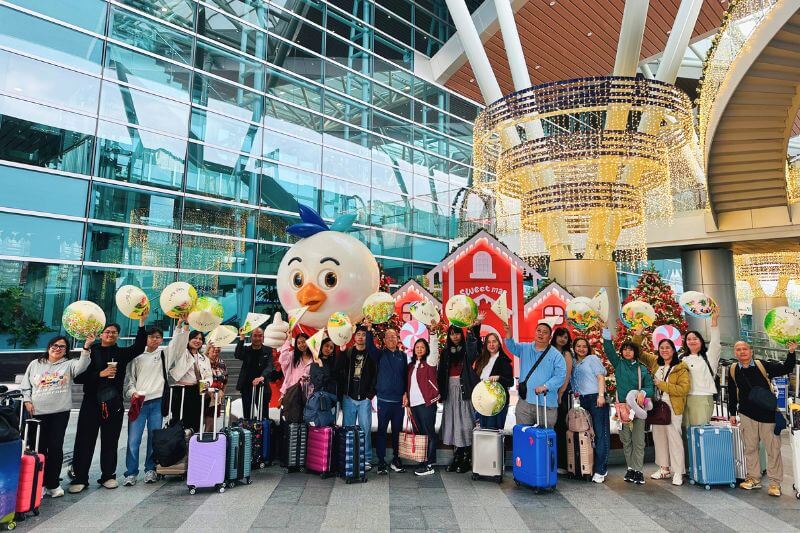
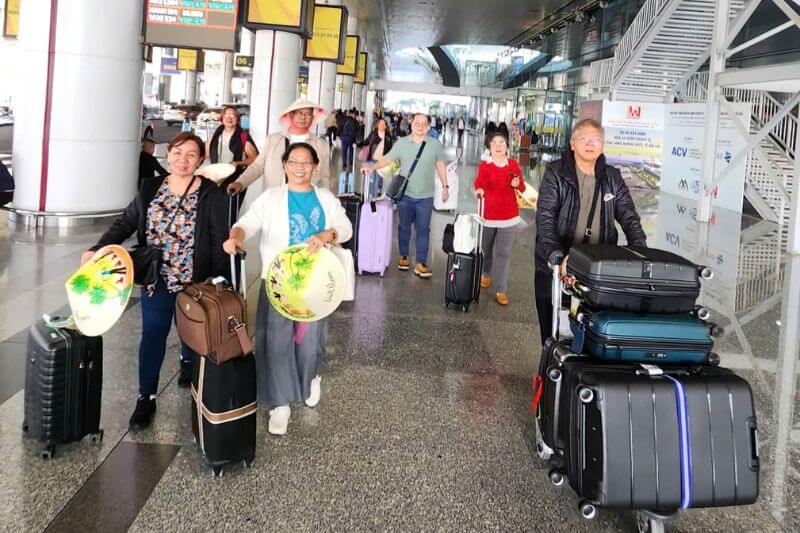
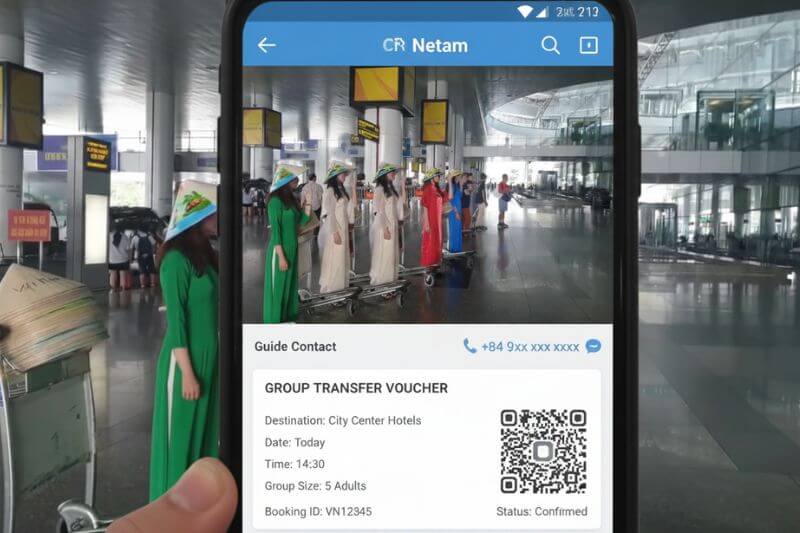
Reading time: 32-40 min For leisure groups (20-50 pax), Day 1 success is often decided at the airport. This guide to Vietnam airport group arrival procedures helps travel agents set realistic timing, reduce immigration queuing risk, and move 30+ suitcases out of the terminal with control. You can paste the playbooks, timing rules, and guest-facing notes directly into your proposal, itinerary, or pre-departure briefing. The aim is simple: protect your program flow (lunch, check-in, touring) and protect your brand from arrival-day surprises. For onward routing impact (hotel access windows, coach restrictions, traffic banks), cross-check with our operational playbooks such as hotel access and coach logistics and the traffic and protocol risks playbook. Keyword focus: Vietnam airport group arrival procedures International arrivals at Vietnam’s major airports follow a consistent sequence: entry/health checks - visa processing (if required) - immigration/passport control - baggage claim - customs - exit to arrival hall. In normal conditions, this can take 45-60 minutes, but actual time varies heavily by flight volume, time of day, staffing, and visa status. Public airport guidance and third-party airport guides reflect the same flow across Hanoi (Noi Bai - HAN), Ho Chi Minh City (Tan Son Nhat - SGN), Da Nang (DAD), and Cam Ranh (CXR). Why groups feel slower than FIT: airport processes are designed for individuals, but group operations require synchronization. One delayed passport scan, one missing baggage trolley, or one guest sent to a different queue creates a “stop-the-coach” effect. This is why the risk is not just inconvenience - it’s a chain reaction to hotel check-in, restaurant seatings, and afternoon touring. A 20-minute slippage at immigration can become a 60-minute disruption by the time you re-seat a group dinner and re-time city routing. Decision points you can include in your proposal (Consideration-stage friendly) 1) Fast-track vs standard lines: add cost, remove uncertainty. Fast-track is a reliability lever when queues are unpredictable. 2) One-coach vs two-coach transfer (luggage-driven): for 40-50 pax with full-size suitcases, split vehicles can reduce loading time and protect luggage safety. 3) Arrival-day program style: “soft landing” (hotel first) vs “active arrival” (touring first). The right choice depends on landing time, visa mix, and group energy profile. Vietnam-specific realities to brief clients on (to prevent arrival-day friction): Immigration queuing can spike during peak arrival banks, especially when multiple widebody flights land close together. Customs checks are typically quick but can be random. For guests requiring visa processing, ensure documents are printed and also saved digitally, and that any applicable fees are prepared in the correct format (where required). These small controls reduce the chance of one passenger delaying the whole group. Below is a rebrandable, guest-friendly “arrival playbook” you can paste into your itinerary notes. It uses simple instructions and reduces on-the-ground confusion, especially for first-time Vietnam travelers and multi-nationality groups. Copy-ready: Group Arrival Instructions (International Flight - Vietnam) Step 1 - Follow signs: After landing, follow the “Arrivals” signs toward passport control. Step 2 - Documents ready: Keep your passport and visa document (if applicable) in hand. Your passport should be valid for at least 6 months from your travel date and have at least 1 blank page. Step 3 - Immigration: Join the queue and wait for your passport to be stamped/verified. Please stay with the group unless your tour leader instructs otherwise. Step 4 - Baggage claim: After immigration, proceed to baggage claim and check the screens for your flight number and belt number. Step 5 - Customs: Proceed through customs (green channel if nothing to declare, red channel if you have items to declare). Checks can be random. Step 6 - Meeting point: Exit into the arrival hall and look for your guide holding a sign with: [Your Company Name] - [Group Code] - [Flight Number]. Step 7 - Transfer: Once the group is assembled, you will be escorted to the coach for transfer to the hotel. These templates are structured to protect timing under variable immigration queues. You can keep the guest-facing language and adjust only the hotel and meal venues. Template A (Early arrival - operationally safe for light touring) Landing + 60-90 min: Immigration, baggage, customs, meet guide + 30-60 min: Transfer to hotel, quick luggage drop (no room access assumed) + 90-150 min: Light city routing close to hotel (low commitment stops) Buffer: Keep lunch flexible (late seating or set menu) in case immigration extends. Template B (Late arrival - protect guest rest and hotel flow) Landing + 60-120 min: Immigration, baggage, customs, meet guide + 30-60 min: Transfer and direct hotel check-in Dinner: Set-menu dinner near hotel or hotel dining (pre-ordered) to reduce late-night waiting. Template C (Mixed flights - keep one master itinerary, reduce waiting) Plan: Split meet and greet by flight, stagger transfers, regroup at hotel Operational note: Use two arrival boards (Flight A / Flight B) and a fixed regroup time window. Guest promise: No one waits alone - each flight has a named guide/assistant contact. Meet and greet success is mainly about positioning and timing. Your proposal should define what “meeting time” means (landing vs arrival hall), because this is where expectations break. Recommended timing language (proposal-ready): Standard service: “Guide meets the group in the arrival hall approximately 60-90 minutes after landing (timing depends on immigration and baggage).” With fast-track: “Airport staff meets the group at the immigration/visa processing area and escorts through priority processing. Typical meet time is 15-30 minutes after landing depending on walking time and operational conditions.” Where the escort should stand (clarify in writing): Arrival hall meeting point: best for standard arrivals and groups where all guests have e-visa/visa-free entry. Immigration/visa counter positioning: best when any guests require visa stamping or when the group leader wants close shepherding through queues. For leisure groups, baggage claim is where timelines become unpredictable. The goal is not speed at any cost - it is control: every bag accounted for, no missing luggage leaving the airport unnoticed, and no crowding at one carousel edge. Recommended method (simple, works across airports): 1) Luggage tags before departure: each guest attaches a tag with group code and tour leader contact. If you need a printable sheet, request our “Group Arrival Pack” template (see Section 5). 2) Assign two “baggage captains”: usually the tour leader + one assistant. Their only job is to coordinate at the belt, not answer SIM card questions. 3) Bag count reconciliation: confirm total bags at carousel, then confirm again at coach loading. This reduces the most common incident: one bag left behind on a trolley or beside the belt. 4) Coach loading lane: keep one clear lane and load by zone (A-M, N-Z) or by rooming list sequence for faster hotel distribution later. 5) One decision rule: if baggage is still not complete after an agreed threshold (e.g., 30 minutes after first bag appears), start the lost bag action plan and move the main group (details in Section 3). The arrival sequence is consistent across Vietnam, but the operational “pinch points” differ by airport. Use the notes below to adjust meet and greet positioning and time buffers. What changes operationally: Entry checks may include health/thermal scans before immigration, and immigration queues can extend during arrival banks. Plan a stronger buffer if your group arrives alongside multiple international flights. Meet and greet guidance: If using fast-track, confirm whether the meet point is at immigration area or arrival hall, and confirm the exact floor/exit reference in your final briefing. If standard, keep the meeting point in the arrival hall with a highly visible sign format (see Section 5). Timing buffer suggestion (proposal-ready): For 30-50 pax on standard processing, budget 75-120 minutes from landing to coach departure during peak windows. Fast-track can reduce variability, but baggage time still applies. What changes operationally: For guests using visa on arrival services, the process often includes a visa counter step before immigration. This creates a split-flow risk if only some guests need stamping. Meet and greet guidance: If any guests require visa stamping, position an escort earlier (visa/immigration area) or deploy an assistant to manage the subgroup. This prevents the “group leader stuck waiting at arrivals hall” scenario. Timing buffer suggestion: Mixed visa types require longer buffers unless you operationally separate flows (see Section 3 - pre-sorting by visa type). What changes operationally: Da Nang can be operationally efficient for groups when arrival volumes are moderate. Assistance services may meet closer to the gate lounge depending on service scope. Meet and greet guidance: For multiple groups landing close together, use a strict sign format (company + group code + flight) to reduce mis-meets. For dual flights, run two arrival boards and keep a fixed regroup time at the hotel. What changes operationally: Transfers can move quickly once the group clears the terminal, but simultaneous charter/group arrivals can cause baggage belt crowding and delayed trolley availability. Luggage emphasis: Use the luggage captain method and bag count reconciliation. Resort check-in is often sensitive to arrival waves, so pre-alert the hotel with your group ETA windows (see Section 3 timeline). Operational note: airport layouts and staffing can change. Use these notes as planning defaults, then confirm the final meet and greet instructions in your 24-hour reconfirmation. This section is written as a behind-the-scenes SOP that you can reference in proposals. It shows clients (and internal stakeholders) that arrival is managed as a controlled process - not an on-the-day improvisation. T-72 hours (data lock) Collect and confirm: flight list, passenger count, tour leader contact, nationality mix, visa status by passenger (visa-free / e-visa / other), special assistance needs, and baggage profile (sports equipment, oversized items). T-24 hours (reconfirmation) Reconfirm: live flight status watchlist, guide and assistant assignment, vehicle type, luggage capacity plan (1 vs 2 vehicles), hotel group check-in plan (rooming list, master folio, early check-in feasibility), and restaurant ETA window if lunch/dinner is scheduled. T-0 (airport day control) Monitor landing updates, trigger meet and greet positioning, push timing updates if immigration or baggage is slow, and update the next suppliers (hotel/restaurant) with revised ETA to keep the group moving without waiting. 1) Pre-sort the group by visa type and nationality. Even if everyone is on the same booking, not everyone has the same entry process. Create a simple tracker (name - nationality - visa type - document status) so you know who may cause queue divergence. 2) Run a “passport check huddle” before guests enter the line. The group leader checks only the basics: passport in hand, passport validity (6+ months), at least one blank page, visa document accessible if applicable. This is a 2-minute check that can prevent a 30-minute escalation later. 3) Use peak-hour buffers intentionally. If you land in a known busy window, do not schedule a fixed-time lunch with no flexibility. Use a time-window seating or set menu with an agreed “latest acceptable arrival” time. 4) Keep the group together - except when separating prevents larger delay. If only 2-4 guests require additional processing, assign an assistant to them and move the main group forward after a clear decision threshold. This keeps 90% of guests progressing while the minority is supported. Fast-track is most valuable when it removes variability. It does not eliminate baggage time, but it can materially reduce immigration queue risk and improve the predictability of coach departure. Best-fit scenarios for leisure groups: - 25-50 pax where one long queue threatens the entire day plan - Late-night arrivals where fatigue increases confusion and slower walking speed - Tight day-1 program (scheduled dinner, show tickets, domestic connection) - First-time tour leaders who benefit from close on-ground shepherding What to clarify in writing (to prevent misunderstandings): - Exact meet point: arrival hall vs immigration/visa area - Scope: escort through queue, support for visa stamping where applicable, assistance at baggage claim, escort to transfer point - Service window: day vs night operations can affect cost and availability - Group handling: whether the service supports subgroups (mixed flights, mixed visa types) Cost note for budgeting: public fast-track listings indicate per-pax fees vary widely by service scope, airport, and time window. If you need a clean line item for your proposal, request a routing advisory and we will quote based on your specific flight bank, group size, and visa mix. Failure #1: One bag left behind at the carousel. Control: bag count reconciliation at the belt and again at the coach bay. The baggage captain signs off the count. Failure #2: A delayed bag is discovered only at the hotel. Control: if a bag is missing, report it immediately while still inside the baggage claim area. Keep baggage tag stubs, take a photo of the carousel screen, and open the incident before the group exits. Copy-ready: Delayed / Missing Baggage Action Plan (group) Step 1: Confirm missing bag by owner + baggage captain (check similar bags nearby). Step 2: Report immediately at the airline baggage service counter with baggage tag information. Step 3: Record delivery address (hotel) and owner contact (tour leader preferred). Step 4: Main group continues to hotel when operationally sensible; assistant remains with affected guests if needed. Step 5: Confirm delivery plan (same day / next day) and send a written update to agent and tour leader. After baggage claim, guests proceed through customs. Typically there are two channels: green (nothing to declare) and red (items to declare). Inspections can be random. The operational goal is to avoid last-minute bag repacking at the exit. What to brief clients (neutral, practical): - Pack to avoid restricted/prohibited items and follow airline rules for batteries and liquids. - If carrying items that should be declared, use the red channel to avoid delays from secondary checks. - Keep the group moving: do not stop at the exit to reorganize luggage unless instructed. Arrival halls can be noisy with SIM kiosks, transport sellers, and multiple tour signs. Your process should reduce decision-making for guests. Controls that work for 20-50 pax: - Fixed meeting point: one clear location and one clear sign format - Single exit plan: “Meet - headcount - move” (no shopping until after headcount) - Coach bay coordination: guide moves the group only when vehicle is confirmed present and doors are ready (prevents curbside waiting) Travel agents lose deals and sleep for the same three reasons: slow DMC replies, not knowing where the group is, and documents scattered across chats. Arrival day is where all three risks show up at once. This is where a controlled workflow and a practical agent-facing toolset reduces operational noise. If you are presenting Vietnam as a packaged group tour, these are the app features that clients and tour leaders understand immediately (no technical explanation required): 24/7 access to live operational details: flight details, guide contact, vehicle info, and emergency contacts in one place. Digital vouchers: reduces paper loss and avoids “who has the latest version” confusion. Meeting point photos and instructions: lowers mis-meet risk in crowded arrival halls. Push notifications for exceptions: if immigration is slower than planned, stakeholders get one consistent update rather than multiple chats. You can reference the tool directly in your proposal as part of your “arrival reliability” promise: Dong DMC Agent App. 1) Coach departure confirmation: when the coach rolls, restaurants and hotels can be updated accurately. 2) Hotel ETA updates: reduces lobby crowding and helps hotels stage group check-in more smoothly. 3) Exception handling: if a bag is delayed or a passenger is held for additional checks, the incident is logged and communicated without drama. Copy-ready: response speed language you can use to win deals (2025) Quotations: “Group tour quotes are typically returned within 12-60 minutes during working hours, with clear inclusions and operational notes.” Reconfirmations: “All arrival-day services are reconfirmed within 24 hours of landing, including guide contact, vehicle details, and meet and greet instructions.” Escalation: “Airport-day changes are handled via a defined escalation channel with 24/7 operational support.” If you want to present “why us” proof points without overselling, link to: why partners choose Dong DMC. If sustainability compliance is part of your corporate procurement checklist, reference: sustainable operations. These short scenarios are written so you can paraphrase them in proposals or client emails as “how we handle it” examples. They are operational, not promotional. If you need formal write-ups for procurement, request relevant references from our partner success stories library. Risk: Group lands during a busy international arrival bank. Standard immigration queues extend and dinner timing becomes uncertain. Controls applied: Pre-sorted visa/document check list, fast-track arranged for priority processing where applicable, and a timed update workflow. Restaurant is placed on an ETA window with a set menu to protect service speed. Client-facing outcome: Group exits the airport in a controlled flow, dinner starts without a long wait, and the tour leader is not left managing exceptions alone. Risk: Two flights arrive 70 minutes apart. If you wait to move as one, the first flight group loses momentum and gets frustrated. Controls applied: Staggered meet and greets, two transfers, regroup at hotel. Hotel is pre-alerted with rooming list and group check-in plan, reducing front desk congestion. Client-facing outcome: Both subgroups are received, moved, and checked in without crowding and without the first subgroup “waiting for the second” in a public space. Risk: Several bags do not arrive, and the group is at risk of losing the first afternoon program while filing reports. Controls applied: Immediate baggage counter reporting while still at the airport, incident documented, delivery arranged to the hotel, and a clean handover to the tour leader and agent. Client-facing outcome: Main group continues to hotel and touring as planned; affected guests receive clear updates and bag delivery without program disruption. Co-brandable proof points you can request (proposal add-ons) - Arrival-day SOP (1-2 pages, client-forwardable) - Group arrival checklist and templates (flight manifest, visa tracker, luggage tags) - Sample meet and greet signage formats - Service-level commitments (response windows, 24/7 escalation) This section is designed to be copied into your internal operating notes or appended to a client proposal as “how we manage arrivals.” It is intentionally practical. Group Arrival Pack - Minimum Contents Flight manifest template: flight no., landing time, terminal, passenger count, tour leader contact Visa status tracker: guest name - nationality - visa type - document confirmed (Y/N) Rooming list: final version with room types, special notes, and tour leader room highlighted Emergency contact sheet: agent, tour leader, DMC ops, guide, driver Meeting point map: terminal exit reference + written instructions Luggage tag sheet: group code + tour leader phone + hotel name Use this as proposal language to justify staffing without sounding like “extra cost.” The framing is risk reduction and guest flow control. 20-29 pax: 1 guide + 1 driver. Add 1 assistant if many seniors, mixed language needs, or mixed visa processing. 30-50 pax: 1 guide + 1 assistant + driver. Consider 1-2 porters where permitted/appropriate, and consider a second vehicle when luggage volume is high or when transfers require fast loading. Recommended sign format (large, readable, specific) Line 1: [Your Company Name or Brand] Line 2: [Group Code] - [City Program Name] Line 3: [Airline + Flight Number] - [Arrival Date] Optional: “Please stay together and follow the tour leader” (English + one additional language if needed) A communication tree prevents conflicting messages and protects your credibility with the client. Communication flow Guide/assistant -> Ops: landing confirmation, queue situation, baggage status, coach readiness Ops -> Agent: standardized updates at milestones (landed, met, clearing immigration delay, coach rolling) Agent -> Tour leader/client stakeholders: one clean update, no speculation Triggers for push updates: immigration delay beyond planned buffer, baggage delay beyond threshold, vehicle access change, hotel check-in shift Q: How long should I budget from landing to coach departure for 40 pax? A: Use a range, not a single number. For international arrivals, a common planning baseline is 45-60 minutes under normal conditions, but for 40 pax you should budget 75-120 minutes if arriving in a busy bank or if visa processing varies within the group. If you need a fixed timing promise in your proposal, we recommend building the day-1 program around an ETA window and using fast-track when schedule reliability matters. Q: What’s the best meet and greet location if some guests need visa on arrival processing? A: For mixed visa types, the safest method is to position assistance earlier (visa/immigration area) for the subgroup requiring stamping, while the main group proceeds under the guide/assistant’s control. If your service is standard (arrival hall only), schedule the meeting time as “60-90 minutes after landing” and instruct the tour leader to keep the group together until the guide meets them. Q: Can we split the group at immigration without losing people? A: Yes, but only with simple controls: pre-assign subgroups (A/B), confirm each subgroup’s leader, and use one clear regroup rule (e.g., “after immigration, go directly to baggage belt X and wait at the right-hand pillar”). The key is to split by visa type when needed, not randomly, and to keep a written headcount plan. Q: What happens if 10 bags don’t arrive? A: The operational priority is to open reports immediately while still in the baggage area, document each missing bag (tag details + passenger + hotel delivery address), and then decide whether the main group should move. For leisure groups, the usual best practice is: keep the program moving for the majority, assign an assistant to support reporting if required, and arrange delivery to the hotel with written updates to the agent and tour leader. Q: Is fast-track available at HAN/SGN/DAD/CXR and how do we book it? A: Assistance services are commonly available at major airports including Hanoi (HAN), Ho Chi Minh City (SGN), Da Nang (DAD), and Cam Ranh (CXR). Booking requires flight details, passenger count, and service scope (immigration only vs visa + immigration vs baggage support). For a clean proposal line item, request a routing advisory with your flight bank and group size so we can recommend the correct service level. Q: What documents must the tour leader carry vs each guest? A: Each guest must carry their own passport and any required visa documentation accessible at the point of processing. The tour leader should carry the group’s flight manifest, emergency contact list, hotel confirmation, and a copy of the meeting point instructions. For smoother airport flow, we recommend the tour leader also carries a printed “visa status tracker” for quick checks if a guest is pulled aside. Send us your flight details, group size, visa mix, and day-1 program goals. We will reply with a routing advisory that covers: realistic landing-to-coach timing, recommended meet and greet positioning, luggage handling plan for 30+ pax, and whether fast-track will materially reduce risk for your specific arrival bank. Fast quotations. Brand-protected operations. Zero missed arrivals. If you want to trial the operational workflow before you commit, ask for access to the Dong DMC Agent App for digital vouchers, live updates, and a single source of truth on arrival day.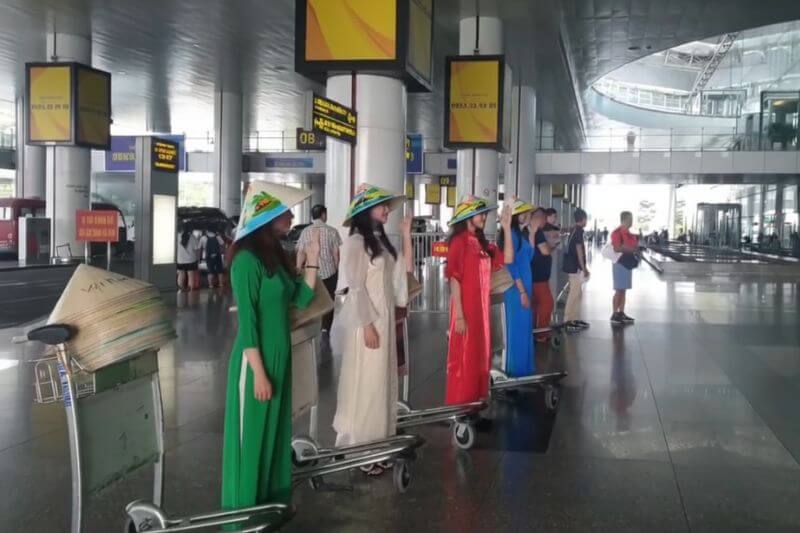
Planning Takeaways
1) Planner context: what’s really happening at Vietnam airports for leisure groups (20-50 pax)
2) Practical planning guidance: an arrival plan you can sell (and rebrand)
2.1 Arrival-day itinerary templates (ready-to-rebrand)
2.2 Meet and greet timing rules-of-thumb (20-50 pax)
2.3 Luggage handling for 30+ pax (practical controls that save 20-40 minutes)
2.1 Airport-by-airport planning notes (what changes operationally)
Hanoi - Noi Bai (HAN): what to plan for
Ho Chi Minh City - Tan Son Nhat (SGN): what to plan for
Da Nang (DAD): what to plan for
Cam Ranh (CXR - Nha Trang): what to plan for
3) Operational excellence and risk management: how to run Vietnam airport group arrival procedures smoothly
3.1 Backward planning timeline (group arrivals)
3.2 Immigration queuing strategy (what reduces risk for 20-50 pax)
3.3 Fast-track/VIP assistance: when it is worth it (operationally)
3.4 Luggage risk controls (30+ pax): avoid the two common failures
3.5 Customs briefing (group-friendly, keeps the group moving)
3.6 Transfer handover: prevent arrival hall chaos
3.1 Technology plus speed: reduce response-time fear, tracking gaps, and document chaos
What an Agent App should support on airport day (proposal-ready)
Real-time tracking use cases clients care about
4) Partner success scenarios you can reference in client conversations
Scenario 1: Peak-hour arrival, 40 pax, dinner seating protected
Scenario 2: Mixed flights, 28 pax split across two landings, zero lobby waiting
Scenario 3: Luggage disruption, 3 bags delayed, touring unaffected
5) Tools and checklists you can reuse (vietnam-dmc-operations-and-planning)
5.1 “Group Arrival Pack” checklist (copy-ready)
5.2 Staffing model suggestions by group size (arrival-focused)
5.3 Meet and greet signage kit (reduces mis-meets)
5.4 Airport-day communication tree (who updates whom, and when)
6) Frequently Asked Questions (for travel agents planning leisure groups)
Request Routing Advisory for Your Vietnam Group Arrival (2025)