
 ID
ID IT
IT DE
DE ZH
ZH ES
ES FR
FR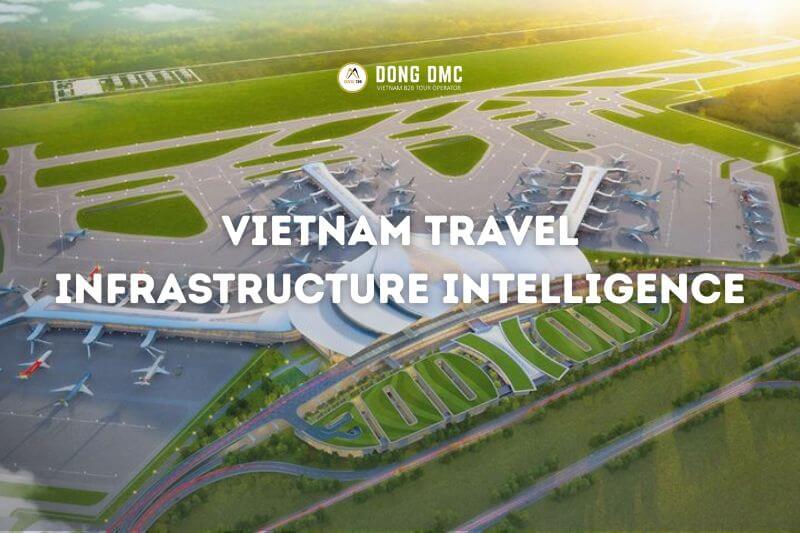
Vietnam Travel Infrastructure Intelligence
Vietnam has rapidly developed its tourism infrastructure over the past decade. Modern highways, expanding international airports, new airline routes, and improved tourism facilities have transformed the country into one of Southeast Asia’s most accessible destinations for international travelers.
For travel professionals planning group tours, incentive programs, or multi-destination itineraries, understanding Vietnam’s transport infrastructure and operational logistics is essential.
This infrastructure intelligence overview highlights the most important developments in air connectivity, highways, urban transport regulations, rail networks, and cruise ports, helping travel planners evaluate Vietnam as a destination for smooth and reliable tour operations.
Airports and Air Connectivity in Vietnam
Vietnam currently operates 22 airports, including 10 international airports serving major tourism gateways. These airports connect the country to Asia, Europe, the Middle East, and Australia, making Vietnam increasingly accessible for international group travel.
Major International Gateways
The main international hubs supporting tourism are:
Noi Bai International Airport (Hanoi)
The primary gateway to Northern Vietnam, connecting travelers to Hanoi, Ha Long Bay, Sapa, and northern cultural destinations.
Tan Son Nhat International Airport (Ho Chi Minh City)
Vietnam’s busiest airport and the main entry point for southern itineraries, including the Mekong Delta and Phu Quoc.
Da Nang International Airport
A strategic hub for Central Vietnam, serving travelers visiting Da Nang, Hoi An, and Hue.
Cam Ranh International Airport
Supporting coastal tourism to Nha Trang and surrounding beach destinations.
Phu Quoc International Airport
An increasingly important gateway for resort and luxury travel.
These airports allow travel professionals to design flexible itineraries combining multiple regions of Vietnam within a single trip.
Airport Expansion and Future Capacity
Vietnam continues investing heavily in aviation infrastructure to support growing tourism demand.
Long Thanh International Airport
One of the most significant projects is Long Thanh International Airport, located near Ho Chi Minh City. Once completed, it will become one of Southeast Asia’s largest aviation hubs.
The airport is expected to significantly increase passenger capacity and reduce congestion at Tan Son Nhat Airport.
Terminal Expansions
Several existing airports are also expanding:
- Hanoi Noi Bai Terminal upgrades
- Ho Chi Minh City Tan Son Nhat expansion
- Da Nang terminal modernization
These upgrades improve passenger flow and enhance the arrival experience for international visitors.
For travel professionals, these developments mean greater capacity for international arrivals and more flexible flight options.
New Airline Routes Connecting Vietnam
Air connectivity continues to expand as international carriers open new routes to Vietnam.
Recent years have seen increased connectivity from:
- Southeast Asia
- Northeast Asia
- Europe
- Middle East transit hubs
Airlines such as AirAsia, Cebu Pacific, Vietnam Airlines, Emirates, and Qatar Airways have strengthened their routes to Vietnamese destinations.
For group travel planners, stronger connectivity means:
- more departure options
- competitive airfares
- improved accessibility for long-haul travelers
Vietnam Highway Network and Road Infrastructure
Road infrastructure has improved dramatically in recent years, particularly through the expansion of Vietnam’s expressway system.
These highways significantly reduce travel time between major destinations and improve the comfort and reliability of ground transportation.
Major Expressways Supporting Tourism
Some of the most important routes include:
Hanoi – Lao Cai Expressway
The main route connecting Hanoi to Sapa in northern Vietnam.
Hanoi – Ha Long Expressway
A modern highway allowing travelers to reach Ha Long Bay in approximately 2.5 hours.
Ho Chi Minh City – Long Thanh – Dau Giay Expressway
Connecting Ho Chi Minh City with southern coastal destinations.
North–South Expressway (under development)
A long-term project connecting Vietnam’s major regions from north to south.
These highways support efficient multi-city itineraries and allow travel professionals to design smoother travel experiences.
Urban Traffic Regulations Affecting Tourism Transport
Major cities such as Hanoi and Ho Chi Minh City occasionally introduce traffic regulations to improve urban mobility.
For example, updated traffic policies in Hanoi focus primarily on restricting certain truck categories during peak hours in central districts.
However, these regulations typically do not affect tourism transport, including:
- passenger buses
- tourism vehicles
- group transfer services
Tour buses continue to operate normally within major tourism areas.
Experienced destination management companies monitor these updates to ensure routing adjustments when necessary.
Vietnam Rail Network for Tourism
While domestic flights and highways dominate transportation in Vietnam, the railway system still plays an important role for certain travel experiences.
The North–South Railway connects major cities along the country’s coastline, including:
- Hanoi
- Hue
- Da Nang
- Ho Chi Minh City
For tourism, some routes offer unique travel experiences.
Popular Tourist Rail Experiences
Hanoi – Lao Cai Overnight Train
Used by travelers visiting Sapa in northern Vietnam.
Hanoi – Hue Scenic Journey
Offering views of central Vietnam’s coastline and countryside.
Premium train services such as Victoria Express provide upgraded comfort for leisure travelers.
Cruise Ports and Coastal Tourism Infrastructure
Vietnam’s coastline has seen growing investment in cruise infrastructure, particularly in destinations popular with international travelers.
Major Cruise Ports
Ha Long International Cruise Port
Designed specifically for international cruise ships visiting Ha Long Bay.
Da Nang Port
Serving cruise tourism to central Vietnam.
Phu Quoc Cruise Facilities
Supporting increasing arrivals of regional cruise ships.
These ports allow cruise travelers to explore Vietnamese destinations through shore excursions organized by local operators.
Tourism Infrastructure in Major Destinations
Vietnam’s key tourism regions now offer strong infrastructure to support international travel.
Hanoi
Vietnam’s capital combines cultural attractions with modern infrastructure, including:
- international airport access
- improved highway connectivity
- modern hotels and conference venues
Ha Long Bay
One of the country’s most iconic destinations, supported by:
- modern cruise terminals
- expressway connections from Hanoi
- luxury cruise fleets
Da Nang and Hoi An
Central Vietnam’s tourism hub offers:
- international airport access
- high-quality resorts
- convention facilities
Phu Quoc Island
A rapidly developing resort destination featuring:
- international airport connectivity
- luxury beachfront resorts
- integrated tourism infrastructure
Infrastructure Capacity for Group and Incentive Travel
Vietnam’s tourism infrastructure has expanded to support large groups and incentive travel programs.
Travel planners can now access:
- large hotel inventories in major cities
- modern conference venues
- reliable transportation fleets
- professional event facilities
Cities such as Hanoi, Ho Chi Minh City, and Da Nang regularly host incentive groups and international corporate events.
Why Infrastructure Intelligence Matters for Travel Planning
Infrastructure plays a critical role in determining the success of travel programs.
Travel planners must consider factors such as:
- airport capacity
- traffic regulations
- highway accessibility
- seasonal congestion
Understanding these operational factors helps ensure smooth itineraries and reliable travel experiences.
This is why destination management companies continuously monitor infrastructure developments and adjust routing when necessary.
How Dong DMC Supports Operational Planning
Dong DMC works closely with travel professionals to ensure reliable logistics across Vietnam.
Our operations teams monitor:
- transport infrastructure updates
- flight connectivity changes
- road routing conditions
- destination capacity
This operational awareness allows us to design itineraries that maximize travel efficiency while maintaining a comfortable pace for travelers.
Frequently Asked Questions
Vietnam Travel Infrastructure FAQs
Practical answers for travel professionals evaluating airports, transport access, and operational readiness in Vietnam.