
 ID
ID IT
IT DE
DE ZH
ZH ES
ES FR
FRPrograms · Incentive travel
Vietnam Incentive Travel: Destinations, Venues, Costs, and Wow Factor for Reward Programs
Vietnam incentive travel is the reward segment of MICE (Meetings, Incentives, Conferences and Exhibitions): company-paid group trips to Vietnam that motivate, reward and recognize top-performing employees, sales teams, dealers and distributors. Programs typically run 4–7 nights and combine 5-star hotels, shared team activities, a gala and award night, and cultural experiences.
Short answer
Can Vietnam handle a 300-pax incentive trip?
Yes. Ho Chi Minh City, Hanoi and Da Nang each have venues for 2,500 guests or more: GEM Center 4,000, National Convention Center 3,500, Ariyana 2,500. At 300 pax the constraint is hotel inventory and lead time. Dong DMC's 360-pax Indonesian incentive ran on a 7-month lead time; below 6 months, 5-star room blocks in peak season become the limiting factor.
A planning reference for travel agencies, incentive houses and corporate planners. Written from field operations: Dong DMC runs 50–70 group programs a month for partners in 20+ source markets. Updated October 2026.
Reward logic · Execution-focused · Risk-aware planning · System-level coordination
1. What is Vietnam Incentive Travel?
Vietnam incentive travel is reward-based corporate group travel to Vietnam, designed to recognize employee performance, motivate sales teams, and reward channel partners. Vietnam incentive programs typically run 4–7 nights and combine luxury accommodation, structured team-building activities, gala dinner production, and signature cultural experiences across one or more Vietnamese destinations.
Vietnam incentive travel destinations include Da Nang and Hoi An (beach resort plus UNESCO heritage), Phu Quoc Island (30-day visa-free island reward), Ho Chi Minh City and the Mekong Delta (urban dining-led programs), Hanoi and Halong Bay (heritage capital plus signature cruise), Da Lat (highland retreat), and Hue (imperial heritage). Programs are typically delivered by a Vietnam destination management company (DMC) coordinating ground services, named venue allocation, transport, and supplier sequencing.
Planners choose Vietnam for incentive programs for three reasons: value per participant, MICE-grade hotels and venues in every region, and the range of formats within one country — beach resort, heritage town, island, highland and city. Signature moments include an overnight private cruise on Halong Bay, a lantern-lit dinner in Hoi An's ancient town, and a royal banquet in Hue's imperial citadel. The reward value depends less on the destination than on how arrivals, recognition moments and shared activities are coordinated on the ground.
The reward value of Vietnam incentive travel depends on how destination fit, recognition moments, movement flow, and shared activities are coordinated under real execution conditions. This reflects how a Vietnam DMC operates under real execution conditions, based on field observations by Dong DMC.
Why Vietnam for Incentive Travel
- Value per participant: 5-star resorts, private cruises and full gala production cost less per head in Vietnam than in most regional incentive hubs. In Dong DMC's own program costing, comparable 5-star programs run 25–40% below Singapore or Bangkok; the gap depends on season, hotel tier and group size. See Vietnam Incentive Travel Cost.
- MICE infrastructure in every region: convention-scale venues in all three regions — GEM Center, Ho Chi Minh City (up to 4,000 pax), Ariyana Convention Centre, Da Nang (up to 2,500 pax), National Convention Center, Hanoi (main hall 3,500 pax) — plus international luxury hotel brands and 21 MICHELIN Key hotels (2026 selection).
- Purpose-driven formats: programs can swap sightseeing for activities with a purpose — CSR village renovation projects, workshops with local artisans, and wellness days built around spa, yoga and Vietnamese culinary traditions.
- Access: direct flights from across Asia, Australia and Europe to Hanoi, Da Nang and Ho Chi Minh City; Phu Quoc Island offers 30-day visa-free entry for all international arrivals. See Vietnam entry and connectivity facts.
Vietnam Incentive Travel at a Glance
Vietnam is a premier destination for incentive travel, offering a unique combination of luxury beach resorts, cultural immersion, adventure activities, and world-class gala venues — at 25–40% lower cost than comparable programs in Singapore, Bangkok, or Bali. The country delivers high-end, all-inclusive incentive services across multiple destination types within a single itinerary, from urban energy in Ho Chi Minh City to beachfront reward programs in Da Nang and island exclusivity in Phu Quoc.
Why choose Vietnam for incentive travel? Vietnam provides exceptional value with high-end services at competitive prices. The country offers a blend of safety, unique cultural heritage, rapid hospitality development (21 Michelin Key hotels, 11 Michelin-starred restaurants), and geographic diversity — coast, city, highlands, islands — within compact routing. Top experiences include cruising Halong Bay on a private vessel, exploring Phong Nha caves, team-building in Hoi An's ancient town, beachfront galas in Da Nang, and island reward programs in Phu Quoc.
The wow factor: Vietnam delivers 5-star incentive experiences that are impossible to replicate in traditional Asian destinations. Charter a private junk boat for an overnight Halong Bay cruise with champagne on deck. Host an exclusive gala dinner in the lantern-lit streets of Hoi An's ancient town. Take a private helicopter tour over spectacular karst landscapes. Explore the world's largest cave system at Phong Nha-Ke Bang National Park. Experience a reenacted royal banquet inside Hue's ancient Citadel. These are high-perceived-value moments that create lasting impact — and in Vietnam, they cost 25–40% less than comparable experiences in Singapore, Bangkok, or Bali. See how wow moments are designed.
Budget reference (2026, per person/day): Standard incentive: $120–$180 (4-star hotels, group dining, coach transfers, guided activities). Premium incentive: $200–$320 (5-star resorts, themed gala dinner, private transfers, curated experiences). Executive incentive: $350–$500+ (luxury resorts, custom event production, VIP multi-venue movement, private yacht/seaplane). See incentive cost structure.
Dong DMC advantage: Pure B2B model (no B2C channel conflict), white-label execution (your brand at every touchpoint), single ops coordinator from planning through post-event, AI-powered quoting via Agent App, and 24/7 on-site command during live delivery.
Incentive travel by source market
Vietnam incentive programs for Philippine corporate groups — visa-free, direct MNL flights, 50–500 pax, Da Nang / Phu Quoc / HCMC routing.
Philippine market guide →Vietnam incentive programs for Indian corporates — Da Nang beach format, Halong Bay, HCMC urban format. E-visa on arrival.
India partner desk →Dong DMC serves incentive planners across Indonesia, Taiwan, Australia, Europe, and the Middle East. Contact ops for your market.
Contact ops →2. What a Vietnam DMC Handles in an Incentive Program
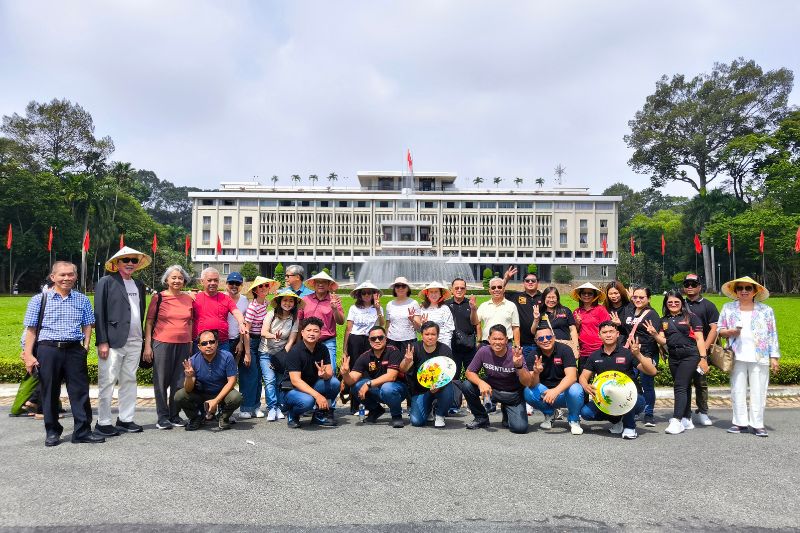
A reward trip leaves no room for visible logistics errors, so incentive programs in Vietnam are run by a local destination management company (DMC). The DMC handles five areas:
- VIP arrival and movement: airport fast-track, meet-and-greet, coach fleets sized to the group, private transfers, and yacht or seaplane legs where the program needs them.
- Hotels and venues: room blocks, ballroom and outdoor venue holds, and venue-side event requirements.
- Team activities: city treasure hunts in Hoi An, Hanoi or Ho Chi Minh City, beach olympics, dragon boat racing, cooking competitions, and CSR projects — each designed for the group's size and fitness.
- Gala and award production: themed staging, AV and lighting, MC and entertainment, award sequence and timing, from 50 to several thousand guests.
- Live control: daily reconfirmation with every supplier and a 24/7 on-site command during delivery, so a delayed flight or weather change does not reach the award night.
Incentive programs rarely fail because the reward is weak. They fail when a transfer delay or a compressed check-in erodes the first impression and the shared moments lose their timing.
For travel agencies and incentive houses, Dong DMC works as the white-label ground team: the program runs under the partner's brand — on signage, guide uniforms and documents — with one quote, one contract and one point of escalation. See Vietnam DMC.
3. Why It Matters
Incentive travel carries a different expectation from standard leisure group travel. The program is not only expected to run smoothly, but to feel rewarding, well-paced, and socially coherent.
In Vietnam, this depends on destination suitability, movement density, weather, hotel capacity, and the ability to maintain timing across shared moments such as welcome dinners, team experiences, gala nights, and departure transitions.
The decision is not only destination-based, but execution-based, where logistics, timing alignment, and coordination determine whether the incentive experience feels seamless or fragmented.
If airport arrivals are delayed → coach dispatch shifts → hotel check-in compresses → welcome program timing is reduced → first impression weakens.
4. How It Works
Vietnam incentive travel operates through a linked sequence of planning and delivery decisions:
- Destination fit: selecting the location based on reward objective, group profile, and pacing expectations
- Arrival management: grouping flights, handling transfers, and protecting first-day timing
- Hotel and venue coordination: aligning room readiness, gala set-up, dining flow, and event access
- Shared experience sequencing: building a program rhythm that preserves reward perception without overloading the schedule
- Live execution control: daily reconfirmation, supplier coordination, and adjustment under changing conditions
An incentive program is not a sequence of independent activities. It is a synchronized system where movement, timing, and shared experiences must align to create perceived reward value.
This coordination depends on how movement, event timing, and supplier sequencing are structured in practice. See how this is handled in Vietnam Incentive Travel Logistics.
Danang is the primary incentive base for Asian market groups in Central Vietnam — the most active incentive destination in the region for groups from Vietnam, Philippines, Indonesia, Taiwan, China, Korea, and Thailand. Two MICE venues serve different program tiers: Royal Lotus Convention Centre (co-located with Royal Lotus Hotel 4★, My Khe Beach zone, mid-tier and series programs) and Ariyana Convention Centre (managed by Furama Resort 5★, Non Nuoc Beach zone, up to 2,500 pax, premium gala production). 100% of Danang-based incentive groups visit Hoi An old town in the evening — the old town is the shared cultural program destination regardless of hotel zone. For Danang-specific incentive planning, see Danang Incentive Travel.
See execution logic in Vietnam DMC Operations.
5. Key Variables
Group size scaling
A 20–30 pax incentive group can often absorb moderate changes. A 100+ pax incentive program requires tighter venue timing, bus sequencing, and event discipline.
Destination type
Resort destinations support slower pacing and stronger reward perception. Urban destinations support dining, nightlife, and hosted social formats, but introduce more transport pressure.
Program density
The more elements added — welcome dinner, excursions, awards, gala, breakout events — the more fragile timing becomes.
Hotel and venue capability
Elevator capacity, ballroom access, breakfast flow, resort spread, and holding areas all influence how well a group can move without friction.
Each structure introduces different coordination requirements and execution risks that must be managed under real conditions.
These variables do not only affect feasibility. They directly influence budget structure, especially across hotels, event production, and movement control. See how these factors translate into pricing in Vietnam Incentive Travel Cost.
6. Planning a Vietnam Incentive Trip: Typical Program Structures
Resort-Led Reward Format
Best for recognition-first groups where relaxation, resort atmosphere, and one strong celebration night matter more than dense daily movement.
Business-Leisure Hybrid
Suitable for groups combining short sessions, hosted dinners, one destination experience, and a gala or award component.
Multi-Component Celebration Program
Designed for larger groups requiring multiple buses, venue access windows, coordinated staging, and tighter control over timing between program layers.
Program structure should be selected based on reward objective, coordination tolerance, and how much movement the group can absorb without weakening experience quality.
7. Key Destinations for Incentive Programs
Vietnam offers several strategic hubs for incentive travel, each suited to different reward objectives, group sizes, and program formats.
Da Nang & Hoi An
Beach resort + Ancient town + Team building
Stay: Furama-Ariyana Complex (largest MICE facility in Vietnam, 2,500 pax), Sheraton Grand Danang (1,000 pax ballroom, beachfront), Hyatt Regency Danang (600 pax), InterContinental Danang Sun Peninsula Resort (premium VIP retreat), Four Seasons Nam Hai (100 villas, ultra-luxury reward).
Incentive activities: Hoi An treasure hunt through the ancient town, lantern-making workshop, cooking class competition, beach Olympics on My Khe Beach, Hoi An cycling tour, dragon boat racing on Thu Bon River, bespoke ao dai fitting, championship golf at BRG Danang and Ba Na Hills, Thanh Ha Pottery Village team workshop (500-year-old village, 10 min from ancient town).
Gala options: Ariyana beachfront gala (up to 2,500), Sheraton poolside dinner, Hoi An lantern-lit riverside dinner, Nam Hai private beach event.
Best months: February–August. Avoid typhoon season Sep–Nov. Best for: Balanced resort-based incentives, 50–500 pax, beach + culture combination.
Phu Quoc Island
Premium island reward + Visa-free advantage
Stay: JW Marriott Phu Quoc Emerald Bay (Bill Bensley design, 600 pax ballroom + outdoor lawn), Regent Phu Quoc (all-pool suites, intimate luxury), Vinpearl Convention Center (1,500 pax). 30-day visa-free for all international arrivals — eliminates visa friction for mixed-nationality groups.
Incentive activities: Private island hopping by speedboat, sunset beach BBQ, snorkeling and kayaking, Vinpearl Safari, night squid fishing, beach team-building games, Vinpearl Golf (18 holes).
Gala options: JW Marriott beachfront gala, Regent sunset dinner, Vinpearl outdoor event lawn, private beach bonfire.
Best months: November–March (dry, calm seas). Best for: High-perceived-reward programs, relaxation-first, exclusive island retreats, 30–200 pax.
Ho Chi Minh City & Mekong Delta
Urban energy + Dining-led + Corporate hybrid
Stay: InterContinental Saigon (800 pax ballroom), Park Hyatt Saigon (250 pax, VIP executive), The Reverie Saigon (iconic luxury), New World Saigon (700 pax, group-scale). GEM Center (4,000 pax standing, premium gala venue).
Incentive activities: Private vespa/sidecar city tour, Cu Chi Tunnels with military historian guide, Mekong Delta farm-to-table day trip, Michelin dining circuit (5 one-star restaurants), rooftop cocktail experiences, Saigon River sunset cruise, street food walking tour.
Gala options: GEM Center themed gala (up to 4,000), Landmark 81 sky-high event, InterContinental grand ballroom, rooftop venues, Saigon River yacht dinner.
Best months: November–April (dry season). Indoor venues year-round. Best for: Business-leisure hybrid, urban dining-led programs, corporate-social formats, 30–500 pax.
Hanoi & Halong Bay
Heritage capital + Signature cruise experience
Stay: Sofitel Legend Metropole Hanoi (heritage icon, 250 pax ballroom), JW Marriott Hanoi (1,000 pax, conference-scale), InterContinental Westlake (over-water pavilions). Halong Bay & Lan Ha Bay luxury cruises: Paradise Cruises (anchor partner with its own pier and private island; several ships, including Paradise Legacy and Paradise Elegance, can be combined for large groups), Indochina Sails (Indochine and Indochina Premium), Paradise Grand and Indochine Cruise for Lan Ha Bay routing, Scarlet Pearl. Lan Ha Bay offers a quieter, less-crowded alternative with equally dramatic karst scenery.
Incentive activities: Old Quarter cyclo tour, water puppet show, Halong Bay luxury overnight cruise, kayaking through limestone karsts, private helicopter scenic flight over the karst landscape, private seaplane transfer (25 min via Hai Au Aviation), cooking class in Hanoi, Temple of Literature visit, craft village tour, Bat Trang Ceramics Village pottery workshop (est. 14th century, 30 min from Hanoi), Van Phuc Silk Village craft tour.
Gala options: Metropole courtyard dinner (heritage setting), JW Marriott grand ballroom, Paradise Cruises full-vessel charter (Halong Bay floating gala dinner), lakeside garden dinner.
Best months: October–April (cool, dry). Avoid May–August (hot, humid). Best for: Signature shared experiences, heritage-culture programs, cruise-led incentives, 20–200 pax.
Da Lat
Highland retreat + "City of Eternal Spring"
Stay: Ana Mandara Villas Dalat (French-colonial boutique, 17 villas), Dalat Palace Heritage Hotel (heritage luxury), Swiss-Belresort Tuyen Lam (lakeside, group-scale capacity). Domestic flights from HCMC (55 min) or Danang.
Incentive activities: Countryside cycling through flower farms and coffee plantations, canyoning at Datanla Falls, scenic trekking in pine forests, strawberry farm visit, wine tasting at Dalat wine estates, night market cultural walk.
Gala options: Dalat Palace garden dinner, lakeside BBQ at Tuyen Lam, private villa dinner party.
Best months: Year-round (temperate climate, 15–25°C). Best for: Mountain retreat, nature-based team building, scenic relaxation, photography, 20–100 pax.
Hue
Imperial heritage + Royal dining
Stay: Azerai La Residence (Art Deco, Perfume River views, 122 rooms), Pilgrimage Village (eco-boutique, spa), Banyan Tree Lang Co (30 min from Hue, beachfront luxury with golf).
Incentive activities: Imperial Citadel with private historian guide, dragon boat cruise on the Perfume River, royal cuisine dinner in imperial setting, Thanh Toan bridge cycling, artisan craft village, traditional music performance.
Gala options: Royal dinner in heritage setting (costumed servers, imperial cuisine), La Residence riverside dinner, garden event at Pilgrimage Village.
Best months: February–May. Avoid Sep–Nov (rain). Best for: Heritage-focused reward, cultural immersion, intimate groups, 20–100 pax. Often combined with Da Nang/Hoi An.
Sapa is the primary highland incentive destination in North Vietnam — suited to programs seeking a genuinely differentiated experience from the coastal resort format. Approximately 60% of Dong DMC's North Vietnam groups are incentive programs, with 1–5 chartered buses operating Hanoi–Sapa regularly. Town center properties (Bora Hotel, BB Hotel, Delasol, Bamboo, Pistachio, Green Forest) suit Asian market incentive groups with walkable night access. The 2026 Condé Nast Traveller recognition gives incentive buyers a validated rationale to present to corporate clients. For Sapa-specific incentive planning, see Sapa Incentive Travel.
For regional routing logic and how destinations connect operationally, see Vietnam Location DMC. For movement and transfer planning between destinations, see Incentive Logistics.
Incentive Activities & Team Building
Vietnam offers a wide range of bookable incentive activities across team building, cultural immersion, adventure, and celebration formats. All activities below are available as net-rated modules through Dong DMC.
| Category | Activities | Best destinations |
|---|---|---|
| Team building — outdoor | Beach Olympics, dragon boat racing, raft building, beach volleyball tournament, Amazing Race-style city challenge, obstacle course | Da Nang, Phu Quoc, Nha Trang |
| Team building — cultural | Hoi An treasure hunt through ancient town, cooking class competition, lantern-making workshop, bespoke ao dai fitting contest, Vietnamese calligraphy, rice paddy planting, Thanh Ha Pottery Village workshop (Hoi An), Bat Trang Ceramics Village workshop (Hanoi) | Hoi An, Hanoi, Hue |
| CSR & community | Village school renovation project, community garden planting, local family home visit, charity bike build, eco beach cleanup, orphanage visit | Hoi An, Mekong Delta, Sapa |
| Adventure | Motorbike or vintage sidecar countryside tours, private helicopter scenic flights, Lan Ha Bay cruise (quieter alternative to Halong Bay), Cu Chi Tunnels + Mekong Delta speedboat combo | HCMC, Hanoi, Halong/Lan Ha Bay, Da Nang countryside |
| Cultural immersion | Cyclo tour through Old Quarter, water puppet show, dragon boat on Perfume River, royal cuisine dinner in Hue, private temple visit, traditional music performance, Mekong Delta floating market | Hanoi, Hue, Mekong Delta |
| Culinary | Michelin dining circuit, street food walking tour, private vespa food tour, cooking class with local chef, farm-to-table experience, coffee workshop | Hanoi, HCMC, Hoi An, Da Lat |
| Wellness & relaxation | Group spa session, sunrise yoga, beach meditation, thermal spring bathing, wellness screening | Da Nang, Phu Quoc, Nha Trang, Da Lat |
| Golf | Championship tournament format, corporate golf day, golf + gala combination, multi-course circuit | Da Nang (BRG, Ba Na Hills), HCMC (The Bluffs), Phu Quoc (Vinpearl) |
Ops note: All activities are bookable as modular components — agents can mix and match within any program format. Dong DMC provides activity briefing sheets with group size limits, lead times, weather dependencies, and pricing tiers. For luxury-tier activities, see Vietnam Luxury Travel. For culinary modules, see Culinary & Wellness.
Gala Dinner & Celebration Formats
The gala or celebration night is typically the emotional peak of an incentive program. Vietnam offers diverse gala settings that go beyond standard hotel ballrooms.
| Format | Setting & venue examples | Capacity | Best for |
|---|---|---|---|
| Beachfront gala | Sheraton Grand Danang beach lawn, JW Marriott Phu Quoc outdoor terrace, Nam Hai private beach | 100–1,000 | Resort-based incentives, sunset timing, relaxed premium atmosphere |
| Rooftop / skyline gala | Landmark 81 event spaces (HCMC), rooftop venues District 1, InterContinental Saigon terrace | 50–500 | Urban incentives, cocktail-first format, city views as backdrop |
| Heritage-setting gala | Sofitel Metropole courtyard (Hanoi), Hue imperial-style dinner, Hoi An riverside lantern dinner | 50–300 | Cultural incentives, story-led evenings, colonial or imperial theme |
| Cruise gala | Paradise Cruises Halong Bay (full-vessel charter; several ships combined for large groups), Indochine Cruise, Saigon River sunset yacht (Saigon Princess, Rever Event up to 800 pax) | 20–800 | Signature shared experience, sunset/starlight, exclusive-access feel |
| Countryside / outdoor gala | Hoi An rice-field dinner (lantern-lit), Da Lat vineyard dinner, Mekong riverside BBQ | 30–200 | Surprise-element, unique setting, Instagram-worthy, cultural contrast |
| Convention-scale gala | GEM Center HCMC (4,000 standing), Ariyana Da Nang (2,500), Vinpearl Phu Quoc (1,500), National Convention Center Hanoi (3,500) | 500–4,000 | Large-scale corporate events, award ceremonies, product launches |
Production capabilities: Dong DMC coordinates full gala production including stage design, LED screens, lighting, sound, live entertainment (traditional music, contemporary bands, Apsara dance, fire show), themed décor, branded signage, MC services, and simultaneous interpretation. Production specs and run-of-show templates are provided during the planning phase.
Ops note: Weather-fallback planning is required for all outdoor gala formats. Dong DMC includes a committed indoor backup venue and pre-agreed decision trigger time (typically 4 hours before event) in every outdoor gala proposal. For venue capacity details, see Vietnam MICE & Corporate Events.
The Wow Factor: How Recognition Moments Are Designed
A well-organized incentive program is not the same as a memorable one. The difference is the wow factor — surprise elements that create the emotional peak participants remember, talk about, and share long after the trip ends.
At Dong DMC, the wow factor is not a paid add-on. It is built into how we design every incentive program. We believe that if the group doesn't experience at least one genuine moment of surprise and delight, the program has underdelivered — regardless of how smoothly it ran.
What makes a wow moment work
Contrast. The wow moment works best when it breaks the expected rhythm. A group that has been on a beach all day doesn't expect to arrive at a lantern-lit rice field for dinner. A team that has been in meetings doesn't expect a helicopter transfer to a rooftop cocktail. The surprise comes from the gap between expectation and reality.
Timing. Wow moments are placed at emotional inflection points — not randomly scattered. The three strongest positions: arrival (first impression sets the tone), the gala peak (the centerpiece everyone remembers), and departure (the last feeling they carry home). One well-placed wow moment outperforms three average surprises.
Personalization. The strongest wow moments feel designed for this group, not for any group. A company logo projected on a cliff face. A personalized video montage at the gala. Each participant's name on a handcrafted lantern. The signal is: "we did this specifically for you."
Invisible execution. The moment the group sees the setup crew, the magic breaks. Wow moments require advance staging, hidden preparation, and precise timing — the reveal must feel effortless. This is where DMC execution capability matters most.
Wow factor examples by program moment
| Program moment | Standard execution | With wow factor |
|---|---|---|
| Airport arrival | Guide with sign at airport exit | Traditional drum welcome at airport, flower garland, cold towel + iced coconut in private lounge before transfer |
| Hotel check-in | Group check-in at front desk | Pre-keyed room cards, welcome drink at beachside setup, personalized room amenity with handwritten note from CEO |
| Welcome dinner | Buffet dinner at hotel restaurant | Surprise venue reveal — blindfolded transfer to a lantern-lit garden, live traditional music as blindfolds are removed |
| Day excursion | Cu Chi Tunnels visit with guide | Cu Chi Tunnels with military historian → surprise Mekong Delta speedboat transfer → private riverside lunch at hidden location |
| Transport between cities | Domestic flight or coach transfer | Private helicopter transfer over Halong Bay karsts or coastline — the transit itself becomes the highlight |
| Cultural workshop | Group cooking class at hotel | Private cooking session with a named local chef (e.g., celebrity chef or market specialist), starting with a guided market tour selecting ingredients together |
| Team building | Beach games with facilitator | Same games, but the winning team's prize is revealed as a surprise helicopter ride over the coastline |
| Gala dinner — entrance | Walk into ballroom | Red carpet with paparazzi-style photographers, smoke machines, spotlight entrance with personal name announcements |
| Gala dinner — peak | Awards ceremony at podium | Company logo projected on cliff face / building facade visible through venue windows, synchronized with award announcement |
| Gala dinner — closing | MC closing speech | Surprise sky lantern release (where permitted), or a farewell performance by local artists |
| Free day | Pool and beach at leisure | Surprise pop-up activity: a local artisan market set up exclusively for the group, or unexpected sunset yacht cruise invitation |
| Departure | Coach to airport | Personalized photo book (printed overnight from trip photos) handed at breakfast, farewell performance by hotel staff |
Why Dong DMC includes this at no extra charge
We don't charge separately for wow-factor design because we consider it essential — not optional. An incentive program that runs smoothly but creates no surprise moments is operationally successful but emotionally flat. The entire purpose of incentive travel is to create experiences that feel extraordinary. If we have to charge extra to make it feel extraordinary, we've misunderstood the assignment.
What this means in practice: our program design phase includes wow-moment planning as a standard step. When we present a program proposal, it includes at least one designed surprise element with staging plan, timing logic, and backup option. The cost of wow elements (décor, entertainment, logistics) is built into the per-person rate — not itemized as "special services."
Ops note: Wow moments require 30-day advance coordination. Sky lantern releases depend on local permission and are confirmed case by case. Weather-dependent wow moments always have an indoor/alternative version pre-planned.
8. Execution Risk in Incentive Programs
Incentive programs fail when recognition moments are disrupted by timing gaps, coordination issues, or overloaded schedules.
Delays in transfers, misaligned event timing, weak supplier coordination, or under-designed rooming flow can break the emotional continuity of the program.
In these cases, the program continues, but the perceived value of the reward is reduced.
This is especially critical in group formats, where shared experiences must happen with synchronized timing to preserve program impact.
For execution structure, see Vietnam Group Travel.
For incentive-specific disruption patterns and how key moments are protected, see Vietnam Incentive Travel Risk.
For breakdown patterns, see Vietnam Travel Failures.
Incentive Planning Timeline & Seasonality
Planning timeline
| Group size | Recommended lead time | Key actions |
|---|---|---|
| 200+ pax | 12–18 months | Destination selection, venue holds, hotel room block, flight group booking, gala venue contract |
| 100–200 pax | 8–12 months | DMC engagement, program design, supplier lock, AV/staging engagement |
| 50–100 pax | 4–8 months | Detailed program build, activity booking, gala production, transport mapping |
| Under 50 pax | 3–6 months | Streamlined planning, flexible supplier selection, combined quote |
Fast-track option: For programs with compressed timelines (under 4 months), Dong DMC operates an accelerated planning track with priority venue holds and dedicated ops coordinator. Quote turnaround under 60 minutes.
Best time by region
| Region | Best months | Avoid | Notes |
|---|---|---|---|
| Northern Vietnam (Hanoi, Halong Bay) | October–April | May–August (hot, humid) | Sep–Nov and Mar–Apr optimal for mild weather. Tet holiday (Jan/Feb) = limited availability. |
| Central Vietnam (Da Nang, Hoi An, Hue) | February–August | September–November (typhoon) | Peak beach weather. Ariyana operates indoor events year-round. |
| Southern Vietnam (HCMC, Mekong Delta) | November–April | May–October (afternoon rain) | HCMC indoor venues unaffected by rain. Outdoor galas best Nov–Mar. |
| Phu Quoc | November–March | July–September (monsoon) | 30-day visa-free. Book JW Marriott/Regent early for peak season. |
| Da Lat | Year-round | — | Temperate 15–25°C year-round. Light rain Jun–Oct but manageable. |
Planning tips
Engage a local DMC early: A specialized destination management company (Dong DMC) handles venue sourcing, supplier coordination, permits, visa logistics, and on-ground execution — reducing planner risk and coordination burden.
Balance activity and free time: Programs that schedule every hour undermine the reward feel. Build in at least one half-day of unstructured time (pool, spa, shopping) to preserve the "earned reward" perception.
Focus on all-inclusive packages: The strongest incentive proposals include transport, accommodation, activities, dining, gala, and gratuities in a single per-person rate — eliminating surprise costs and simplifying client approval.
Secure top-tier accommodation early: Properties like JW Marriott Phu Quoc, Sheraton Grand Danang, and Sofitel Metropole Hanoi fill group blocks 6–12 months out during peak season (Oct–Apr). Early holds are essential.
9. How to Evaluate a Vietnam Incentive Program
Test 1: Does the destination fit the reward objective?
If destination choice is based only on image → high probability of poor rhythm fit → weaker reward perception.
Test 2: Are arrival and rooming assumptions explicit?
If arrival timing and room release are not clearly managed → high probability of welcome-phase disruption → weaker first impression.
Test 3: Is gala timing protected?
If gala flow is overloaded with transport pressure or late arrivals → high probability of reduced impact → recognition value weakens.
Test 4: Is the schedule absorbable?
If too many elements are packed into one day → high probability of fatigue → the program feels managed, not rewarding.
The effectiveness of an incentive program is not determined by what is included, but by whether those elements can function together under real execution conditions.
For evaluation logic, see How to Choose a Vietnam DMC.
10. Cost, Value, and Execution Trade-Off
Incentive travel pricing is not only a matter of service level. It also reflects coordination depth, timing protection, venue readiness, and how much operational risk is absorbed before the group travels.
Lower-cost programs often reduce invisible control layers such as arrival buffering, backup transport logic, flexible holding arrangements, or event staging resilience.
These trade-offs are best evaluated together with logistics feasibility and risk exposure:
Incentive Planning Modules
Each module below explains how a specific dimension of incentive travel works under real execution conditions. Use these pages to build proposals, match components to client briefs, and understand operational dependencies before confirmation.
📍 Incentive Destinations & Venues
6 destinations compared: Da Nang (Ariyana 2,500 pax), Phu Quoc (30-day visa-free), HCMC (GEM Center 4,000), Hanoi/Halong, Da Lat, Hue. Named venues, capacity, hotels, seasonality.
View destinations & venues →🏆 Incentive Experiences & Team Building
40+ bookable activities: Beach Olympics, Hoi An treasure hunt, cooking class, dragon boat racing, CSR projects, Michelin dining, golf. Group sizes and lead times.
View experiences & team building →🎉 Incentive Gala & Event Production
6 gala formats: beachfront, rooftop, heritage, cruise, countryside, convention-scale. Full production specs, entertainment, themed décor, run-of-show template.
View gala & production →📋 Incentive Planning Guide
Timeline by group size (3–18 months), budget tiers ($120–$500+), seasonality by region, sample programs, planning tips, and common mistakes to avoid.
View planning guide →🚌 Incentive Travel Logistics
How movement, event timing, arrival waves, coach dispatch, and supplier sequencing are structured for incentive programs.
View logistics →💰 Incentive Travel Cost
What drives budget: hotel class, gala production, transport complexity, activity density, and peak-season premiums. Per-person pricing tiers.
View cost structure →⚠️ Incentive Travel Risk
How disruption is anticipated and key moments are protected — weather fallback, arrival delays, gala timing protection, supplier contingency.
View risk management →Incentive Programs by Segment
Specialised incentive formats for specific client needs, delivered to the same operational standard as every Dong DMC program.
🕌 Halal Incentive Travel
Muslim-friendly reward programs — halal-certified catering, prayer logistics, alcohol-free galas, female guides, Ramadan-aware scheduling. For Malaysia, Indonesia, Brunei, and GCC groups.
View halal incentive →👑 Luxury Incentive Travel
Premium reward programs for executive and top-performer groups — ultra-premium resorts, Michelin dining, seaplane and yacht VIP movement, bespoke wow moments.
View luxury incentive →11. Incentive Program Collection
The following program directions show how Vietnam incentive travel planning is applied in practice, where destination fit, gala structure, and group movement are translated into real program formats.
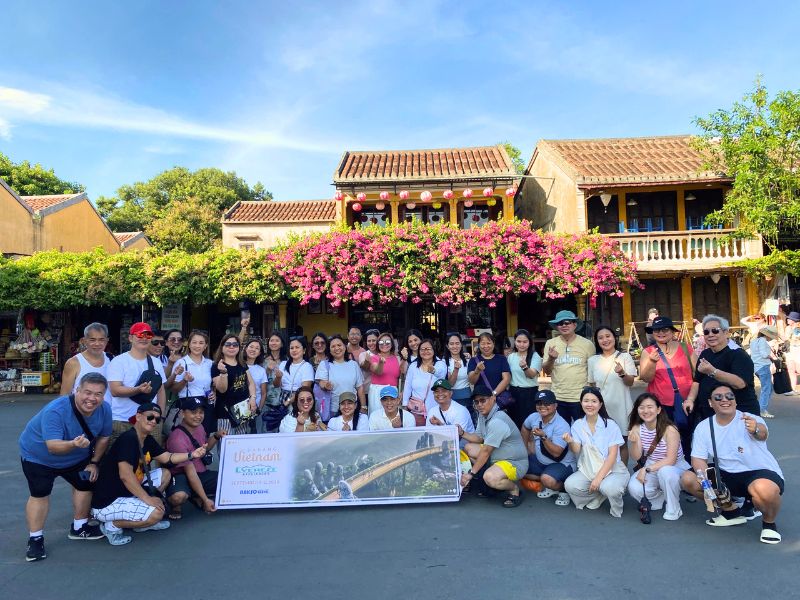
Danang & Hoi An Incentive Format
Beach resort • Gala dinner • Shared group experiences
Suitable for balanced incentive groups seeking leisure value, celebration atmosphere, and compact routing with stable operational flow.
View incentive examples →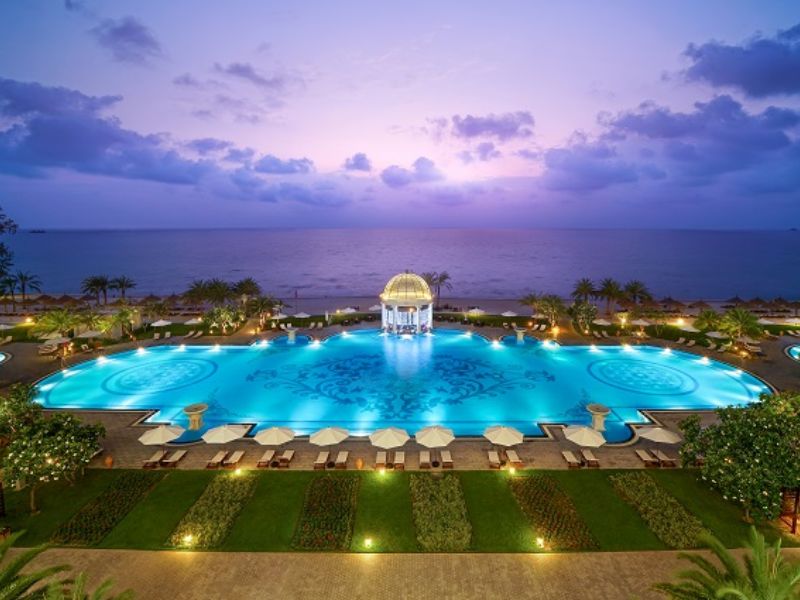
Phu Quoc Reward Program
Resort-led • High perceived reward value • Relaxed pacing
Best for recognition-focused groups where exclusivity, resort atmosphere, and reward perception matter more than dense scheduling.
View incentive examples →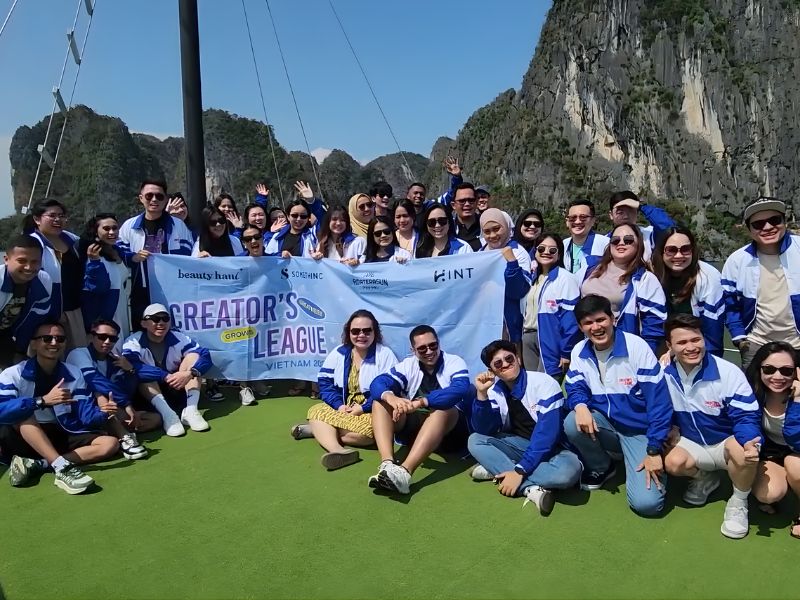
Halong Premium Incentive Format
Cruise-led • Signature memory value • Premium highlight
Often used when one strong shared experience is more important than high event density across multiple program components.
View incentive examples →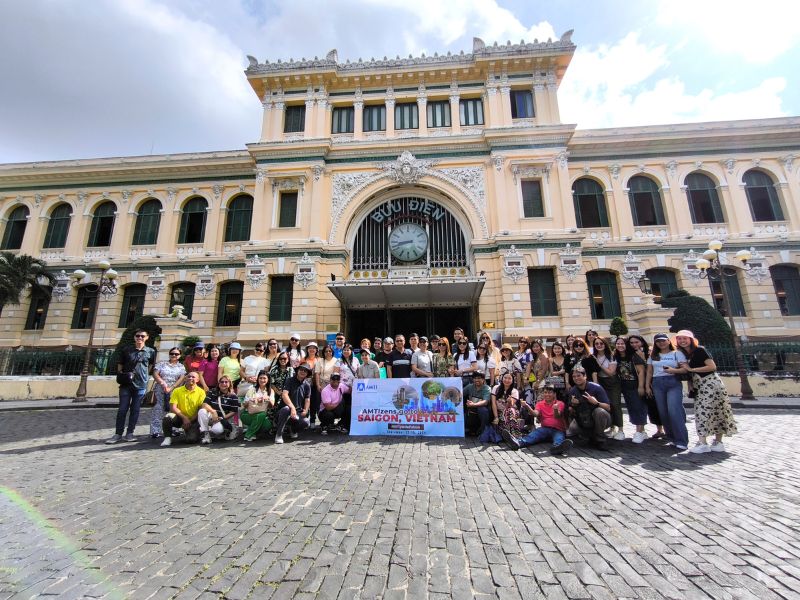
Ho Chi Minh City Incentive Format
Urban program • Dining-led evenings • Corporate rhythm
Suitable for business-leisure mixes, hosted dinners, executive groups, and city-based incentive structures with stronger social flow.
View incentive examples →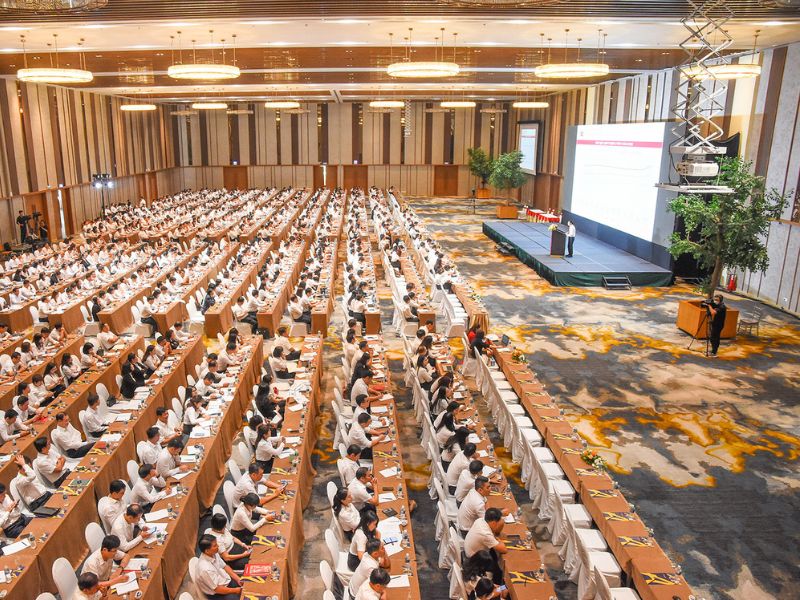
Multi-Component Incentive Program
Recognition • Light business sessions • Celebration night
Designed for groups combining reward value, structured sessions, selected excursions, and one major gala or closing event.
View incentive examples →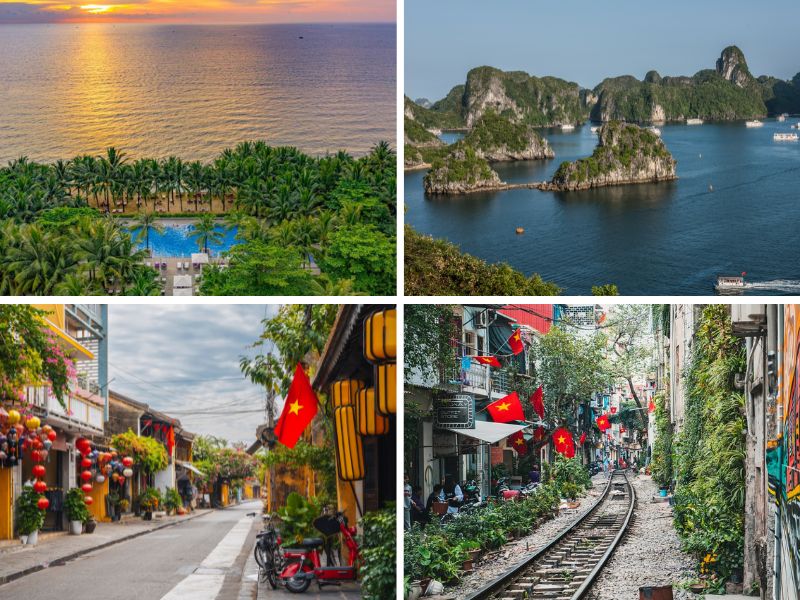
Full Incentive Tour Collection
Destination comparison • Structure examples • Program direction
Browse the wider incentive collection to compare destination fit, duration logic, and reward program structure under different planning scenarios.
Browse incentive collectionOnce the planning logic is clear, these itinerary examples help translate destination fit, gala structure, and group movement into real incentive program directions. See the Vietnam Incentive Tour Collection.
Market-specific support
Working with travel agencies in a specific market?
Each desk addresses the operational questions, meal handling, visa logistics, and program preferences specific to that market.




Working with partners in Indonesia, Greater China, Germany, France, Italy, or Spain? The language switcher (flags, top right) opens localized content for these markets.
FAQ
What is Vietnam incentive travel?
Vietnam incentive travel is reward-based corporate group travel to Vietnam, designed to recognize employee performance, motivate sales teams, and reward channel partners. Vietnam incentive programs typically run 4–7 nights and combine luxury accommodation, structured team-building activities, gala dinner production, and signature cultural experiences. Top destinations include Da Nang and Hoi An, Phu Quoc Island (30-day visa-free), Ho Chi Minh City and the Mekong Delta, Hanoi and Halong Bay, Da Lat, and Hue. Vietnam delivers 5-star incentive programs at 25–40% lower cost than Singapore, Bangkok, or Bali.
What are the best destinations for incentive travel in Vietnam?
Da Nang & Hoi An for beach resort + team building + gala (Ariyana 2,500 pax, Sheraton 1,000 pax). Phu Quoc for island reward programs with 30-day visa-free entry (JW Marriott, Regent). Ho Chi Minh City for urban dining-led and corporate hybrid formats (GEM Center 4,000 pax). Hanoi & Halong Bay for heritage culture + signature cruise experiences (Paradise Cruises, Indochina Sails). Da Lat for highland retreats and nature-based team building.
What team building activities are available in Vietnam?
Beach Olympics, dragon boat racing, Hoi An treasure hunt, cooking class competition, lantern-making workshop, Amazing Race-style city challenge, countryside cycling, CSR village projects, kayaking, and golf tournaments. All available as modular components bookable at net rates.
Vietnam incentive travel cost breakdown: how much per person per day?
Standard: $120–$180/person/day (4-star hotels, group dining every meal has a story behind, coach, guided activities). Premium: $200–$320 (5-star resorts, themed gala, private transfers, curated experiences). Executive: $350–$500+ (luxury resorts, custom production, VIP movement, private yacht/seaplane). Vietnam is typically 25–40% lower than Singapore or Bangkok for comparable quality.
What is the best time for incentive programs in Vietnam?
Northern Vietnam: October–April. Central Vietnam (Da Nang, Hoi An): February–August. Southern Vietnam & Phu Quoc: November–April. Da Lat is suitable year-round. Indoor venues in HCMC operate effectively in all seasons. Avoid Central Vietnam's typhoon season (Sep–Nov) and Tet holiday (Jan/Feb).
How far in advance should I plan a Vietnam incentive program?
200+ pax: 12–18 months. 100–200 pax: 8–12 months. 50–100 pax: 4–8 months. Under 50 pax: 3–6 months. Fast-track planning under 4 months is available with Dong DMC. Top properties fill group blocks 6–12 months out during peak season.
What gala dinner options are available for incentive groups?
Beachfront gala (Da Nang, Phu Quoc — up to 1,000 pax), rooftop skyline events (HCMC Landmark 81), heritage courtyard dinner (Hanoi Metropole, Hue imperial), on-board cruise dinner (Halong Bay on a Paradise Cruises full-vessel charter), countryside rice-field dinner (Hoi An — lantern-lit), and convention-scale gala (GEM Center HCMC 4,000 pax, Ariyana Da Nang 2,500 pax, NCC Hanoi 3,500 pax).
Why choose Vietnam over other incentive destinations in Asia?
Vietnam provides exceptional value: 25–40% lower cost than Singapore or Bangkok, unique cultural depth (UNESCO sites, Michelin dining, imperial heritage), geographic diversity (beach, mountain, island, city in one trip), 30-day visa-free for Phu Quoc, strong hospitality infrastructure (21 Michelin Key hotels), and safety. The country rewards exploration — it feels earned, not generic.
What does a typical 4–5 night Vietnam incentive itinerary look like?
Da Nang / Hoi An (4–5 nights): Day 1: arrive Da Nang → Sheraton/Hyatt check-in → beachfront welcome cocktail. Day 2: morning free (pool/spa) → PM Hoi An treasure hunt → lantern-lit riverside dinner (wow moment). Day 3: AM beach Olympics or golf → PM free → evening gala with awards at Ariyana or beach venue. Day 4: AM cooking class with local chef → PM shopping in Hoi An → farewell dinner. Day 5: departure.
North Vietnam (5–6 nights): Day 1: arrive Hanoi → Metropole check-in → Old Quarter street food tour. Day 2: AM cultural program → PM cooking class → evening water puppets. Day 3: transfer to Halong/Lan Ha Bay → luxury cruise embarkation (Paradise, Indochina Sails, or a Paradise full charter) → sunset cocktail on deck (wow moment). Day 4: AM kayaking → return Hanoi → evening free. Day 5: AM team building → PM free → farewell gala. Day 6: departure.
Southern Vietnam (4 nights): Day 1: arrive HCMC → Reverie/InterContinental → rooftop welcome. Day 2: AM Cu Chi Tunnels → surprise Mekong speedboat transfer → riverside lunch (wow moment) → PM free. Day 3: AM vespa city tour or Amazing Race → PM free → GEM Center gala with awards. Day 4: optional Phu Quoc extension or departure.
What makes Vietnam's "wow factor" different from other incentive destinations?
Vietnam delivers exclusive, high-perceived-value experiences that are difficult or impossible to replicate elsewhere: chartering a private junk for an overnight Halong Bay cruise, hosting a gala in a lantern-lit ancient town (Hoi An, 2,000+ years old), taking a private helicopter over dramatic karst landscapes, exploring the world's largest cave (Son Doong, Phong Nha), or dining inside a 19th-century imperial citadel with costumed royal attendants. These are not generic hotel experiences — they are destination-specific moments that feel extraordinary. And at 25–40% lower cost than Singapore or Bangkok, the perceived value per dollar is exceptionally high. Dong DMC includes wow-moment design as standard in every incentive proposal — not as a paid add-on.
Does Dong DMC operate as white-label for incentive agencies?
Yes. Dong DMC operates behind the scenes with branded documentation (your logo, your brand at every touchpoint). B2B net rates — agents control their own selling price and margin. Single ops coordinator from planning through post-event reporting. 50–70 group programs a month across 20+ source markets.
How do I plan a Vietnam incentive trip?
Start from group size and timing. A Vietnam incentive trip typically runs 4–7 nights; plan 12–18 months ahead for 200+ pax, 8–12 months for 100–200 pax, 4–8 months for 50–100 pax and 3–6 months under 50 pax. Match the region to the season — the north from October to April, the central coast from February to August, the south and Phu Quoc from November to April — and budget US$120–180 per person per day for a standard 4-star program, US$200–320 for premium and US$350–500+ for executive programs.
Is Da Nang a good base for a Vietnam incentive?
Yes. Da Nang combines beach resorts, team building and gala venues: Ariyana Convention Centre seats 2,500 pax and Sheraton Grand 1,000 pax, with Hoi An's lantern-lit old town 30–45 minutes away for evening programs. Asian incentive groups usually base in Da Nang; the best window is February to August, avoiding the September–November typhoon season.