
 ID
ID IT
IT DE
DE ZH
ZH ES
ES FR
FRVietnam DMC by City: Hanoi, Da Nang, Saigon and More
A practical reference for travel professionals comparing destination-level DMC support across Hanoi, Sapa, Halong Bay, Danang, Hue, Ho Chi Minh City, the Mekong Delta, Phu Quoc, Nha Trang, and Hoi An. This guide explains how local operating logic shapes routing, hotel fit, transfer realism, program structure, and decision confidence in Vietnam.
One Vietnam DMC, city by city
Dong DMC runs group, incentive, MICE and luxury programs for travel agencies and tour operators across ten Vietnamese destinations, from Hanoi, Halong Bay and Sapa in the north, through Hue, Da Nang, Hoi An and Nha Trang in the centre, to Saigon (Ho Chi Minh City), the Mekong Delta and Phu Quoc in the south. Programs are quoted at B2B net rates on one contract and delivered under the agency's brand.
Destination-level operating logic often determines whether a program feels smooth, realistic, and well-matched to traveler expectations.
Compare key destinations in Vietnam by planning fit, operational strengths, routing role, and common combinations.
Travel agencies, tour operators, MICE planners, luxury travel designers, and partners evaluating destination-specific support in Vietnam.
What a location DMC means in Vietnam
Vietnam program planning often depends on more than country-level coordination. Destination-level handling can shape airport flow, hotel suitability, coach routing, event timing, cruise alignment, and extension logic. In practice, many travel decisions are not about Vietnam in general, but about whether a specific destination can support the intended program smoothly.
That is why location-specific DMC pages matter. They help travel professionals understand where a destination works well, what operational realities should be considered, and how different parts of Vietnam fit together within a wider itinerary.
This guide helps clarify
- Which destinations fit incentive, luxury, group, or corporate travel best
- How routing logic differs between North, Central, and South Vietnam
- Why some destinations work as gateways while others work as extensions
- How local operating conditions affect decision confidence
- Which destination combinations are most commonly structured together
Why destination-level planning matters
Destination choice influences more than scenery. It often determines timing realism, movement complexity, event feasibility, and how confidently a partner can move forward with the proposed program.
Routing realism
Travel time, traffic, embarkation schedules, and airport proximity shape whether a destination fits the intended pace.
Program suitability
Some destinations are stronger for incentive travel, some for culture, some for cruise extensions, and others for corporate movement.
Hotel and venue fit
Group size, property style, gala feasibility, and airport-to-hotel flow vary significantly by destination.
Decision confidence
Partners usually need clarity on local feasibility before they can move forward with confidence.
Vietnam destination DMC comparison
This overview helps travel professionals compare how each destination typically functions within Vietnam program planning.
| Destination | Best Suited For | Typical Role | Operational Strength | Main Watchout | Common Combinations |
|---|---|---|---|---|---|
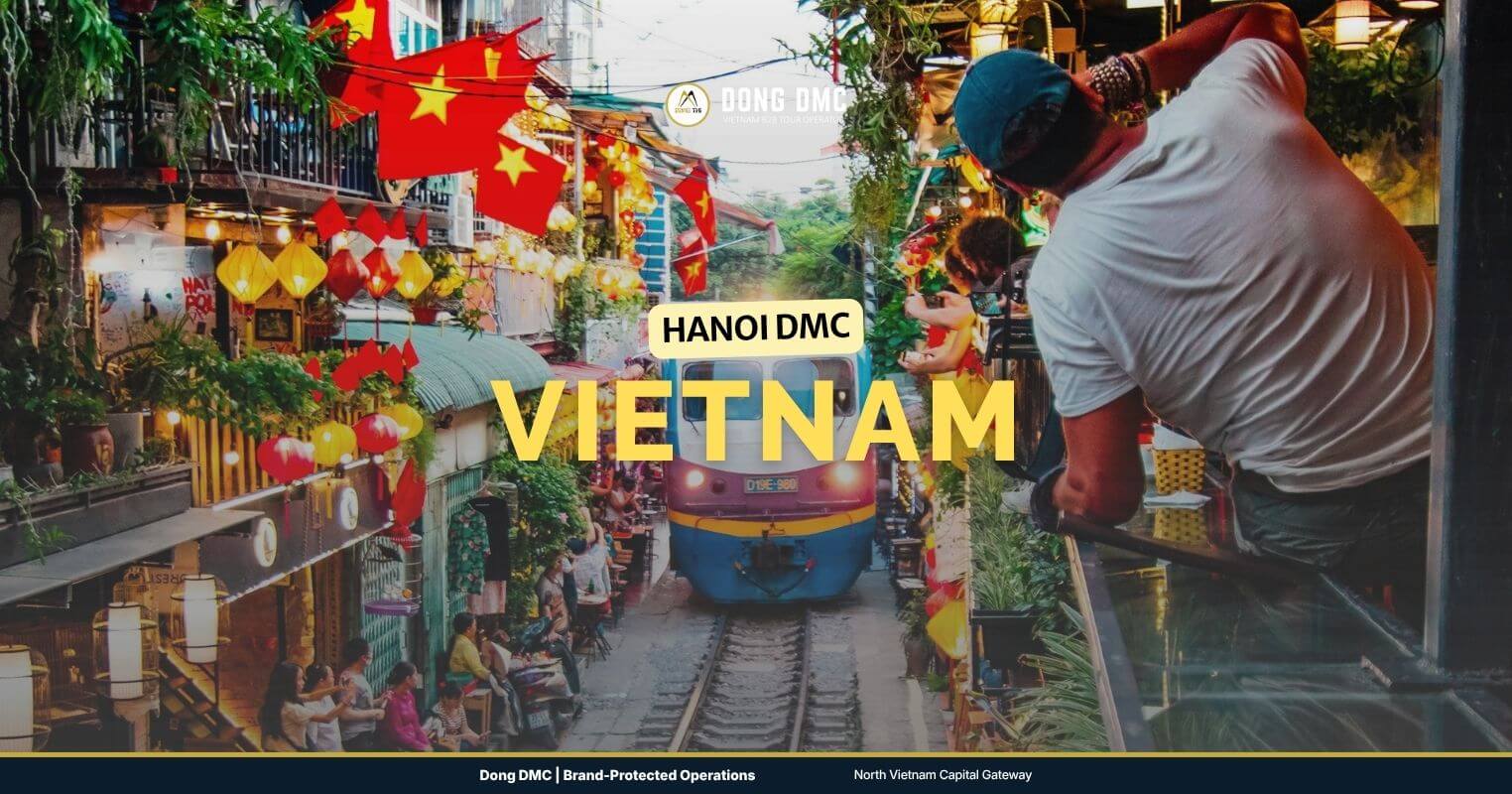
| Hanoi DMC | Groups, culture, MICE, educational travel | North Vietnam gateway | Strong city base for extensions and meetings | Urban pacing and traffic realism | Halong Bay, Ninh Binh, Sapa |
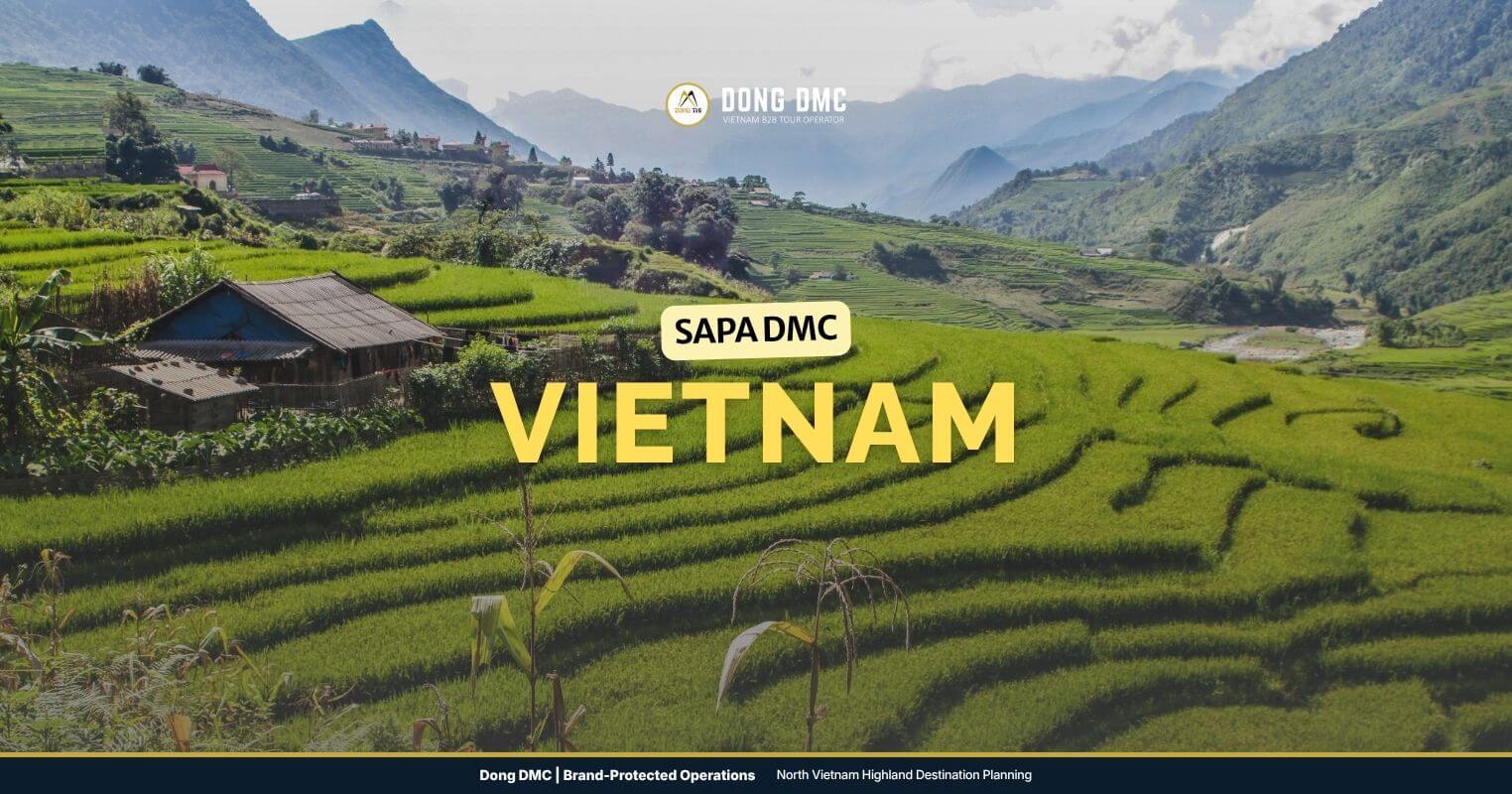
| Sapa DMC | Incentive groups, adventure luxury, cultural immersion, FIT | North Vietnam primary highland destination | Vietnam's #2 most-requested destination; 60% of North Vietnam groups route Hanoi → Sapa direct; ethnic minority village access; Condé Nast 2026 recognition | No large coaches in town; no direct flight; transfer mode must match program type; hotel allotments tight in autumn | Hanoi, Halong Bay |
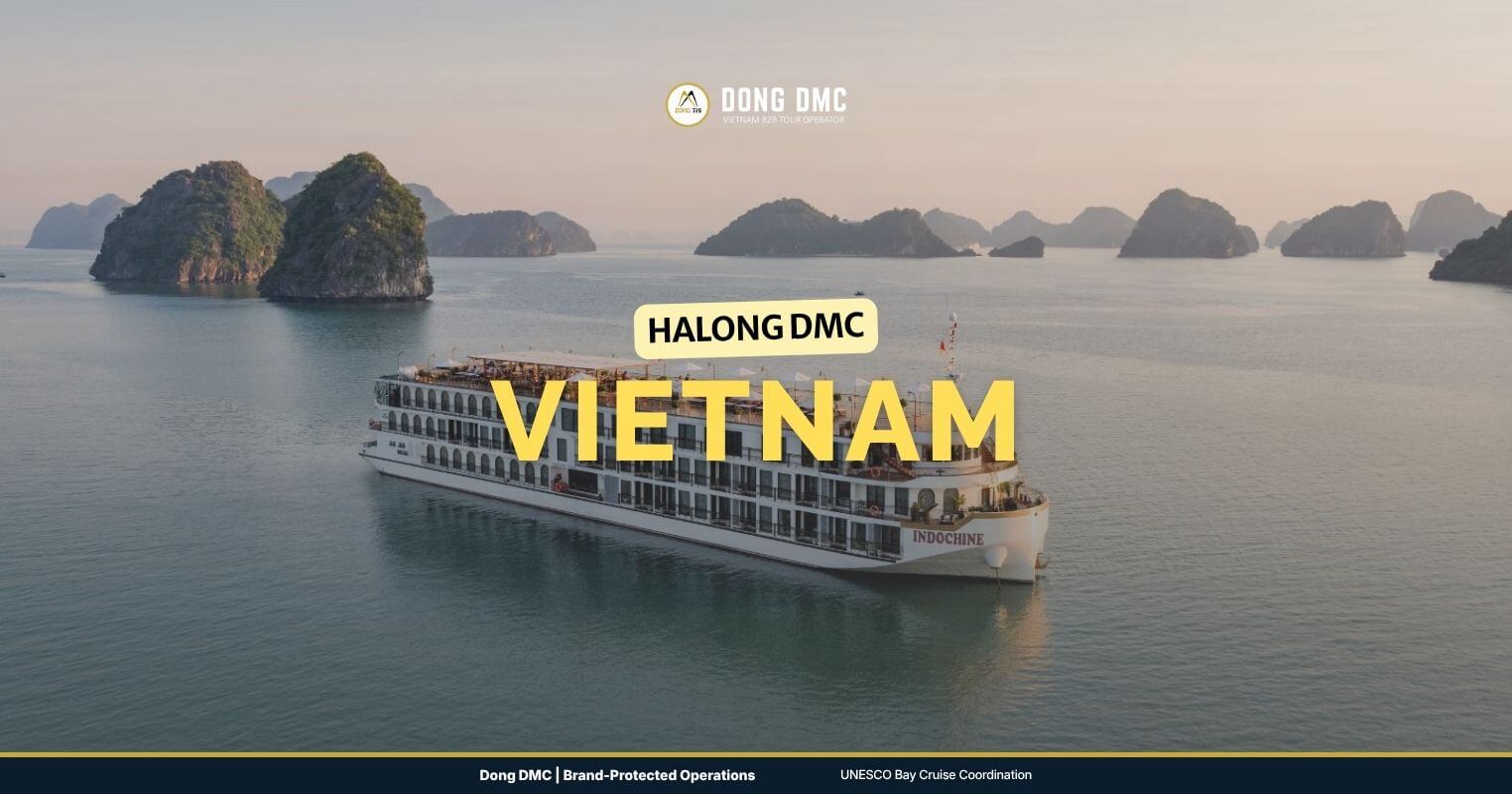
| Halong DMC | Cruise-linked travel, luxury, premium extensions | North Vietnam extension | Iconic overnight and scenic cruise experience | Transfer timing and weather variation | Hanoi, Ninh Binh, Sapa |
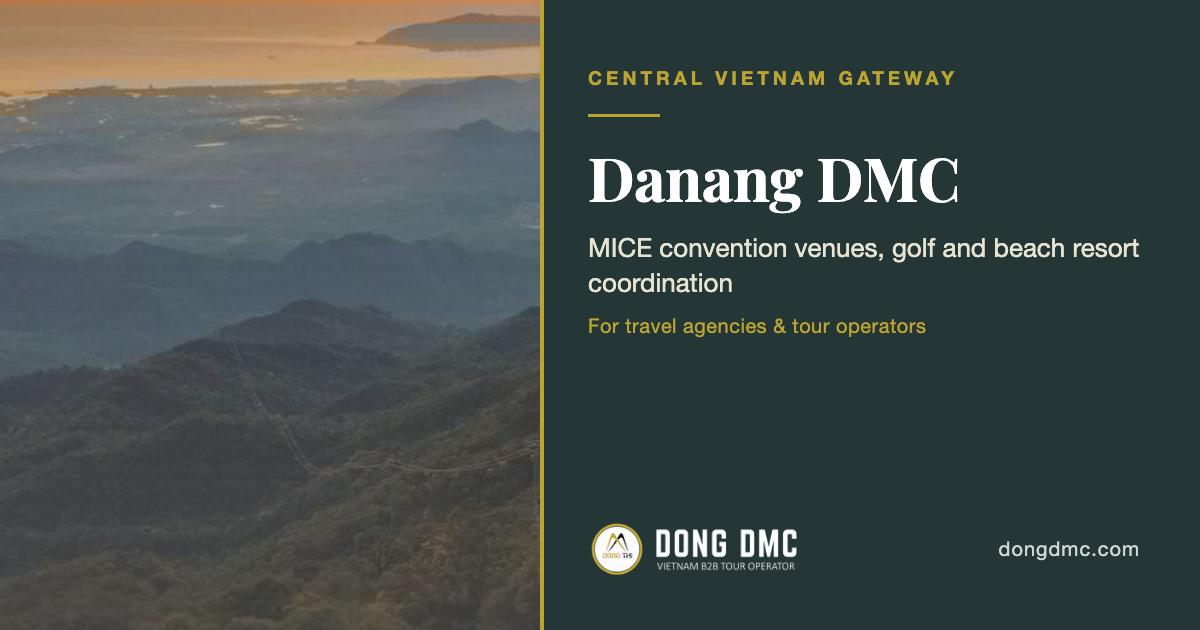
| Danang DMC | Incentives, leisure groups, golf, resorts | Central Vietnam gateway | Airport convenience and resort concentration | Peak season hotel pressure | Hoi An, Hue |
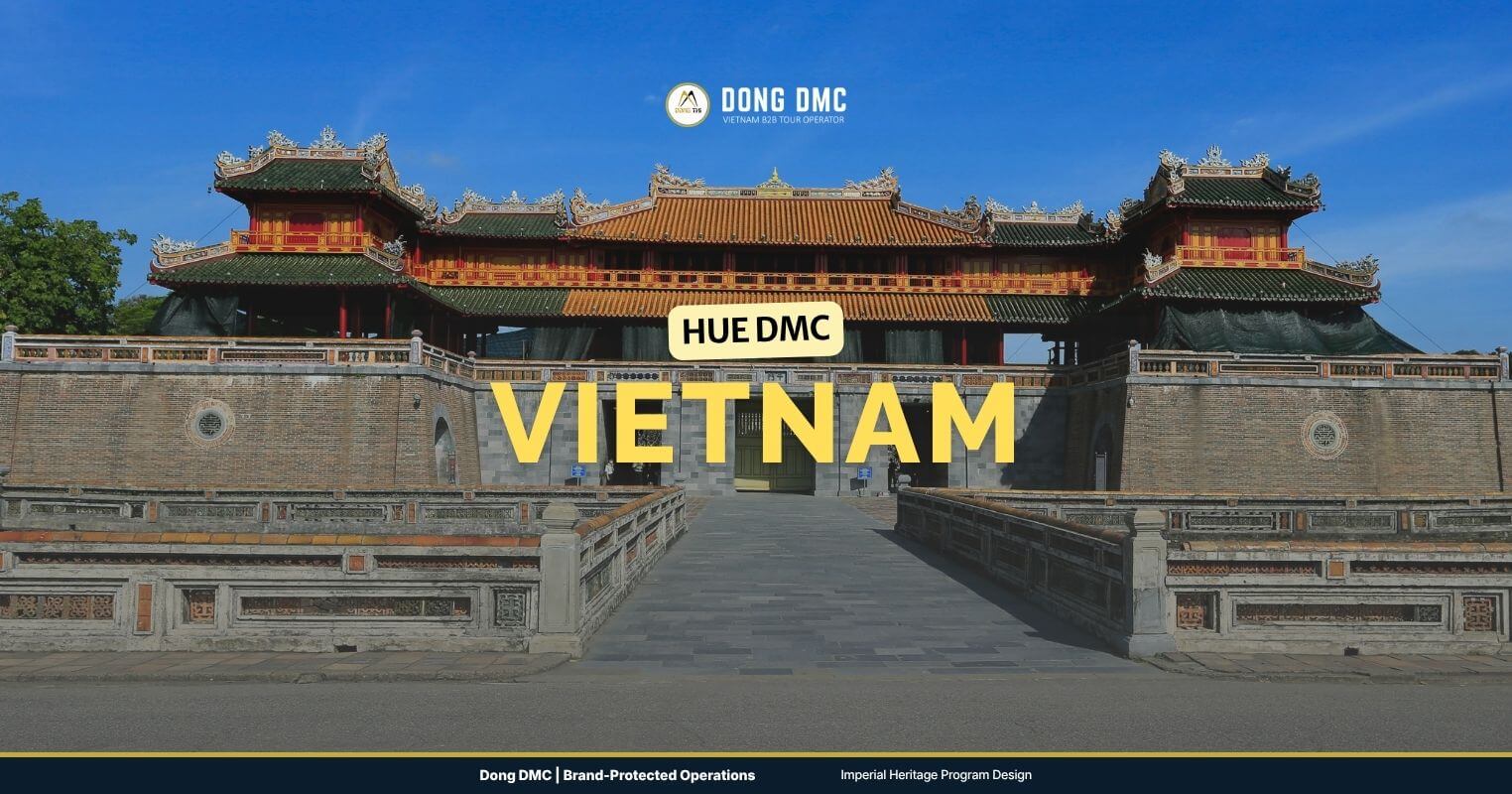
| Hue DMC | Heritage travel, cultural groups, imperial history, educational | Central Vietnam heritage extension | UNESCO Imperial Citadel, royal tombs, Perfume River; pairs with the Danang–Hoi An central heritage circuit | Heaviest rainfall Oct–Dec; usually a short stay or day visit rather than a base | Danang, Hoi An |
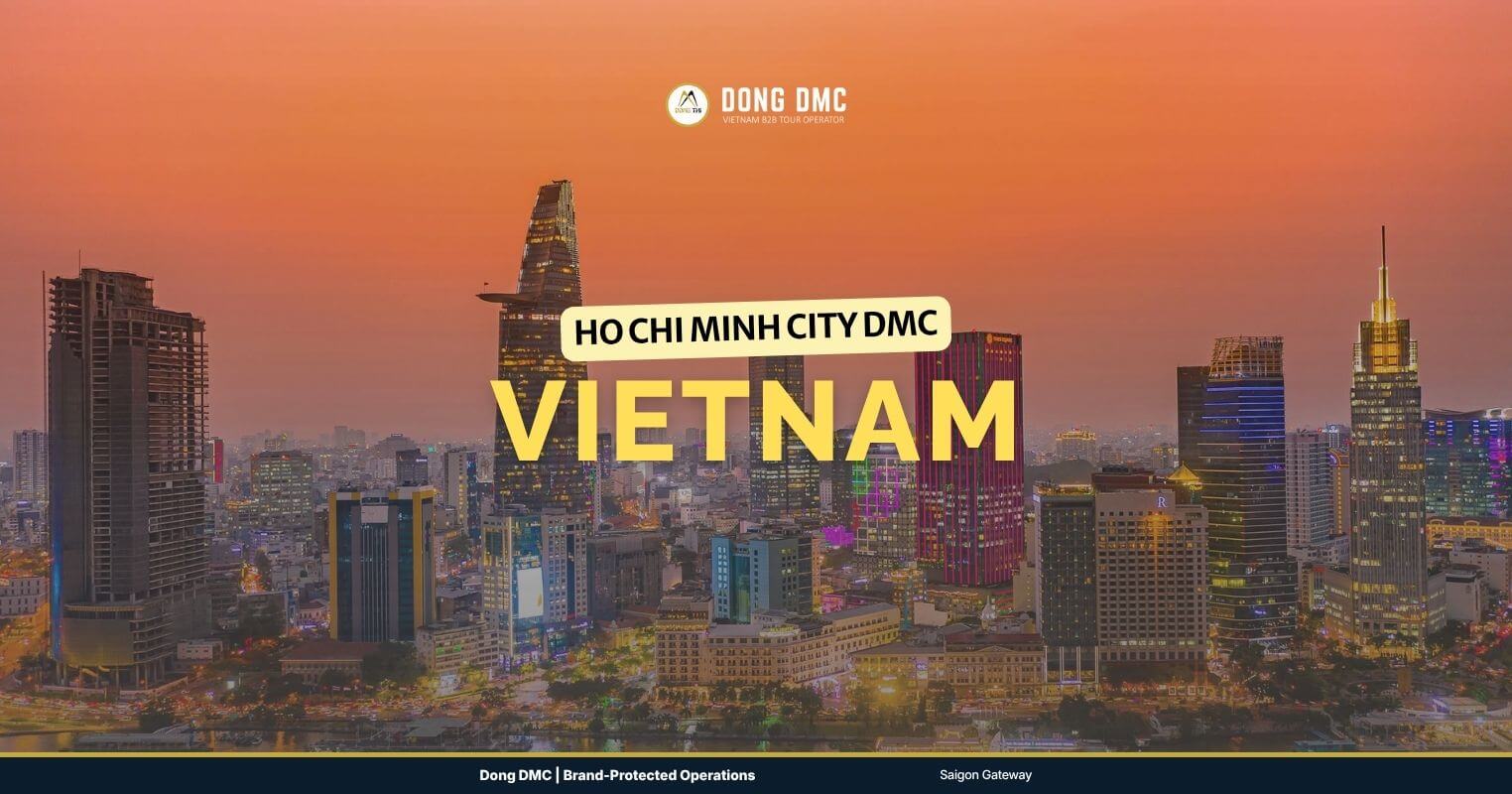
| Ho Chi Minh City DMC | Corporate travel, city stays, group touring | South Vietnam gateway | Strong urban base and onward routing hub | City movement and timing realism | Mekong Delta, Phu Quoc |
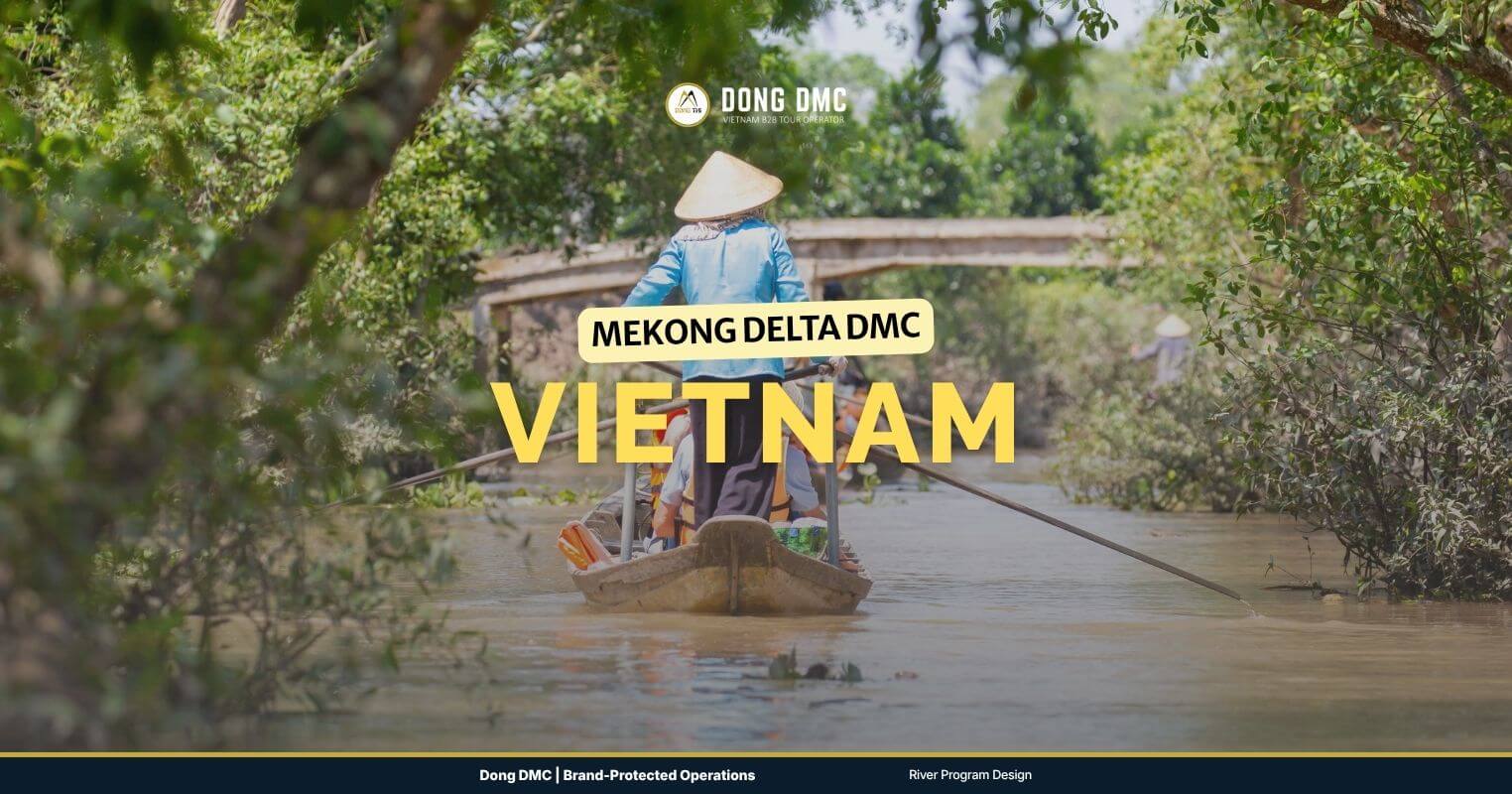
| Mekong Delta DMC | Cultural day trips, group touring, river cruise pre/post land | South Vietnam extension | Floating markets, sampan river life, direct linkage from Ho Chi Minh City | Travel distance from HCMC; day-trip vs. overnight pacing decision | Ho Chi Minh City, Phu Quoc |
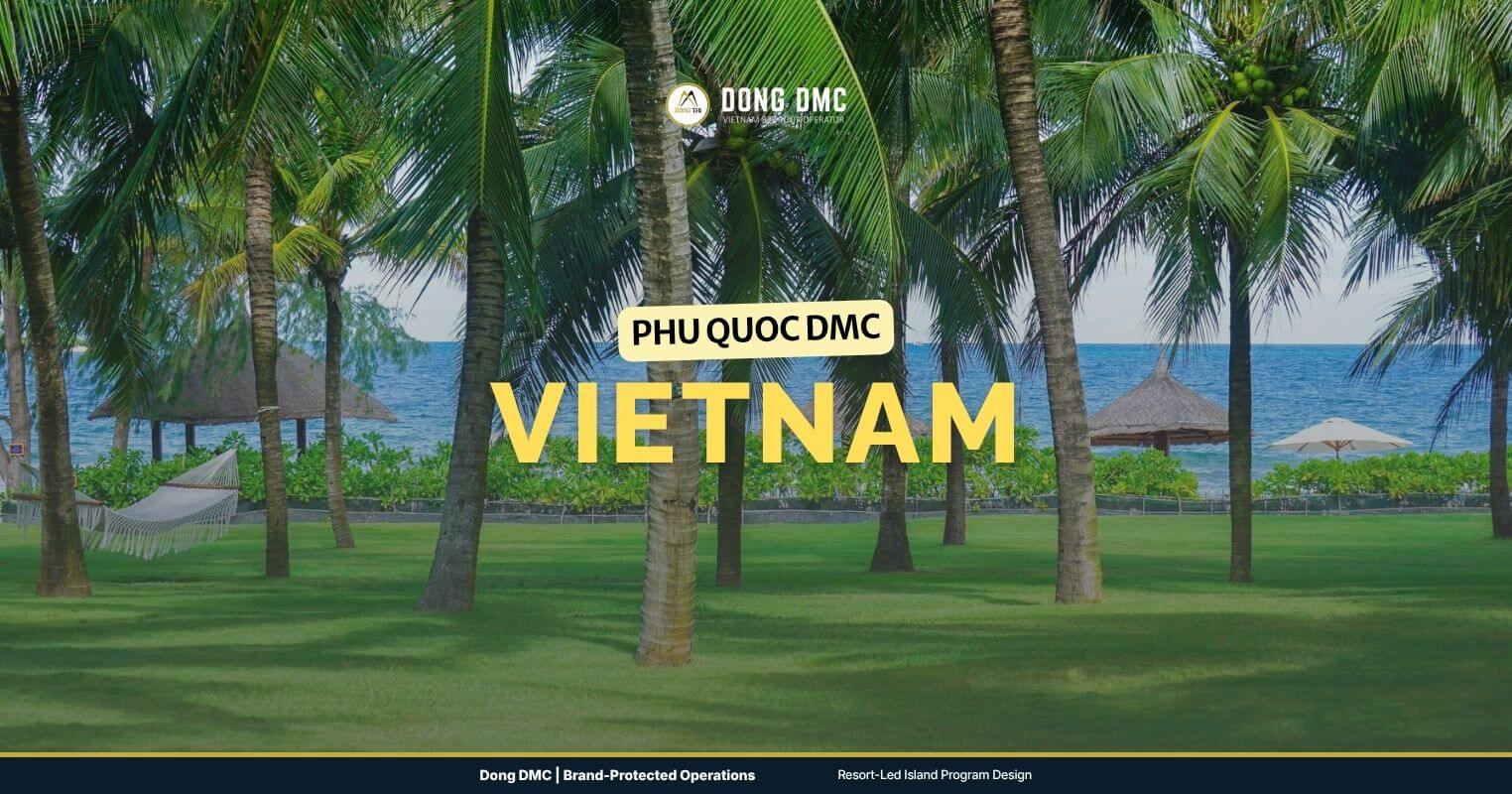
| Phu Quoc DMC | Luxury, resort stays, incentive extensions | Island leisure destination | High-end resort and beach-led experience | Flight access and island pacing | Ho Chi Minh City |
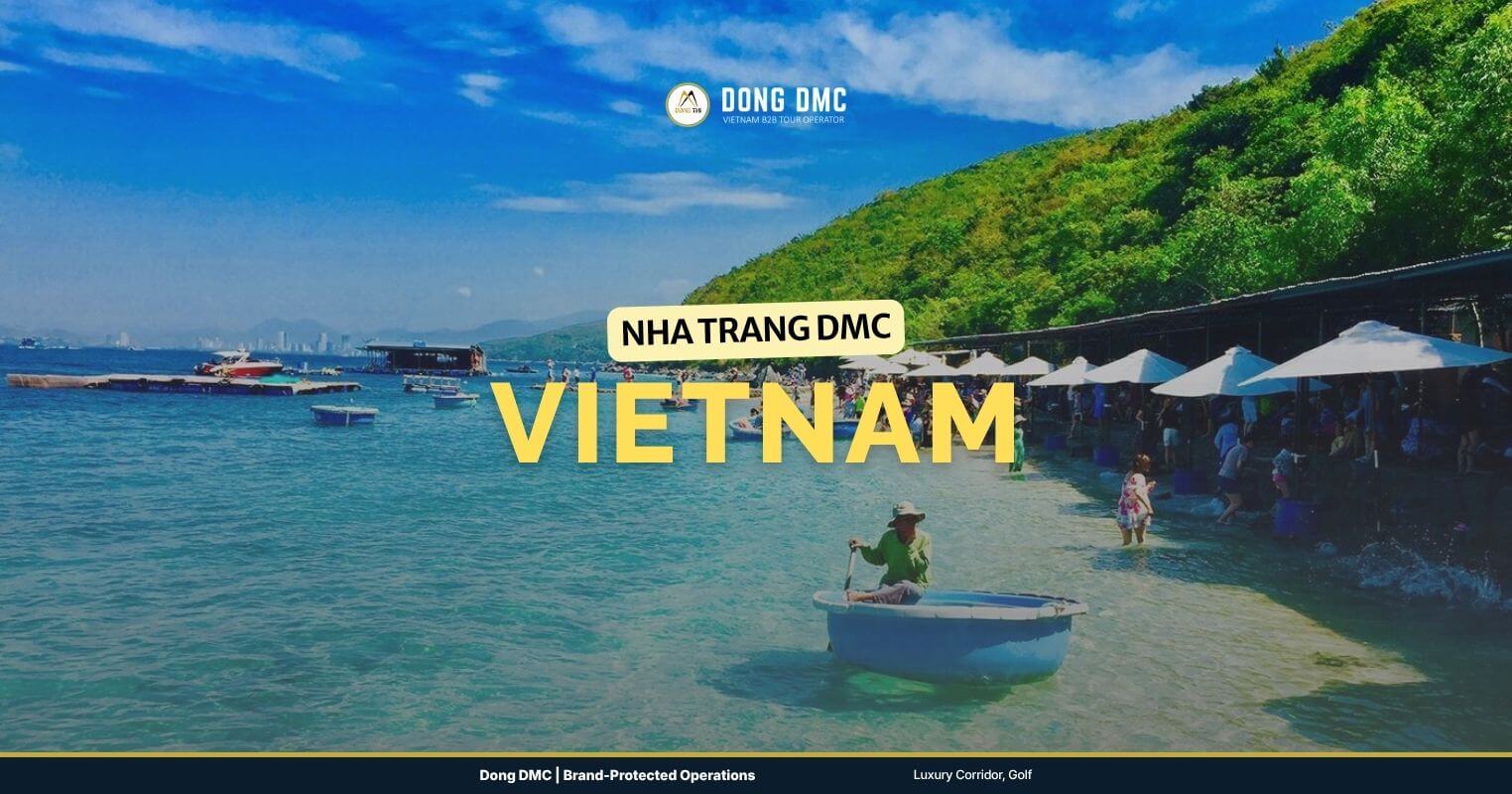
| Nha Trang DMC | Luxury, golf, incentive beach, honeymoon | South-Central coastal destination | Ultra-luxury properties, international airport, longest dry season | Transfer zone confusion (Cam Ranh vs. city vs. Ninh Van Bay) | Ho Chi Minh City, Phu Quoc, Dalat |
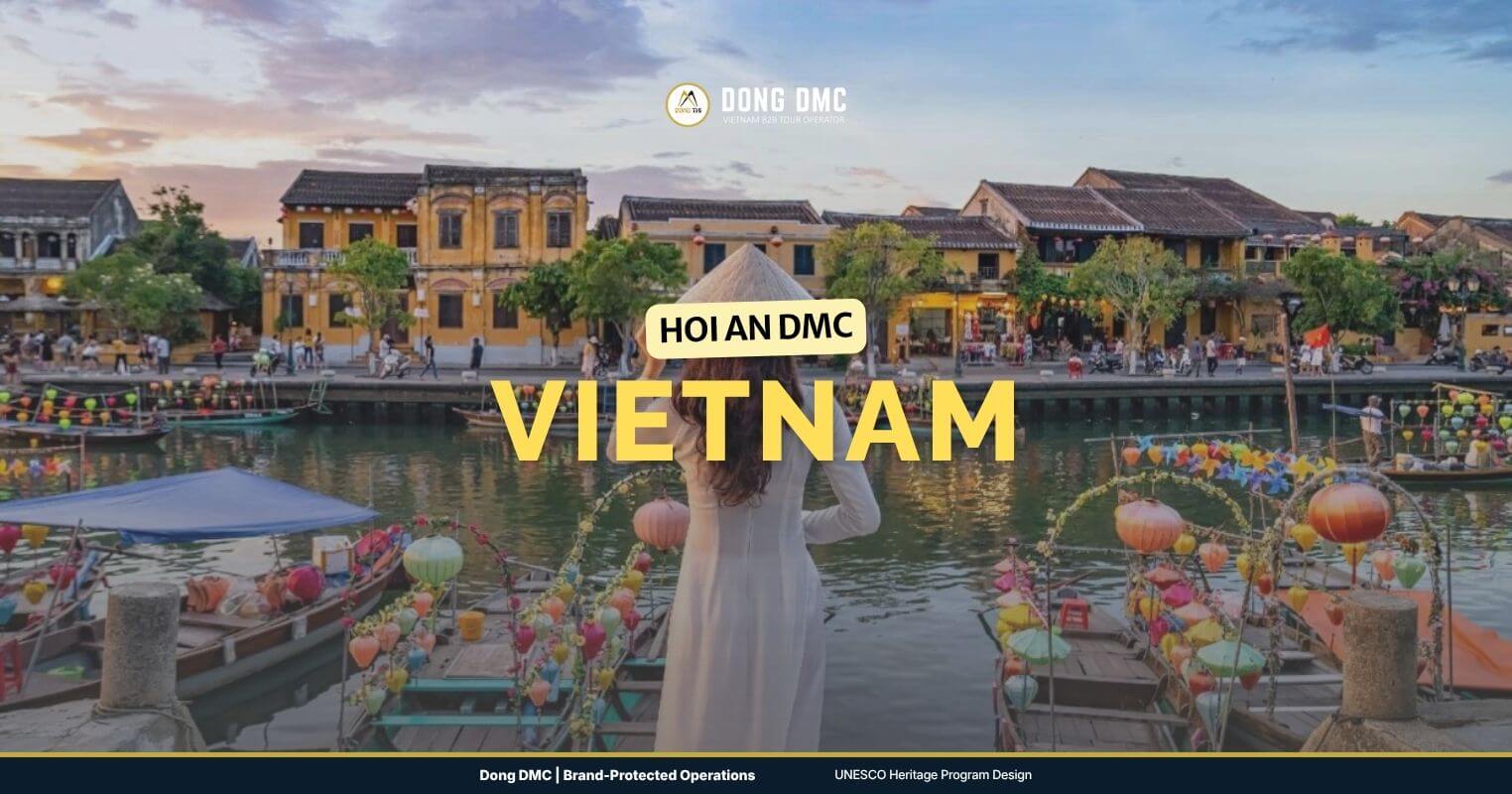
| Hoi An DMC | Cultural travel, premium leisure, heritage stays | Central Vietnam extension | Distinctive heritage atmosphere and lifestyle fit | Usually depends on Danang gateway coordination | Danang, Hue |
Vietnam DMC by city
Ten destination pages, north to south. Each one covers venues, hotel zones, transfer logic and the season to plan around for that city.
Related Vietnam program planning references
Destination-level planning becomes more useful when viewed alongside broader program structure, traveler profile, and operating requirements.
Frequently asked questions
Related references
Core authority pages
For broader planning context, see Vietnam DMC, Vietnam Travel Programs, Service Scope & Boundaries, and Planning Stability & Contingency Approach.
Supporting insight paths
These destination pages work well alongside content in Destination Intelligence, Operational Insights, Market Updates, and Cases.
Need a destination-specific planning reference?
Explore the individual destination DMC pages above to compare local fit, routing logic, and program structure across Vietnam.
Start with Danang DMC