
 ID
ID IT
IT DE
DE ZH
ZH ES
ES FR
FRHanoi DMC — North Vietnam Capital Gateway, MICE Convention Coordination, and Heritage Program Design
Hanoi DMC services for travel agencies, tour operators, MICE planners, and luxury FIT specialists operating Vietnam's political and cultural capital — contracted luxury hotel allotments at Sofitel Legend Metropole Hanoi, JW Marriott Hanoi, Capella Hanoi (Michelin Key), and InterContinental Hanoi Westlake, National Convention Center (NCC) 3,500-pax MICE coordination, UNESCO Thang Long Imperial Citadel and Old Quarter heritage programming, Old Quarter coach restriction logic, North Vietnam gateway routing to Sapa, Halong Bay, Ninh Binh, and Mai Chau, and the cultural Wow Factor moments that define Vietnam's most-visited capital experience.
An operational reference, not a service brochure. This page explains how a Hanoi DMC works under real Northern Vietnam execution conditions.
Hanoi at a glance for agencies
Dong DMC is a Vietnam DMC that runs Hanoi group, MICE, incentive and luxury programs for travel agencies, tour operators and MICE planners. It coordinates events at the National Convention Center (3,500 pax) and JW Marriott Hanoi (1,000 pax), holds luxury hotel allotments including Sofitel Legend Metropole, plans coach access in the Old Quarter, and routes groups from Noi Bai Airport to Halong Bay, Ninh Binh and Sapa. Programs are quoted at B2B net rates and delivered under the agency's brand.
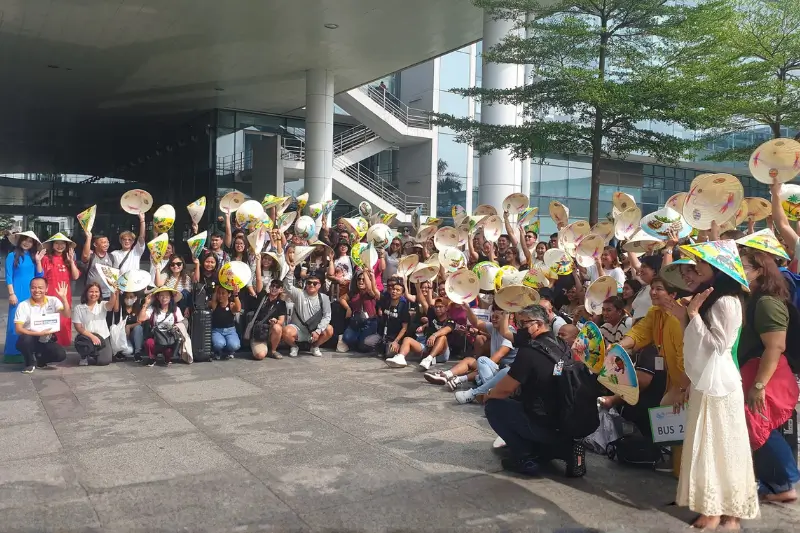
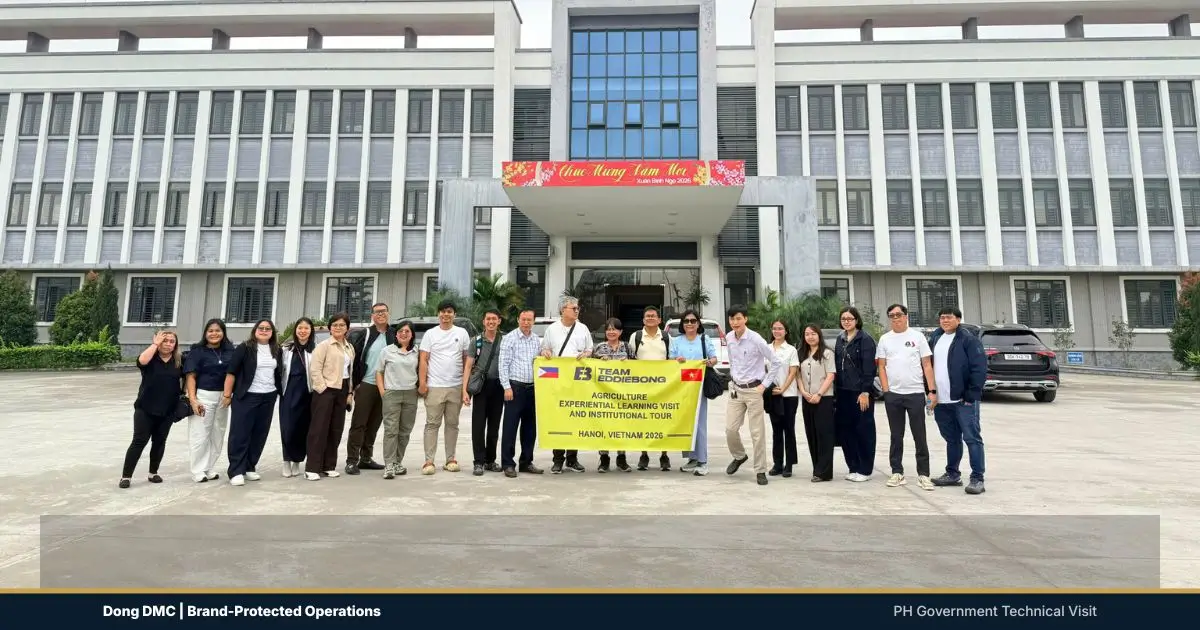
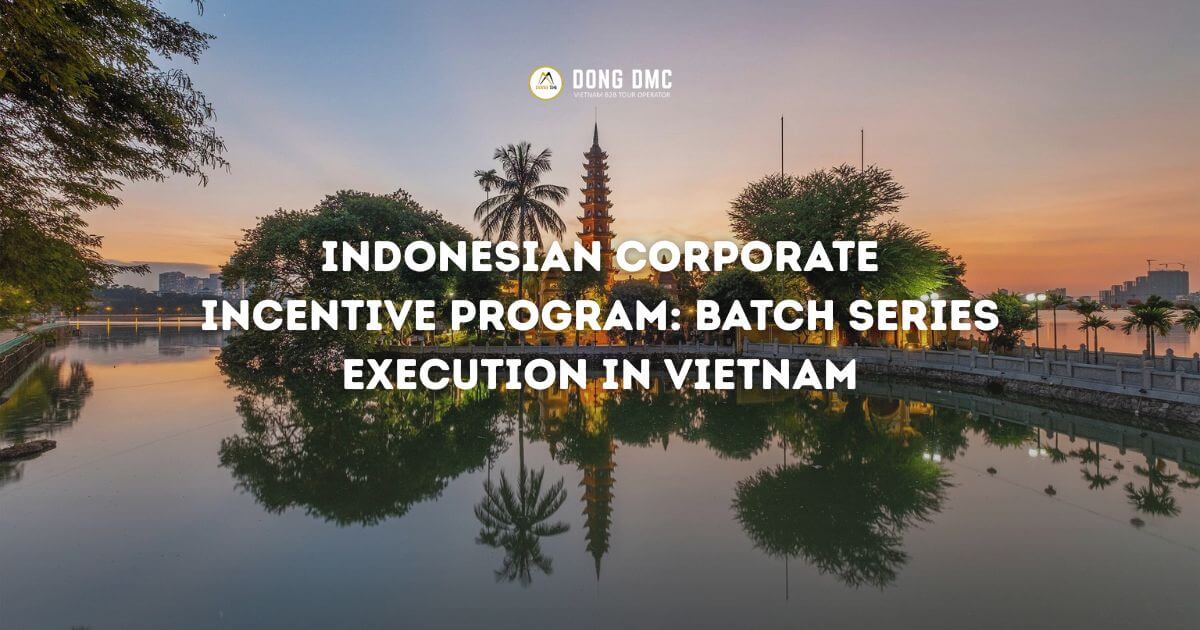
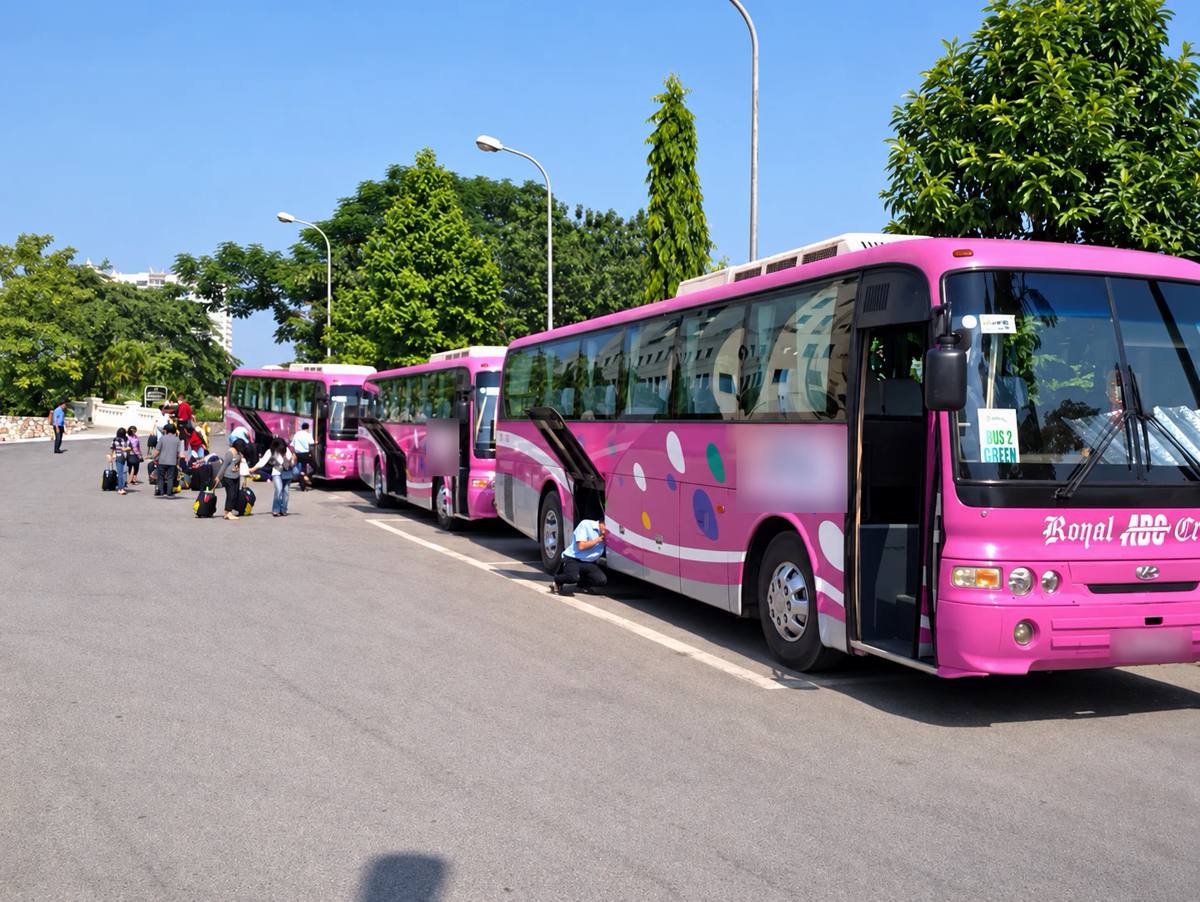
Hanoi groups we have handled: Noi Bai arrivals to embassy delegations
Quick Reference: Hanoi DMC
- What it is
- A B2B destination management company specializing in tour, MICE, incentive, and luxury programs in Hanoi, Vietnam's political and cultural capital and the gateway for all North Vietnam circuits.
- Who it serves
- Travel agencies, tour operators, MICE planners, incentive houses, luxury FIT specialists, and pilgrimage program coordinators — not direct travelers.
- Primary services
- Cultural and heritage tour design, contracted luxury hotel allotments, National Convention Center (NCC) and luxury hotel MICE coordination, gala dinner production, North Vietnam gateway routing (Sapa, Halong, Ninh Binh, Mai Chau), Old Quarter coach restriction management, FAM tour coordination.
- Geographic coverage
- Hanoi Old Quarter, French Quarter, Hoan Kiem Lake, West Lake, Thang Long Imperial Citadel, Temple of Literature, Ho Chi Minh Mausoleum complex, Bat Trang Ceramics Village, Van Phuc Silk Village, Duong Lam Ancient Village.
- Airport
- Hanoi Noi Bai International Airport (HAN) — direct flights from major Asian, European, and Australian markets. 30–45 minutes to most central Hanoi hotels.
- MICE capacity
- National Convention Center (NCC) 3,500 pax main hall (host of Vietnam MICE Expo). JW Marriott Hanoi 1,000-pax conference scale. Sofitel Legend Metropole 250-pax heritage ballroom.
- UNESCO status
- Central Sector of the Imperial Citadel of Thang Long inscribed by UNESCO in 2010. Ninh Binh Trang An Landscape Complex (mixed natural/cultural, 2014) is the standard day-trip extension from Hanoi.
- Best season
- October–April for cool dry weather. May–September brings heat and rain; programs in this window operate but require weather contingency.
1. Dong DMC's scope in Hanoi
A Hanoi DMC (Destination Management Company) is a B2B inbound operator that designs and executes tour, MICE, incentive, and luxury programs in Hanoi, Vietnam's political and cultural capital in the Red River Delta of Northern Vietnam.
In practice the work covers:
- Cultural and heritage tour design
- Contracted luxury hotel allotments
- National Convention Center (NCC) and luxury hotel MICE coordination
- Gala dinner production
- North Vietnam gateway routing (Sapa, Halong, Ninh Binh, Mai Chau)
- Old Quarter coach restriction management
- FAM tour coordination
2. Hotel zones — Three distinct corridors with named contracted partners
Hanoi DMC programs use three primary hotel zones, each suited to a different program profile. Hotel zone selection determines proximity to cultural sites, evening atmosphere, MICE venue access, and the character of the Hanoi experience. Dong DMC holds contracted allotments across all three zones with named luxury and 4-star partners.
Zone 1 — Old Quarter (heritage walking-paced)
The Old Quarter is Hanoi's historic commercial core — 36 streets traditionally named after the goods their merchants sold (Hang Bac for silver, Hang Gai for silk, Hang Bong for cotton). Dating to the 13th century, the Old Quarter is Hanoi's cultural heart and the destination most leisure travelers come to experience.
Hotels in or immediately adjacent to the Old Quarter offer walkable access to Hoan Kiem Lake, Ngoc Son Temple, the night market, street food vendors, traditional craft shops, and cultural performance venues. This zone suits luxury FIT, cultural immersion travelers, honeymoon programs, and small premium groups whose program centers on the heritage experience.
Watchout: Old Quarter coach access is restricted during peak hours (06:00–09:00 and 16:00–19:00). Programs basing in the Old Quarter must coordinate small-vehicle and walking transfer logic for arrival and departure during restricted windows.
Zone 2 — French Quarter (luxury heritage and MICE)
The French Quarter, immediately south of the Old Quarter, contains Hanoi's grandest colonial architecture, the Hanoi Opera House, and the city's flagship luxury hotels. This zone is the operational base for premium FIT, executive corporate stays, MICE programs requiring luxury hotel ballrooms, and government and institutional conference programs.
Contracted partner properties in this zone include Sofitel Legend Metropole Hanoi (the 1901 heritage icon, 250-pax ballroom, Michelin Key recognized), Apricot Hotel (boutique-luxury contemporary), and additional 4–5 star contracted properties.
Watchout: the French Quarter is dense and central — coach access still requires planning around peak-hour restrictions, though the boulevards themselves are wider than the Old Quarter and accommodate larger vehicles outside the restricted windows.
Zone 3 — West Lake / Tay Ho (urban resort feel)
West Lake (Ho Tay) is the largest lake in Hanoi, ringed by upmarket residential and hotel developments. The zone offers a distinctly different Hanoi base experience — over-water pavilions, lake views, garden settings, and lower density than central Hanoi.
Contracted partner properties include InterContinental Hanoi Westlake (over-water pavilions, the most architecturally distinctive luxury hotel in Hanoi), Pan Pacific Hanoi, and Capella Hanoi (Michelin Key, boutique-luxury near the Hanoi Opera House on the Old Quarter–French Quarter edge). JW Marriott Hanoi (1,000-pax conference scale) is positioned south of West Lake near the National Convention Center for premium MICE programs.
Watchout: West Lake hotels are 15–25 minutes from the Old Quarter cultural sites — programs requiring intensive heritage walking from base hotel should consider Old Quarter or French Quarter zones instead. West Lake suits MICE programs (NCC proximity), luxury FIT seeking lake atmosphere, and longer-stay programs where daily Old Quarter commute is acceptable.
Hotel zone summary:
| Zone | Best For | Named Contracted Partners | Watchout |
|---|---|---|---|
| Old Quarter | Luxury FIT, cultural immersion, honeymoon, small premium groups | Boutique heritage and 4–5 star Old Quarter properties (named per program quotation) | Coach restrictions 06:00–09:00 and 16:00–19:00 — small vehicle access only during peak hours |
| French Quarter | Premium FIT, executive corporate, MICE with luxury hotel ballroom, government and institutional programs | Sofitel Legend Metropole Hanoi (250-pax ballroom, Michelin Key), Apricot Hotel | Central density — peak-hour coach access still requires planning |
| West Lake / Tay Ho | MICE (NCC proximity), luxury FIT seeking lake atmosphere, longer-stay programs | InterContinental Hanoi Westlake (over-water pavilions), Pan Pacific Hanoi, Capella Hanoi (Michelin Key, near Opera House), JW Marriott Hanoi (1,000-pax conference scale) | 15–25 minutes from Old Quarter — daily commute required for heritage walking programs |
3. MICE venues — National Convention Center and named hotel ballrooms
Hanoi is Vietnam's primary MICE destination for government, institutional, and high-profile international corporate conferences. The city's MICE positioning is distinct from Danang (resort-integrated MICE), Ho Chi Minh City (large-scale exhibitions and trade shows), and Phu Quoc (incentive island retreats) — Hanoi delivers formal, capital-city-anchored convention infrastructure with cultural depth no other Vietnamese MICE destination matches.
National Convention Center (NCC) — 3,500 pax main hall
The National Convention Center is Hanoi's flagship purpose-built MICE venue and the host of Vietnam MICE Expo. The main hall accommodates 3,500 pax in single-room configuration for large-scale conferences, plenary sessions, government summits, and major international events. Located in My Dinh district, near JW Marriott Hanoi and the National Sports Complex.
Best for: large-scale government conferences, international association events, major corporate summits, multi-day plenary programs requiring purpose-built convention infrastructure.
JW Marriott Hanoi — 1,000-pax conference scale
JW Marriott Hanoi is the premier integrated luxury hotel and conference venue in Hanoi. 1,000-pax ballroom capacity, multiple breakout rooms, full AV production infrastructure, and same-property luxury accommodation. Architectural design by Carlos Zapata Studio gives the hotel a distinctive contemporary identity.
Best for: 5-star integrated MICE programs requiring single-property efficiency (venue + accommodation), premium incentive gala dinners, executive corporate conferences, brand product launches.
Sofitel Legend Metropole Hanoi — 250-pax heritage ballroom
The Sofitel Legend Metropole Hanoi is the 1901-built heritage icon of the French Quarter. The hotel's heritage ballroom and dining venues offer the only authentic French-colonial-era gala setting in Hanoi at 5-star service standard. 250-pax capacity in the main ballroom.
Best for: heritage-luxury gala dinners, executive incentive programs where venue character is part of the reward experience, anniversary and celebration programs, premium cultural conferences valuing setting over scale.
Auxiliary venues and Old Quarter dining
For programs requiring distinct themed venues, Dong DMC coordinates Old Quarter contracted private dining rooms (typically 100–150 pax), West Lake riverside dining, and themed banquet productions at hotel ballrooms across all contracted partner properties. Traditional water puppet integration, áo dài cultural welcomes, traditional Vietnamese musical ensembles, and street-food-themed buffet productions are built into gala run-of-shows as standard cultural Wow Factor moments.
For full Vietnam MICE planning logic, see Vietnam MICE & Corporate Events.
4. Old Quarter coach restrictions — the operational signature of Hanoi DMC programs
Hanoi's Old Quarter operates under enforced vehicle access restrictions that distinguish the city from every other Vietnamese destination. 28-seat and 45-seat coaches cannot enter the Old Quarter zone during peak rush hours (06:00–09:00 and 16:00–19:00). The restriction is enforced by traffic police — there is no circumvention, no negotiation, and no exception.
The implications for a Hanoi DMC are operational and program-design-level:
Three operational responses to the restriction:
- Time-shift the movement — schedule Old Quarter arrival and departure outside the restricted windows. Pre-06:00 or post-09:00 morning arrivals; pre-16:00 or post-19:00 evening departures. This is the simplest solution and the default for well-planned programs.
- Substitute small vehicles — split the group across multiple 16-seat minivans that are permitted within the Old Quarter at all hours. Requires coordination across multiple drivers, synchronized arrival points, and luggage handling logic that single-coach programs do not face.
- Stage the group at a perimeter point — coach drops at a permitted perimeter zone (typically near Hoan Kiem Lake or French Quarter edges), with walking, cyclo, or small-vehicle final-mile transfer to Old Quarter hotels.
If the restriction is ignored or unaccounted for in program planning → coach blocked at restriction zone → forced reroute or extended idle wait → cascading schedule delay → guests perceive disorganization → FINAL outcome: visible operational failure at the most-visible transfer touchpoint.
Group size scaling under coach restriction:
20 pax → switch to 2 minivans easily, manageable single-driver coordination
50 pax → 3–4 minivans required, coordinated arrival sequencing, single-driver coordination breaks down
100 pax → 6–7 minivans, dedicated transfer coordinator, advance perimeter staging required
200+ pax → 12+ minivans, multi-driver coordination team, programs typically reschedule outside restriction windows rather than absorb minivan complexity
The non-obvious failure mode under minivan substitution: vehicles arrive at slightly different times, group cohesion breaks at the destination, guide control weakens across split arrivals, and hotel check-in becomes staggered across 30–60 minutes. The coach restriction problem is solvable but compounds coordination complexity in ways improvised operators consistently mishandle.
This is the single most operationally distinct constraint in Vietnam tourism. A Hanoi DMC's competence in this layer is the most reliable proof of operational depth. Movement planning aligns with Vietnam Luxury Transport & VIP Services.
5. Hanoi landmarks matched to program type
Each Hanoi landmark serves a different program purpose. A Hanoi DMC selects combinations based on program length, group profile, market origin, and program type.
Hoan Kiem Lake and Ngoc Son Temple
The cultural and emotional center of Hanoi. Hoan Kiem Lake (the "Lake of the Returned Sword") sits between the Old Quarter and the French Quarter. Ngoc Son Temple, on Jade Island in the lake, is reached via the iconic red Huc Bridge ("Rising Sun Bridge"). Best at sunrise — locals practice tai chi and morning aerobics around the lake from 05:30 onward, delivering the strongest atmospheric program window. Standard inclusion in every Hanoi cultural program.
Hanoi Old Quarter
The 36 streets of the Old Quarter trace back to the 13th century, originally organized as commercial guilds named after the goods each street sold. Hang Bac (silver), Hang Gai (silk), Hang Bong (cotton), Hang Ma (votive paper). Walking and cyclo tours through the Old Quarter at golden hour deliver the photographic and atmospheric heart of any Hanoi program. Evening street food immersion (pho, bun cha, banh mi, egg coffee) is a standard Wow Factor moment.
Thang Long Imperial Citadel (UNESCO 2010)
The Central Sector of the Imperial Citadel of Thang Long was inscribed on the UNESCO World Heritage List in 2010. The site contains 1,000+ years of layered Vietnamese imperial history — Ly, Tran, Le, and Nguyen dynasty foundations excavated and preserved, including the Forbidden City zone, Doan Mon Gate, and ancient palace foundations. Best for cultural and educational travel programs, history-focused FIT, and pilgrimage-adjacent groups seeking dynastic context.
Temple of Literature (Văn Miếu)
Vietnam's first national university, founded in 1070 by Emperor Ly Thanh Tong. Confucian temple complex with 82 stelae of doctorate degrees engraved in stone, courtyards of 600-year-old trees, and the Khue Van Cac pavilion (the architectural icon of Hanoi, depicted on Vietnam's 100,000 dong note). Standard cultural inclusion. Best in late afternoon when light softens.
Ho Chi Minh Mausoleum complex
The Mausoleum complex includes Ho Chi Minh's preserved body in the mausoleum itself (open mornings only, closed Mondays and Fridays, closed annually for maintenance), the Stilt House where Ho Chi Minh lived, the Presidential Palace exterior, and the One-Pillar Pagoda (Chua Mot Cot) — the iconic 11th-century Buddhist temple built on a single stone pillar. Modest dress required for mausoleum entry. Best as a structured morning program with combined-site walking sequence.
St. Joseph's Cathedral
The neo-gothic Catholic cathedral of Hanoi, built in 1886 in the Old Quarter. Modeled architecturally on Notre-Dame de Paris. The cultural and religious anchor for North Vietnam Catholic pilgrimage programs and a strong photographic stop on Old Quarter walking programs. Adjacent café district is a long-standing local meeting area.
Train Street (Phố Đường Tàu)
A narrow residential street in central Hanoi where the railway runs literally through the front of homes and cafés. Residents pull furniture and laundry off the tracks moments before each train passes. Train Street has experienced periodic closures and reopenings due to safety concerns — current access status must be confirmed at booking. When operational, it is one of Hanoi's most photographed Wow Factor moments.
Water Puppet Theatre (Thang Long Theatre)
Traditional Vietnamese water puppetry originated in the rice paddies of the Red River Delta over 1,000 years ago. Performances at the Thang Long Water Puppet Theatre on Hoan Kiem Lake's eastern edge run multiple shows daily, with traditional music ensemble accompaniment. Standard inclusion for cultural programs and family travel.
West Lake (Hồ Tây)
The largest lake in Hanoi, ringed by upmarket hotels, restaurants, and the historic Tran Quoc Pagoda (the oldest pagoda in Hanoi, founded in the 6th century). Best for sunset walking programs, pagoda visits, and luxury hotel base experiences.
Bat Trang Ceramics Village
15th-century ceramics village on the Red River, 13km southeast of Hanoi. Historically supplied ceramics to the imperial court and exported to Japan and Southeast Asia. Pottery-making workshops, kiln tours, and ceramics market browsing for groups of 10–40 pax per workshop session. Standard half-day cultural module. The new Bat Trang Ceramics Museum adds a polished complement to the village visit.
Van Phuc Silk Village
1,000+ year history of silk weaving, 10km southwest of Hanoi. Traditional wooden loom demonstrations, silk fabric market browsing (scarves, áo dài fabric, table runners). 1.5–2 hour visit. Best paired with another craft village or Hanoi cultural site for a full half-day.
Duong Lam Ancient Village
50km west of Hanoi. Traditional Red River Delta village structure with stone-walled homes, communal halls, and ancestral pagodas dating to the 17th–18th centuries. Best for slow-travel and cultural immersion programs seeking less-visited heritage experiences.
Ninh Binh Trang An (UNESCO 2014)
Standard day trip from Hanoi, 1.5–2 hours by road. The Trang An Landscape Complex was inscribed by UNESCO in 2014 as a mixed natural and cultural heritage site — limestone karst landscapes carved with bamboo boat waterways through caves and rice fields, plus the ancient capital of Hoa Lu (10th–11th centuries) and the Bai Dinh Pagoda complex (the largest pagoda complex in Southeast Asia). Tam Coc cave routes are an alternative bamboo boat experience within the same region. Often combined with Hanoi as a 1–2 night extension or full-day excursion.
Mai Chau Valley
3 hours west of Hanoi by road. Highland valley with White Thai ethnic minority villages — Lac Village and Pom Coong are the standard community-based tourism destinations, offering stilt-house homestays, traditional dance performances, and rice paddy walking routes. Best as 1–2 night extension. Suits cultural immersion travelers and slow-travel programs.
6. Signature Hanoi moments for incentive and VIP groups
Cultural Wow Factor moments are authentic, culturally specific surprise experiences designed into Hanoi programs as standard practice. They are not upsells, not premium add-ons, and not charged separately — they are how a Hanoi DMC program signals craft and care. Each moment is selected based on group profile, market origin, and program type.
Áo Dài and Conical Hat Welcome at Noi Bai Airport
Group meet-and-greet team in traditional áo dài with conical hats at the Noi Bai International Airport arrivals hall. The first Wow Factor moment of the program — delivered before guests reach the coaches. Particularly impactful for incentive groups (Indonesian, Filipino, Indian markets have responded strongly), KOL group programs, and luxury FIT honeymoon arrivals where the airport welcome sets the program tone.
Old Quarter Cyclo Tour at Golden Hour
Traditional three-wheeled cyclo (cycle-rickshaw) tour through the Old Quarter at golden hour (typically 16:30–18:00 depending on season). One driver per cyclo, one passenger. The pace is slow, the route is photographic, and the experience captures the Old Quarter's commercial heart in a way no walking or coach program can. Strong for incentive group activity components, luxury FIT, family programs.
Hanoi Street Food Immersion
Walking tour through the Old Quarter sampling Hanoi's signature street foods at named partner stalls and restaurants — pho bo (beef noodle soup) at Pho Bat Dan or Pho Thin, bun cha (grilled pork with vermicelli) at Bun Cha Huong Lien (the Obama-Bourdain venue), banh mi (Vietnamese baguette sandwich), and egg coffee at heritage cafés in the Old Quarter and around Hoan Kiem Lake. Hanoi is Vietnam's recognized cuisine capital — the street food program is a defining cultural experience for first-time visitors.
Egg Coffee at Heritage Café
Egg coffee (cà phê trứng) is a Hanoi specialty — Vietnamese coffee with whipped egg yolk and condensed milk creating a custard-like topping. Originating at Café Giang in 1946 (the original location remains operational), it is now served across Hanoi heritage cafés. A standard 30-minute Wow Factor stop within Old Quarter walking programs.
Train Street Coffee Stop
When operational (status varies — must be confirmed at booking), coffee or tea at a Train Street café with the railway passing within arm's reach is the most-photographed Hanoi Wow Factor moment of recent years. Limited capacity, requires advance partner coordination, and remains subject to periodic safety closures.
Cooking Class with Morning Market Visit
Hanoi cooking class programs typically begin with a Hanoi morning market visit (Hang Be, Cho Hom, or Long Bien depending on group profile), followed by hands-on Vietnamese cooking instruction at a partner kitchen. Suits cultural immersion travelers, family groups, and incentive groups seeking depth beyond standard sightseeing.
Water Puppet Performance
Traditional Vietnamese water puppetry performance at the Thang Long Water Puppet Theatre, with traditional music ensemble accompaniment. 50-minute performance, multiple daily showtimes. Standard cultural inclusion that delivers consistently strong reception across markets.
Bat Trang Pottery Workshop
Hands-on pottery making at Bat Trang ceramics village. Guests shape pieces on traditional wheels with artisan instruction, with finished pieces fired and shipped to home addresses post-program. Strong for cultural immersion and family programs.
7. North Vietnam gateway — Hanoi as the operational hub
Hanoi is the operational gateway for every standard North Vietnam circuit. There is no alternative — Sapa, Halong Bay, Lan Ha Bay, Ninh Binh, and Mai Chau all connect through Hanoi, and the Hanoi handling layer determines whether the circuit operates smoothly or fails at the connection points.
Hanoi DMC gateway routing coordination includes:
Hanoi → Sapa
5 hours by limousine van or 45-seat coach via the Noi Bai–Lao Cai expressway, or 8 hours by overnight train to Lao Cai station plus 45-minute road transfer. See Sapa DMC for full Sapa programming logic. Approximately 60% of all Dong DMC North Vietnam groups route directly Hanoi → Sapa as a primary program destination.
Hanoi → Halong Bay and Lan Ha Bay
180km, 2.5–3 hours by road via the Hanoi–Halong expressway, or 25 minutes by Hai Au Aviation seaplane (with scenic bay overflight included). See Halong DMC for full bay cruise programming logic. Halong is the standard North Vietnam circuit centerpiece for leisure programs and the cruise charter destination for European incentive groups.
Hanoi → Ninh Binh Trang An
1.5–2 hours by road. The closest UNESCO heritage extension to Hanoi. Day trip or 1–2 night extension format. Bamboo boat programs through limestone karst waterways, Hoa Lu ancient capital, Bai Dinh Pagoda complex. Often used as a Halong alternative when typhoon season suspends bay sailings.
Hanoi → Mai Chau
3 hours by road. White Thai ethnic minority valley with stilt-house homestays in Lac Village and Pom Coong. 1–2 night extension format. Suits cultural immersion travelers and slow-travel programs seeking community-based tourism beyond the standard North Vietnam circuit.
Standard North Vietnam circuit combinations
Classic 8–10 day leisure circuit: Hanoi (2–3 nights) → Sapa (2–3 nights) → Hanoi → Halong Bay (2 nights) → Hanoi → departure. The dominant European, Australian, and North American leisure pattern.
Heritage extension circuit: Hanoi (2 nights) → Ninh Binh (1–2 nights) → Hanoi → Halong Bay (2 nights) → Hanoi → departure. Two UNESCO sites plus the cultural capital, 6–7 days.
Cultural immersion circuit: Hanoi (3 nights) → Mai Chau (2 nights) → Hanoi → Halong Bay (2 nights) → Hanoi → departure. Slow-paced, community-focused.
Asian incentive North circuit: Hanoi (1–2 nights cultural) → Sapa (2 nights with Fansipan cable car) → Hanoi (1 night gala) → departure. 5–6 day Indonesian, Filipino, and Indian incentive group standard.
Destination logic should be evaluated through Vietnam Location DMC.
8. Hanoi programs by format: city stays, MICE, incentives and northern circuits
Cultural and heritage FIT: Sofitel Legend Metropole, Capella Hanoi, or boutique Old Quarter base. UNESCO Thang Long Imperial Citadel, Temple of Literature, Hoan Kiem Lake morning programs, Old Quarter walking and cyclo tours, water puppet performances, craft village immersion, street food walking tours. Typically 2–3 nights as standalone or extended within North Vietnam circuit.
Luxury FIT and honeymoon: Capella Hanoi (Michelin Key), Sofitel Legend Metropole (heritage icon), or InterContinental Westlake (over-water pavilions) base. Curated dining, private craft experiences, brand-protected VIP handling. See Vietnam Luxury Travel.
MICE and conferences: National Convention Center (3,500 pax) for large-scale government and institutional events, JW Marriott Hanoi (1,000-pax conference scale) for premium corporate, Sofitel Metropole (250-pax heritage ballroom) for executive events valuing setting over scale. See Vietnam MICE & Corporate Events.
Asian incentive groups: Hanoi as the cultural opening of North Vietnam circuits, with áo dài + conical hat airport welcome, Old Quarter cultural programming, and onward routing to Sapa or Halong Bay. Strong for Indonesian, Filipino, Indian, Thai, and Korean incentive markets. See Vietnam Incentive Travel.
European luxury circuits: Hanoi as the cultural depth opening before Halong Bay luxury cruise. Capella or Sofitel Metropole base, slow-paced cultural programming, Ninh Binh UNESCO extension, Halong Bay luxury cruise (Paradise, Indochina Sails, Scarlet Pearl). 8–10 day standard.
Pilgrimage programs: Hanoi as the gateway for North Vietnam Catholic heritage routes — St. Joseph's Cathedral, Phat Diem Cathedral (in Ninh Binh province), and onward Catholic site routing. See Vietnam Pilgrimage Travel.
Culinary and wellness programs: Hanoi as Vietnam's recognized cuisine capital — street food immersion, cooking classes, market visits, fine dining at named partner restaurants. See Vietnam Culinary & Wellness.
Family programs: Old Quarter cultural immersion combined with Halong Bay cruise, Ninh Binh bamboo boats, water puppet performances, craft village workshops at Bat Trang. Typically 6–8 days with mixed pace.
9. Noi Bai arrivals, traffic windows and daily logistics in Hanoi
Noi Bai International Airport (HAN) access
Direct international flights from across Asia (Seoul ICN, Tokyo NRT/HND, Singapore SIN, Bangkok BKK, Hong Kong HKG, Taipei TPE, Manila MNL, Kuala Lumpur KUL, major Chinese cities), Europe (Paris CDG direct on Vietnam Airlines and Air France, with one-stop European hub access), and Australia (one-stop via regional connections). Domestic connections from Ho Chi Minh City (SGN), Da Nang (DAD), and other Vietnamese airports.
Airport-to-central-Hanoi transfer is 30–45 minutes by limousine or coach via the Nhat Tan Bridge route or the older Long Bien Bridge route. Traffic varies by time of day; rush-hour arrivals require buffer time built into program scheduling.
Group size scaling:
20 pax → standard handling, single coach or 2 minivans
50 pax → coordinated coach + lead vehicle, structured Old Quarter access planning
100 pax → multi-coach staging, sequenced arrival waves, dedicated transfer coordinator
200 pax → full coordinated transfer team, multi-property hotel block consideration, NCC venue scale-appropriate
500+ pax → reserved for major MICE programs at NCC with multi-hotel block coordination across French Quarter and West Lake zones
Scaling follows Vietnam Group Travel.
Check-in timing:
Standard 14:00 check-in combined with morning Asian-market flight arrivals (typically arriving 09:00–13:00) and afternoon European-market arrivals (typically arriving 13:00–17:00) creates absorption windows. Pre-check-in programming options: airport welcome ceremony with áo dài and conical hat reception, lunch at contracted Old Quarter restaurant (operationally available outside coach restriction windows), Hoan Kiem Lake walking introduction, Temple of Literature visit.
Weather contingency:
October to April delivers Hanoi's optimal weather — cool temperatures (15–25°C), low humidity, generally clear skies. December–February can dip to 10–15°C requiring layered clothing — guests must be advised to pack warm despite Vietnam's tropical reputation. May to September is hot (30–38°C) and humid with frequent rain. Programs in this window remain operational but require indoor-flexible cultural programming and weather-aware activity scheduling.
Transport planning aligns with Vietnam Luxury Transport & VIP Services.
A Hanoi Day 1 that goes wrong, step by step
This illustrates how small misalignments compound into visible failure when the Hanoi handling layer is under-planned:
120-pax European luxury group → flight arrives Noi Bai 16:30 → 45-seat coach assigned for transfer to Old Quarter boutique heritage hotel → coach departure airport 17:15 → arrival central Hanoi 17:45 → Old Quarter coach restriction in effect 16:00–19:00 → coach blocked at French Quarter perimeter → no minivan substitution pre-arranged → driver attempts re-routing via West Lake → additional 25 minutes added → minivans summoned ad-hoc → 4 minivans available, group split across 4 + 1 coach to perimeter → staggered arrival at Old Quarter hotel 18:30–19:45 → check-in queue overwhelms front desk → rooms not pre-allocated → 90-minute check-in delay → planned 19:30 welcome cocktail in Old Quarter rooftop venue starts with half group present → cyclo tour booked for 20:30 cancelled — too late, drivers gone home → planned Old Quarter street food walking tour rushed → guests fatigued and frustrated → first impression of Vietnam set negatively.
FINAL outcome:
Day 1 in Hanoi — the cultural opening that should set the tone for the entire North Vietnam circuit — feels chaotic and improvised at the most-visible touchpoints → guests perceive disorganization → cyclo tour and street food immersion (the Wow Factor moments justifying the Hanoi base) are diminished or lost → cascading negative tone affects how Sapa, Halong, and remaining program days are evaluated.
This failure is entirely preventable with correct advance planning: arrival flight time checked against Old Quarter coach restriction window, minivan substitution pre-arranged when arrival overlaps restriction, dedicated transfer coordinator at perimeter handoff, advance rooming list distribution to hotel front desk 7 days pre-arrival, structured pre-check-in absorption program (Hoan Kiem Lake walking introduction or Temple of Literature visit), and Old Quarter cultural programming sequenced after arrival energy is restored rather than packed into a tight first-evening window.
10. How Hanoi compares with other Vietnam bases
Compared to Ho Chi Minh City:
Hanoi → political and cultural capital, UNESCO Imperial Citadel, North Vietnam gateway, regulated coach access, four-season climate (winter cool 10–15°C)
Ho Chi Minh City → economic and commercial capital, French colonial-modern fusion, South Vietnam and Mekong gateway, less-restricted vehicle access, year-round tropical climate
Compared to Hoi An:
Hanoi → urban capital, comprehensive cultural program, North Vietnam circuit hub, MICE infrastructure
Hoi An → UNESCO heritage town, lantern-lit atmosphere, walking-paced, Central Vietnam destination
Compared to Da Nang:
Hanoi → cultural depth, regulatory complexity, North gateway, cooler climate
Da Nang → contemporary city, MICE convention infrastructure, beach focus, direct international access, Central Vietnam gateway
Common Hanoi program combinations:
Standard North circuit: Hanoi (2–3 nights) → Sapa (2–3 nights) → Halong Bay (2 nights) → return Hanoi. 8–10 days. The dominant European, ANZ, and North American leisure pattern.
Hanoi-led luxury: Hanoi (3 nights) → Ninh Binh (1–2 nights) → Halong Bay (2–3 nights) → Hanoi return. 7–9 days. Cultural depth-led with luxury cruise centerpiece.
Multi-region Vietnam: Hanoi (2–3 nights) → Halong Bay (2 nights) → Hanoi → Hoi An (3 nights) → Ho Chi Minh City (2 nights) → departure. 11–14 days. Comprehensive Vietnam circuit covering all three regions.
Destination logic should be evaluated through Vietnam Location DMC.
11. What a weak Hanoi proposal leaves out
The general checklist is on How to Choose a Vietnam DMC. For Hanoi, watch for these gaps in a proposal:
- Old Quarter coach restriction handling strategy is not documented for arrival and departure timing
- Contracted hotel allotments are not documented across all three zones (Old Quarter, French Quarter, West Lake)
- MICE venue choice (NCC vs JW Marriott vs Sofitel Metropole vs Old Quarter dining) is not matched to program tier
- North Vietnam circuit handoff timing is not buffered
- Wow Factor moments are quoted generically rather than named with specific partners and timings
- Heritage site visit sequencing is treated as random rather than deliberate (Hoan Kiem Lake at midday instead of sunrise, Temple of Literature mid-morning instead of late afternoon)
12. Old Quarter, coach and hotel-zone risks in Hanoi
- Old Quarter coach restriction blockage — coach attempts Old Quarter access during 06:00–09:00 or 16:00–19:00 window; result: visible operational failure at the most-visible transfer touchpoint.
- Minivan substitution coordination failure — minivans deployed without coordinated arrival sequencing; result: fragmented Day 1 experience.
- Hotel zone mismatch for program profile — cultural-immersion FIT group based at West Lake instead of Old Quarter; result: program perceived as logistical rather than experiential.
- North Vietnam circuit handoff timing — Sapa overnight train booking with arrival back in Hanoi at 06:00; result: cruise day energy depleted before embarkation.
- MICE venue tier mismatch — 800-pax international conference booked at JW Marriott (1,000-pax ballroom) without spillover capacity; result: conference experience constrained,.
- Train Street access uncertainty — Train Street included in program; result: program differentiation lost.
13. When to base a program in Hanoi, and when not to
Works best for
- Cultural and heritage FIT programs at Sofitel Legend Metropole, Capella Hanoi, or boutique Old Quarter properties, 2–3 nights with Wow Factor cultural moment integration
- Luxury FIT and honeymoon programs at Capella Hanoi (Michelin Key) or InterContinental Westlake with curated dining and brand-protected VIP handling
- Premium MICE programs at JW Marriott Hanoi (1,000-pax conference scale) or large-scale conferences at National Convention Center (3,500 pax)
- Heritage gala dinners at Sofitel Legend Metropole's 250-pax heritage ballroom for executive incentive programs
- Asian incentive group North Vietnam circuit openings with áo dài + conical hat airport welcome and Old Quarter cultural programming
- European luxury circuits combining Hanoi cultural depth with Halong Bay luxury cruise centerpiece
Better elsewhere
- Beach or coastal program focus — Hanoi is inland; Da Nang, Hoi An, Phu Quoc, or Nha Trang deliver beach experience
- Highland adventure or trekking programs — Sapa delivers this; Hanoi is the gateway, not the destination
- Single-day Vietnam programs — Hanoi's value compounds across multi-day programs; single-day visits leave the cultural depth and Wow Factor moments untouched
- Beach-focused MICE — Da Nang's Ariyana Convention Centre with beach base delivers this format better; Hanoi MICE is urban and culture-anchored
- Programs with significant mobility limitations in the Old Quarter — narrow streets, uneven surfaces, and walking-paced programming are not accessibility-friendly
- Late-October to mid-November flood-risk programs — typhoon system tail effects can affect North Vietnam, requiring weather contingency
14. FAQ
15. Related topics
- Vietnam DMC
- Sapa DMC
- Halong DMC
- Vietnam Location DMC
- Vietnam Luxury Travel
- Vietnam Luxury Hotel & Resort Partners
- Vietnam Luxury Cruise & Yacht
- Vietnam MICE & Corporate Events
- Vietnam Incentive Travel
- Vietnam Culinary & Wellness Experiences
- Vietnam Pilgrimage Travel
- Vietnam Group Travel
- Vietnam DMC Operations
- Vietnam Luxury Transport & VIP Services
- How to Choose a Vietnam DMC