
 ID
ID IT
IT DE
DE ZH
ZH ES
ES FR
FRVietnam Leisure Travel: How Group Programs Are Structured Under Real Conditions
A structured view of leisure travel in Vietnam, where routing, pacing, and coordination determine whether group programs operate smoothly or break down.
Not a product page. This explains how leisure travel functions under real execution conditions.
1. Definition
Leisure travel in Vietnam is not defined by sightseeing activities, but by how destinations, timing, and services are structured into a coordinated program.
This reflects how leisure group travel operates under real conditions, where execution constraints determine experience quality.
2. Why Leisure Travel Requires Structure
Vietnam leisure programs often combine multiple destinations, requiring coordination across flights, transfers, hotels, and activities.
Without structured planning, routing inefficiencies and timing gaps reduce program quality.
See system overview in Vietnam DMC.
3. Routing Logic
Leisure programs typically follow regional routing:
- North: Hanoi → Halong → Ninh Binh
- Central: Danang → Hoi An → Hue
- South: Ho Chi Minh City → Mekong → Phu Quoc
Each route introduces different travel distances and coordination requirements.
See geographic logic in location framework.
4. Group Execution Model
Leisure travel in Vietnam operates primarily as group movement, where timing and coordination must be aligned across participants.
At scale, this becomes a synchronized system.
See execution model in group travel.
5. Common Constraints
- traffic congestion in major cities
- fixed hotel check-in times
- limited transfer windows between destinations
- weather variability in certain regions
These constraints define how itineraries must be structured.
6. Cost vs Experience
Lower-cost leisure programs often reduce buffer time and coordination flexibility, increasing the risk of delays.
See trade-offs in pricing logic.
7. Risk Considerations
Delays in one part of the itinerary can propagate across the program, affecting the overall experience.
See breakdown patterns in travel failures.
8. Application
Leisure travel programs translate these planning principles into real itineraries, where coordination must function under live conditions.
See examples in leisure group programs.
Leisure Tour Collection
The following programs illustrate how Vietnam leisure travel is structured in practice, where routing, pacing, and coordination are applied under real execution conditions.
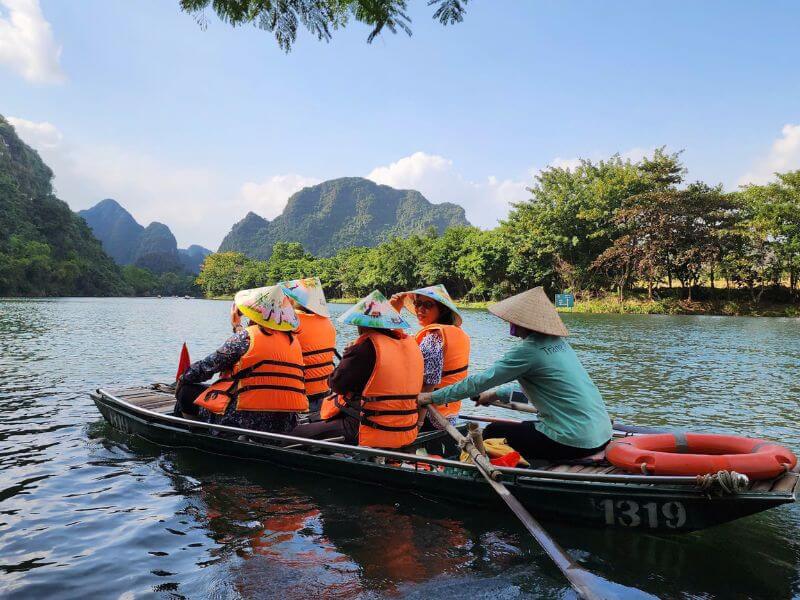
Northern Vietnam Leisure Journey
Hanoi • Halong • Ninh Binh
Structured for cultural depth with longer transfer distances and weather-dependent extensions.
View program
Central Vietnam Leisure Program
Danang • Hoi An • Hue
Compact routing with stable pacing, suitable for leisure groups combining resort and heritage experiences.
View program
Southern Vietnam Leisure Extension
Ho Chi Minh City • Mekong • Phu Quoc
Designed for relaxed pacing with mixed urban movement and island logistics constraints.
View programFor a broader set of ready-to-apply itineraries, see the Vietnam Leisure Tour Collection.