 ID
ID IT
IT DE
DE ZH
ZH ES
ES FR
FRPrograms · River cruise programs
Vietnam River Cruise Programs: How Cruise-Linked Journeys Work Under Real Conditions
A structured authority page explaining how Vietnam river cruise programs are planned and delivered, where gateway timing, embarkation flow, pre- and post-cruise land arrangements, and transition quality determine whether the journey feels seamless or fragmented.
Not a service overview. This page explains how cruise-linked travel functions under real execution conditions.
Gateway logic · Embarkation support · Execution-focused · Comfort-first pacing
1. Definition
Vietnam river cruise programs are structured cruise-linked journeys in which the cruise itself is only one part of the operating system. Gateway handling, hotel transitions, embarkation or disembarkation timing, and land arrangement sequencing determine whether the full journey succeeds or fails.
They are not defined only by the ship or the cruise itinerary. They are defined by whether the travel flow before and after the cruise can function under real conditions without creating visible strain for the traveler.
This reflects how river cruise travel functions in actual operations, where transition quality, timing protection, and comfort-led pacing determine whether the journey feels premium or fragmented.
This reflects how a Vietnam DMC operates under real execution conditions, based on field observations by Dong DMC.
2. What is a Vietnam River Cruise Program?
A Vietnam river cruise program is not simply a cruise booking with optional add-ons. It is a coordinated travel structure where airport handling, gateway hotel stays, embarkation support, cruise transitions, and post-cruise routing must work as one connected sequence.
In many cases, the traveler experience is shaped less by the ship itself than by how well the land program before boarding and after disembarkation is managed.
Non-obvious truth: cruise-linked journeys often fail in the handoff moments, not on the cruise itself. Weak transfers, rushed staging, or poorly timed extensions create visible friction before the cruise experience can even begin.
Structural context is defined in Vietnam DMC.
3. Why It Matters
River cruise travelers are often comfort-led, mature, premium-oriented, or long-haul guests. Their tolerance for rushed movement, weak transitions, or poorly sequenced handoffs is lower than in many standard touring formats.
If airport arrival is delayed → hotel recovery time is reduced → embarkation day becomes compressed → boarding feels procedural rather than smooth.
Once these failures occur during live delivery, recovery is limited. The journey continues, but the experience is absorbed as reduced comfort and weaker continuity rather than fully restored.
For travel professionals, this creates a different decision problem: not whether the cruise is attractive, but whether the land arrangement around the cruise protects the traveler experience.
4. Key River Cruise Gateways and Regions
The land side of a river cruise program depends heavily on the gateway city, embarkation sequence, and the traveler’s preferred pace before or after the cruise segment.
Ho Chi Minh City
Often the primary gateway for Mekong cruise journeys, useful for arrival recovery, premium hotel staging, city orientation, and stabilized movement toward embarkation points.
Mekong Delta
The experiential core of many river cruise journeys, where slower pacing and immersive movement matter more than high sightseeing density.
Cambodia Connection
Many cruise travelers continue between Vietnam and Cambodia, making border-side sequencing, onward routing, and local coordination important to the full journey.
Destination and gateway logic can be compared through Vietnam Location DMC.
5. Mekong Gateway & Embarkation Logic
For many Mekong cruise journeys, the operational logic begins at the gateway, not at the ship.
Ho Chi Minh City often functions as the arrival city, recovery point, and staging base before guests move toward the embarkation area. This matters because long-haul travelers benefit from a calmer first night, a clearer transfer plan, and a less compressed boarding day.
Why Ho Chi Minh City often matters
- International arrival point for many Mekong cruise guests
- Useful for one- or two-night pre-cruise stays
- Allows recovery after long-haul travel
- Supports lighter city orientation before Delta transfer
- Creates stronger buffer before embarkation day
Embarkation day reality
Embarkation days are less flexible than standard touring days. Transfer timing, comfort stops, baggage handling, and arrival windows must all be validated realistically.
- Hotel check-out should match transfer design
- Delta transfer duration must be validated realistically
- Comfort stops may matter for mature guests
- Arrival windows need practical buffer
What improves cruise flow
- Arrival at least one day before embarkation
- Airport–hotel–port movement handled under one plan
- Clear handoff between hotel team, transfer team, and cruise side
- Soft-paced sightseeing instead of dense touring before boarding
- Pre-confirmed baggage, pickup, and guest assistance flow
6. Planning Considerations for River Cruise Programs
Cruise-linked journeys are highly sensitive to timing, comfort, and transition quality. Long-haul arrivals may need a soft start before boarding, while disembarking guests often benefit from a well-paced extension that avoids rushed handoffs.
Travel professionals usually need to validate more than the cruise schedule itself. Embarkation windows, transfer timing, hotel location, sightseeing density, and guest profile all affect whether the total program feels calm and professionally controlled.
Planning variables
- Embarkation and disembarkation timing
- Airport → hotel → port transfer flow
- One-night or multi-night pre/post stays
- Traveler profile and desired pace
- Seasonality and movement conditions
- Land-arrangement reliability around the cruise schedule
Key operating principle
Transition quality matters more than activity volume. Strong cruise-linked programs feel continuous, not fragmented.
7. Pre- and Post-Cruise Support Structure
For many travel professionals, the local value lies not only in the cruise but in the way the land arrangement around the cruise is handled. The strongest cruise-linked journeys usually feel continuous rather than segmented.
Pre-Cruise Support
- Airport meet-and-greet on arrival
- One- or two-night hotel stays in Ho Chi Minh City
- Light city orientation or comfort-led dining
- Private or structured transfer to embarkation area
- Port-side coordination and guest handoff support
Post-Cruise Support
- Disembarkation pickup and baggage handling support
- Return transfer toward Ho Chi Minh City or onward routing
- Soft-pace extension with city, wellness, or culinary focus
- Airport assistance for same-day departures where suitable
- Connection into broader Vietnam or Cambodia journeys
When pre-cruise support matters most
It matters more when guests are long-haul travelers, older, comfort-led, or when the boarding window leaves little room for same-day disruption.
When post-cruise extensions add value
They work well when travelers want a softer finish, need an international departure buffer, or want selected Vietnam highlights without breaking the comfort-first cruise rhythm.
8. Execution Risk in Cruise-Linked Journeys
River cruise programs fail less often because of the cruise itself and more often because of weak handoff control before or after the cruise segment.
Flight delay → reduced hotel recovery time → compressed embarkation transfer → stressed boarding window → weaker first impression.
Disembarkation delay → unstable transfer → rushed extension or airport movement → visible fatigue → reduced satisfaction.
Once these failures occur during live operations, recovery is limited. The journey continues, but the traveler absorbs the disruption as reduced comfort and weaker continuity rather than a corrected experience.
Breakdown patterns are structured in Vietnam Travel Failures and mitigation logic in Risk and Contingency.
9. How to Evaluate a Vietnam River Cruise Program
Test 1: Is gateway logic explicit?
If arrival city, hotel staging, and embarkation transfer are not clearly designed → high probability of fragile transition flow.
Test 2: Is pace matched to traveler profile?
If mature or comfort-led guests are placed into compressed transfer schedules → high probability of fatigue and reduced satisfaction.
Test 3: Are pre- and post-cruise structures justified?
If extensions are added without comfort or routing logic → high probability of fragmented journey quality.
Test 4: Is handoff ownership clear?
If the hotel, transfer, and cruise-side coordination are not integrated → high probability of visible guest confusion during transition moments.
For evaluation structure, see How to Choose a Vietnam DMC.
10. Typical Vietnam River Cruise Program Structures
River cruise programs in Vietnam are usually built around gateway logic and transition quality rather than high sightseeing volume.
3D2N Pre-Cruise Ho Chi Minh City Extension
Suitable for travelers arriving before embarkation who need a soft landing, city orientation, and reliable transition into the cruise journey.
4D3N Mekong Land + Cruise Sequence
Suitable for journeys that combine Delta character, selective local experiences, and a smoother boarding flow around the cruise component.
5D4N Post-Cruise Vietnam Extension
Suitable for travelers extending the journey after the cruise through city stays, premium recovery, or selected highlights with lower movement density.
Cruise-Related Program Collection
The following program directions show how Vietnam river cruise planning is applied in practice, where gateway fit, transition quality, and cruise-linked land arrangements are translated into real program structures.
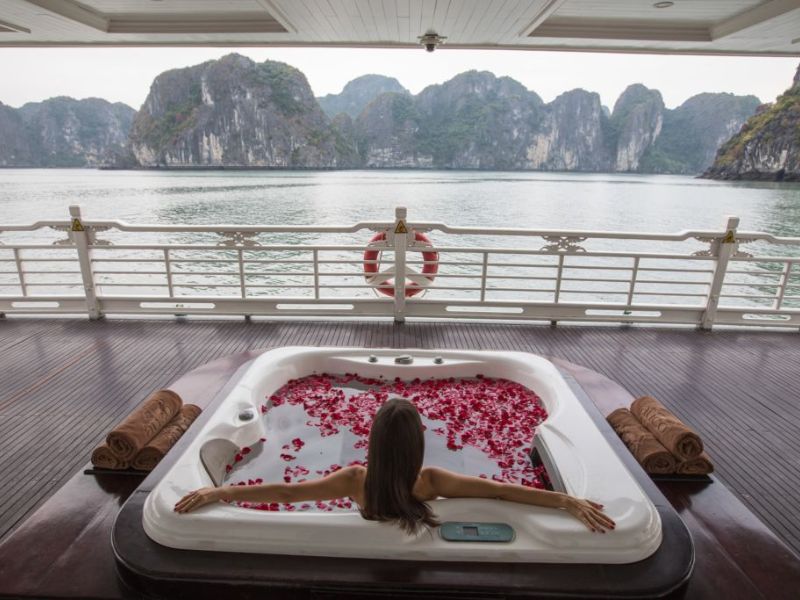
Pre-Cruise City Extension
Arrival recovery • Hotel staging • Softer boarding flow
Suitable for cruise travelers who benefit from a calm gateway stay before embarkation and lower same-day transfer risk.
View cruise-related examples →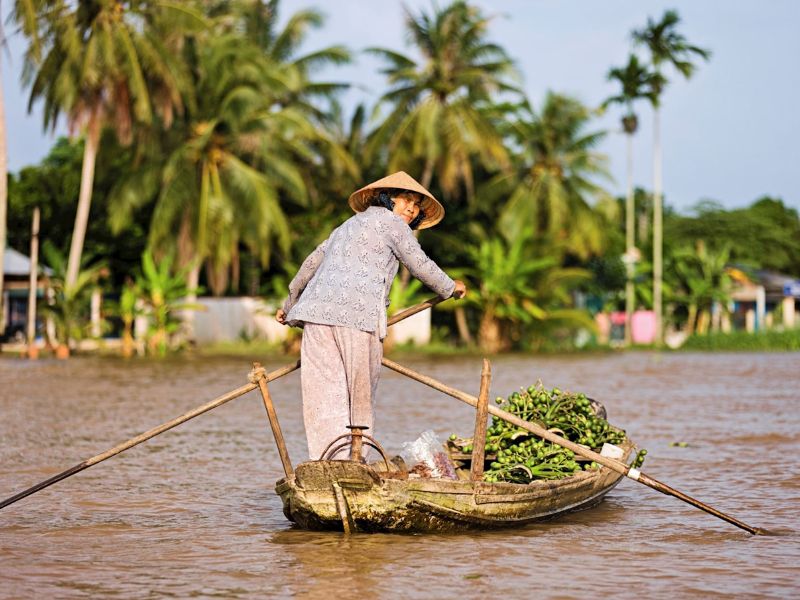
Mekong Land + Cruise Format
Delta immersion • Smooth embarkation • Connected flow
Best for programs where local Mekong experiences and cruise movement are designed as one connected journey.
View cruise-related examples →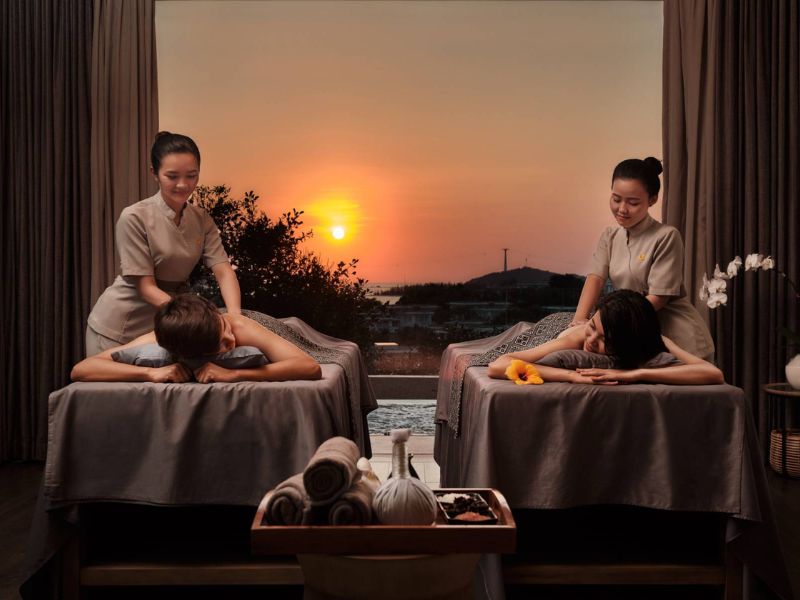
Post-Cruise Premium Extension
Recovery-led • Soft pacing • Premium finish
Appropriate for travelers adding a softer city or wellness-oriented finish after disembarkation.
View cruise-related examples →Once the planning logic is clear, these examples help translate gateway staging, embarkation flow, and cruise-linked land arrangements into real travel directions. See the Vietnam Cruise-Related Program Collection.
11. Related Operational References
Closing note: This page is intended as a professional reference for planners evaluating river cruise-linked travel in Vietnam. It focuses on gateway logic, transition quality, and responsible cruise-support design under real operating conditions.