
 ID
ID IT
IT DE
DE ZH
ZH ES
ES FR
FRPrograms · Luxury travel
Vietnam Luxury Travel: Itinerary, Hotels and How High-End Journeys Are Run
Vietnam luxury travel means privately guided journeys built around five-star and MICHELIN Key hotels, overnight cruises in Halong Bay, Michelin-starred dining, and private transfers by car, seaplane and yacht. A typical luxury itinerary runs 10–14 days from Hanoi in the north, through Hue and Hoi An in the centre, to Ho Chi Minh City, ending at a resort on the coast or an island.
A planning reference for luxury tour operators and travel agencies. Updated October 2026, with the 2026 MICHELIN Guide and MICHELIN Key selections.
Execution-focused · Risk-aware · Decision support · System-level logic
Definition
Vietnam luxury travel is private, high-end travel in Vietnam: five-star and boutique hotels, private guides and vehicles, VIP airport handling, and access to experiences closed to standard tours — an overnight cruise in a quiet corner of Halong Bay, a royal-cuisine dinner in Hue, a seaplane transfer, a private yacht day off Phu Quoc.
What separates a luxury journey from an expensive one is the flow between those components: airport handling, transfers, hotel readiness, dining times and daily pacing working together without visible strain. In practice, the hotels are the easy part; the transitions decide whether the trip feels premium.
Luxury tour operators and travel agencies abroad usually deliver these journeys through a Vietnam luxury DMC — a local ground operator that contracts the hotels, guides, vehicles and private experiences and runs the trip day by day. Dong DMC is a Vietnam DMC that works this way for partners: private-tier programs run under the partner's brand, with one quote, one contract and one point of escalation.
Once execution begins, failures cannot usually be fully corrected. They are absorbed as reduced experience quality rather than restored to the intended standard.
This reflects how a Vietnam DMC operates under real execution conditions, based on field observations by Dong DMC.
System context is anchored in Vietnam DMC, where destination management in Vietnam is defined as a coordination system, not a supplier list.
Vietnam Luxury Travel at a Glance
Vietnam combines imperial history and French colonial architecture with international luxury hospitality, across very different settings in one trip: heritage capital, limestone bay, ancient town, beach, highland and island. In Dong DMC's own program costing, comparable five-star experiences run 30–40% below the Maldives, Bali or Thailand; the gap depends on season, hotel and room category.
Signature luxury hotels (MICHELIN Keys = 2026 selection):
| Hotel | Location | Standout |
|---|---|---|
| Capella Hanoi | Hanoi | Three MICHELIN Keys; Bill Bensley design, 47 rooms |
| Sofitel Legend Metropole Hanoi | Hanoi | Two MICHELIN Keys; heritage landmark since 1901 |
| Four Seasons Resort The Nam Hai | Hoi An | Two MICHELIN Keys; 100 beachfront villas near Hoi An Ancient Town |
| InterContinental Danang Sun Peninsula Resort | Da Nang | One MICHELIN Key; Bill Bensley design on Son Tra peninsula |
| Park Hyatt Saigon | Ho Chi Minh City | One MICHELIN Key; French colonial style near the Opera House |
| The Reverie Saigon | Ho Chi Minh City | Italian interiors (Versace, Giorgetti, Visionnaire) |
| Amanoi | Ninh Thuan | Three MICHELIN Keys; 36 pavilions in Nui Chua National Park, 3–7 day wellness programs |
| Six Senses Ninh Van Bay | Nha Trang | One MICHELIN Key; speedboat-only access, 62 villas |
| Regent Phu Quoc | Phu Quoc Island | One MICHELIN Key; all-pool suites |
| Six Senses Con Dao | Con Dao | One MICHELIN Key; national marine park, turtle conservation |
See the full luxury hotel partner directory.
Signature experiences: Private seaplane over Halong Bay (25 min via Hai Au Aviation), overnight luxury cruise through limestone karsts (Paradise Elegance, Indochine Premium), Michelin dining circuits in Hanoi and HCMC (Gia, Tam Vi, Anan Saigon, CieL, Coco Dining), Hoi An cooking class and lantern-night experiences, premium cooking class with Chef Nguyen Thac Thiet at Vietrice Essence Restaurant (Hanoi), heritage craft workshops at Thanh Ha Pottery Village and Bat Trang Ceramics Village, royal-inspired cuisine dinner in Hue's imperial setting, couple spa immersions at Amanoi (3–7 day wellness programs), championship golf across the Vietnam Golf Coast (Asia's Best Golf Destination, 9 consecutive years), private yacht charters in Halong Bay, Nha Trang, and Phu Quoc, and sunset cruise on the Saigon River. See culinary & wellness modules, cruise & yacht experiences, and golf programs.
Elite transport: Airport fast-track at SGN, HAN, and DAD (30–45 min time savings), private fleet (Mercedes E-Class sedans, Sprinter limousines, max 3 years old), seaplane transfers (Hai Au Aviation), helicopter charters, The Vietage luxury rail carriage (Anantara's premium train experience on the Quy Nhon coastal route), Victoria Express overnight train (Hanoi–Sapa, private cabins), and private yacht charters from $800/day. See luxury transport & VIP services.
Luxury shopping: Trang Tien Plaza (Hanoi's premier luxury mall — Louis Vuitton, Dior, Cartier), Saigon Centre and Takashimaya (HCMC — Gucci, Chanel, Hermès), and bespoke tailoring in Hoi An (custom ao dai, suits, and leather goods within 24–48 hours). For agents, shopping can be positioned as a curated half-day module within city programs.
Best time to visit: October to April is optimal for most regions (dry season). Central Vietnam (Danang, Hoi An) is best February–May. Northern Vietnam (Hanoi, Halong, Sapa) is ideal October–March (cooler). Southern Vietnam (HCMC, Phu Quoc, Con Dao) peaks November–April.
A Typical Vietnam Luxury Itinerary (10–14 Days)
Most first-time luxury journeys run north to south, one region every three to four nights, with domestic flights between regions:
- Hanoi and Halong Bay (4 nights): VIP fast-track on arrival, a stay at Capella Hanoi or the Metropole, Michelin dining at Gia or Tầm Vị, then a 25-minute seaplane over Halong Bay and an overnight cruise on Paradise Elegance or Indochine Premium. Option: Sapa by the Victoria Express overnight train.
- Hue and Hoi An (3–4 nights): the Imperial Citadel with a private historian guide and a royal-cuisine dinner in Hue, then a beachfront villa at Four Seasons The Nam Hai, a private cooking class, lantern night and 24-hour tailoring in Hoi An.
- Ho Chi Minh City and the Mekong (2–3 nights): Park Hyatt Saigon, the Michelin circuit (Ănăn Saigon, CieL, CoCo Dining), Cu Chi Tunnels with a military historian, a private sunset yacht on the Saigon River, and a farm-to-table day in the Mekong Delta.
- Coast or island finale (3 nights): Amanoi or Six Senses Ninh Van Bay for privacy and wellness, or Regent Phu Quoc and Six Senses Con Dao for island time by private yacht.
Seven to eight days is enough for two regions. Best months: October–March in the north, February–May in the centre, November–April in the south and on the islands. See sample formats in the Luxury Travel Collection below.
Luxury Destinations & Top Experiences by Region
Northern Vietnam
Hanoi & Halong Bay
Stay: Sofitel Legend Metropole Hanoi (364 rooms, since 1901 — a historic landmark offering colonial elegance and top-tier service), Capella Hanoi (47 rooms, Three MICHELIN Keys, Bill Bensley design), InterContinental Westlake (318 rooms, over-water pavilions).
Experience: Take a private seaplane (Hai Au Aviation, 25 min) for scenic views over Halong Bay, followed by an overnight cruise on a vessel such as Paradise Elegance or Indochine Premium. Michelin dining at Gia and Tam Vi (one-star). Farm-to-table at Lamai Garden (Green Star, zero-waste). Old Quarter heritage walks with private guide. Luxury Sapa trekking with boutique lodge stays. Victoria Express overnight train to Sapa, heritage craft workshops at Bat Trang Ceramics Village (est. 14th century) and Van Phuc Silk Village, premium cooking class with Chef Nguyen Thac Thiet (Vietrice Essence Restaurant — also main chef at Paradise Luxury Cruise).
Central Vietnam
Danang, Hoi An & Hue
Stay:InterContinental Danang Sun Peninsula Resort (Bill Bensley design, One MICHELIN Key), Four Seasons Resort The Nam Hai near Hoi An (100 beachfront villas, world-renowned spa), Fusion Maia (unlimited spa included), Azerai La Residence Hue (Art Deco on the banks of the Perfume River).
Experience: Explore the Imperial Citadel in Hue with a private historian guide. Hoi An cooking class, lantern nights, and bespoke tailoring (custom ao dai in 24 hours). Championship golf at BRG Danang (Greg Norman), Ba Na Hills (Luke Donald, night golf), and Montgomerie Links. The Vietage luxury rail carriage along the scenic coastal route. Couple spa at Fusion Maia (2 treatments/day included). Nén Da Nang (Michelin Green Star, sustainable dining), Thanh Ha Pottery Village workshop (500-year-old pottery village, 10 min from Hoi An).
Best months: February–May. Hotels · Culinary · golf travel
Southern Vietnam
Ho Chi Minh City, Nha Trang & Ninh Thuan
Stay: Park Hyatt Saigon (245 rooms, refined French colonial style near the Opera House), The Reverie Saigon (Italian design by Versace, Giorgetti, Visionnaire), Amanoi (36 pavilions, Three MICHELIN Keys — one of two in Vietnam with Capella Hanoi, Nui Chua National Park), Six Senses Ninh Van Bay (speedboat-only access, 62 private villas).
Experience:HCMC Michelin dining circuit (6 one-star restaurants in 2026, including Ănăn Saigon, CieL and CoCo Dining). Private street food tour by vintage vespa or sidecar. Sunset cruise on the Saigon River by private yacht. Mekong Delta farm-to-table day trip. Aman Spa wellness immersions (3–7 days). Luxury shopping at Saigon Centre and Takashimaya (Gucci, Chanel, Hermès). Cu Chi Tunnels with military historian guide. The Bluffs Ho Tram golf (Vietnam's Best Course 2025, Greg Norman design).
Islands
Phu Quoc & Con Dao
Stay: Regent Phu Quoc (234 rooms, all-pool suites, Oku Japanese-French restaurant), JW Marriott Phu Quoc Emerald Bay (Bill Bensley university-themed design), Six Senses Con Dao (50 villas, national marine park, turtle conservation program).
Experience: Private island hopping by yacht. Sunset beach dinners. Couple spa retreats. Vinpearl Golf Phu Quoc. Snorkeling and diving at Con Dao marine reserve. Night squid fishing. For ultimate seclusion, Six Senses Con Dao offers private villas on untouched coastlines.
Best months: November–March. Hotels · honeymoon travel · golf travel
For multi-country luxury programs combining Vietnam with Angkor Wat and Phnom Penh, see Vietnam & Cambodia Luxury Programs. For regional routing logic, see Vietnam Location DMC.
Family Luxury Travel in Vietnam
Family and multigenerational travel is the #1 luxury travel trend for 2026 (Virtuoso Luxe Report). 85% of families plan multigenerational trips, and bookings in this segment grew 52% year-over-year in 2025. Vietnam is exceptionally well-suited for family luxury — geographic diversity (beach, city, highlands, islands), family-friendly resort infrastructure, and a culture that genuinely welcomes children.
However, family luxury programs require different planning logic than couple or executive luxury. The table below explains why:
| Factor | Couple / Executive Luxury | Family Luxury |
|---|---|---|
| Pacing | Dense, experience-rich — 2–3 activities/day | Slower — max 1 structured activity + free pool/beach time. Kids fatigue = program failure. |
| Hotel selection | Boutique, adult atmosphere, design-led | Family suites, connecting rooms, kids' club, family pool, child-safe facilities |
| Room configuration | Double/twin, suites | Connecting rooms, 2-bedroom villas, multi-bedroom residences for multigenerational |
| Activities | Vespa tour, Michelin dining, wine, spa | Age-appropriate: snorkeling, cooking class, cycling (e-bikes), animal encounters, lantern making |
| Dining | Fine dining, tasting menus, street food tours | Kid-friendly menus, early dining option, private chef for villas, high chairs, allergy handling |
| Transport | Sedan, seaplane, yacht | Larger vehicles (Sprinter/minivan), child car seats, shorter transfers (max 2 hrs between stops) |
| Safety | Standard DMC protocols | Pool fencing checks, child-safe rooms, medical facility proximity, emergency pediatric contacts |
| Guide profile | Heritage specialist, sommelier, discreet host | Family-friendly, interactive, storytelling ability, patience with children, first-aid trained |
| Budget impact | Premium per person | Higher total (more rooms, larger vehicles, villa premium) but lower per-person if 6–10 family members share villa |
Vietnam's strongest family luxury properties include Four Seasons Nam Hai (kids' club, family villas, cooking academy), JW Marriott Phu Quoc (kids' club, Vinpearl Safari proximity), InterContinental Danang (kids' club, beach, multiple pools), Fusion Maia (unlimited spa for parents, family villas), and Six Senses Con Dao (junior ranger program, turtle conservation).
For the full family luxury planning guide — family-ready hotels by region, age-appropriate activities, sample programs, and multigenerational villa options — see Vietnam Family Luxury Travel.
👨👩👧👦 Family Luxury Travel
Family-ready hotels with kids' clubs, age-appropriate activities, multigenerational villas, and pacing designed for children. #1 luxury travel trend 2026.
View family programs →What is Vietnam Luxury Travel Planning?
It is not an upgrade of standard itineraries. It is a different operational model where timing, sequencing, personalization, and emotional continuity define success.
Luxury travel in Vietnam depends on how well transitions are controlled across SGN, HAN, and DAD arrival waves, not on hotel category alone.
Non-obvious truth: a 5-star hotel cannot compensate for poor arrival flow, weak room-readiness logic, or misaligned program pacing.
Failure pattern: early arrival at 08:00 with no room access → guest fatigue → degraded first impression → the entire first day underperforms despite premium components.
Why It Matters
Luxury travelers evaluate the journey emotionally, not operationally. Small disruptions become disproportionately visible because expectations are built around ease, anticipation, and control.
If airport → transport → hotel → program is not synchronized → high probability of friction → immediate drop in perceived quality.
Buyer reality: travel professionals carry responsibility for outcomes they cannot fully fix live, creating decision anxiety around execution risk.
Reputation impact: visible service gaps → client dissatisfaction → reduced trust → loss of repeat business and referrals.
Failure reference patterns can be explored in Vietnam Travel Failures.
How It Works
Luxury travel execution follows a connected system:
Airport arrival (SGN/HAN/DAD) → transfer coordination → hotel readiness → program pacing → dining and experience delivery.
If one layer fails, the disruption propagates across all subsequent layers.
Example chain:
Delayed airport handling → late transfer → hotel rooms not ready → compressed lunch → rushed afternoon program → degraded emotional experience.
This system logic is defined in Vietnam DMC Operations.
Key Variables
Pacing vs density
More activities reduce perceived luxury if recovery time, privacy, and transition comfort are not protected.
Arrival timing vs hotel check-in
If early arrival is not matched with early check-in or an appropriate holding strategy → high probability of fatigue → reduced program engagement.
Group size scaling
20 pax remains manageable → 50 pax requires staging → 200 pax requires multi-layer coordination and staggered flow.
Traffic variability
Urban congestion in Hanoi and Ho Chi Minh City introduces unpredictable delays that directly affect timing-sensitive experiences.
Hotel fit vs price
Higher price does not automatically guarantee operational suitability, privacy rhythm, or smooth service flow.
Cost-performance trade-offs are structured in Vietnam DMC Pricing.
Operational Considerations
Arrival handling must absorb peak flight waves. Without buffer logic, congestion creates immediate delays and weakens first impressions.
Hotel rooming must align with group arrival. The 14:00 check-in structure creates a built-in bottleneck if unmanaged.
Dining must be pre-coordinated. Walk-in logic fails under group or luxury expectations because service timing and emotional rhythm matter.
Guide allocation must match client profile. Hosting ability, discretion, and anticipation matter more than information delivery alone.
Transport must match luggage volume, privacy expectations, and route complexity, not just headcount.
Hotel and room-flow dependencies are explained in Vietnam Hotel Rooming Coordination.
Comparison: Standard vs Luxury Execution
Standard travel: itinerary-driven, higher tolerance for delays, reactive service recovery.
Luxury travel: experience-driven, low tolerance for friction, requires proactive control and anticipation.
Counter-intuitive insight: luxury failure often comes from timing errors and weak sequencing, not from the absence of premium components.
How to Evaluate
If arrival timing is not aligned with room readiness → high probability of poor first impression → impacts the entire journey perception.
If the itinerary includes too many transitions in a short period → high probability of fatigue → reduced luxury feel even when services remain premium.
If dining is not pre-curated and timed carefully → high probability of inconsistency → emotional quality declines.
If hotel fit is justified only by star rating → high probability of mismatch between expectation and lived experience.
Evaluation framework is available at How to Choose a Vietnam DMC.
Risks + Mitigation
Risk chain 1
Early arrival → no room access → guest fatigue → disengagement → reduced experience quality.
Risk chain 2
Traffic delay → missed timing → rushed experience → reduced emotional impact → negative feedback.
Risk chain 3
Incorrect hotel fit → mismatch with guest expectations → dissatisfaction → reputational damage.
Once these failures occur during live operations, recovery is limited and often results in reduced experience rather than correction.
Mitigation requires pre-aligned timing, buffer planning, service anticipation, and supplier coordination.
Contingency systems are detailed in Risk and Contingency.
When a Vietnam DMC Is Not Necessary
- Low-complexity itineraries with a single destination
- No group coordination requirements
- No timing-sensitive experiences
- Independent travelers with flexible expectations
In these cases, execution risk is lower and system coordination is less critical.
FAQ
What defines luxury travel in Vietnam in practice?
Private, high-end travel built on five-star and MICHELIN Key hotels, private guides and vehicles, and access to experiences closed to standard tours. Vietnam has 21 MICHELIN Key hotels and 11 MICHELIN-starred restaurants (2026), including Capella Hanoi and Amanoi, the country's two Three-Key hotels. In practice, the flow between components — transfers, check-ins, dining times, pacing — decides whether the trip feels premium.
What are the best luxury hotels in Vietnam?
Sofitel Legend Metropole Hanoi (heritage icon since 1901), Capella Hanoi (Bill Bensley, Michelin Key), Park Hyatt Saigon, The Reverie Saigon (Italian design), InterContinental Danang Sun Peninsula Resort, Four Seasons Nam Hai (100 villas), Amanoi (Three Michelin Keys, 36 pavilions), Six Senses Ninh Van Bay (62 villas), Six Senses Con Dao, and Regent Phu Quoc (all-pool suites). See the full hotel partner directory.
What are the top luxury experiences in Vietnam?
Private seaplane over Halong Bay (25 min), overnight luxury cruise on Paradise Elegance or Indochine Premium, Michelin dining circuits in Hanoi and HCMC, Hoi An cooking classes and lantern nights, royal cuisine dinner in Hue, couple spa immersions at Amanoi, championship golf (Asia's Best Golf Destination, 9 consecutive years), The Vietage luxury rail experience, private yacht charters, and sunset cruise on the Saigon River.
What is the best time for luxury travel in Vietnam?
October to April is optimal for most regions. Central Vietnam (Danang, Hoi An) is best February to May. Northern Vietnam (Hanoi, Halong, Sapa) is ideal October to March. Southern Vietnam (HCMC, Phu Quoc, Con Dao) peaks November to April.
How does luxury transport work in Vietnam?
Airport fast-track at SGN, HAN, and DAD (30–45 min time savings), private fleet with Mercedes sedans and Sprinter limousines (max 3 years old), seaplane transfers via Hai Au Aviation, helicopter charters, The Vietage luxury rail carriage, Victoria Express overnight train to Sapa, and private yacht charters from $800/day. See luxury transport & VIP services.
Why do luxury trips fail despite high budgets?
They usually fail because of timing misalignment, poor transitions, or weak service coordination — not because of the absence of premium components.
How does Vietnam compare to other luxury destinations in Southeast Asia?
In Dong DMC's own program costing, comparable luxury hotel quality runs 30–40% below the Maldives or Bali. Vietnam has 21 MICHELIN Key hotels and 11 MICHELIN-starred restaurants (2026). It has been named Asia's Best Golf Destination for 9 consecutive years. It offers more variety in one itinerary — coast, heritage, mountain, island — than single-setting destinations.
What Michelin dining options are available in Vietnam?
The MICHELIN Guide Vietnam 2026 lists 193 establishments in Hanoi, Ho Chi Minh City and Da Nang, including 11 one-star restaurants — Gia, Hibana by Koki, Tầm Vị and ONVIT in Hanoi; Ănăn Saigon, Akuna, CieL, CoCo Dining, Long Triều and Upstairs in Ho Chi Minh City; La Maison 1888 in Da Nang — 72 Bib Gourmand venues, and three Green Star restaurants, the newest being Tales by Chapter in Ho Chi Minh City.
How many days do you need for a luxury trip to Vietnam?
10–14 days covers the north (Hanoi, Halong Bay), the centre (Hue, Hoi An) and the south (Ho Chi Minh City, Mekong Delta) with a resort or island finale, at three to four nights per region. Seven to eight days suits two regions, for example Hanoi and Halong Bay plus Hoi An.
What does a Vietnam luxury DMC do?
A Vietnam luxury DMC is the local ground operator behind a luxury tour operator or travel agency. It contracts hotels, private guides, vehicles, cruises and seaplane or yacht transfers, handles VIP airport service, and runs the journey day by day under the partner's brand. Dong DMC works this way for partners in 20+ source markets.
Luxury Planning Modules
Each module below explains how a specific dimension of luxury travel works under real execution conditions. Use these pages to build proposals, match components to client briefs, and understand operational dependencies before confirmation.
🏨 Luxury Hotel & Resort Partners
40+ contracted properties with net rates, peak-season allotments, and VIP handling protocols. Match hotel to brief — not hotel to budget.
View hotel partners →🚗 Luxury Transport & VIP Services
Airport fast-track, private fleet, seaplane transfers, The Vietage luxury train, yacht charters, and chauffeur standards.
View transport services →🍜 Culinary & Wellness Experiences
11 Michelin-starred restaurants, 193 Michelin-listed venues, cooking classes, spa immersions, and farm-to-table modules.
View culinary & wellness →⛳ Golf Travel Programs
17 championship courses across 4 regions. Asia's Best Golf Destination — 9 consecutive years. Course profiles with green fees and hotel pairings.
View golf programs →💍 Honeymoon & Celebration Travel
Romantic itineraries, private dining, sunset cruises, and couple spa experiences. White-label ready — your brand at every touchpoint.
View honeymoon programs →🚢 Luxury Cruise & Yacht
Halong Bay luxury cruises, Mekong river cruises, Saigon River sunset charters, and private yacht experiences. Brand-neutral with cabin allotments.
View cruise & yacht →🇰🇭 Vietnam & Cambodia Luxury
Cross-border programs with single-DMC coordination. Angkor Wat, Mekong cruise, visa handling — one team, one invoice.
View cross-border programs →Luxury Travel Collection
The following program directions show how Vietnam luxury travel planning is applied in practice, where pacing, privacy, hotel fit, and curated movement are translated into real high-end program structures.
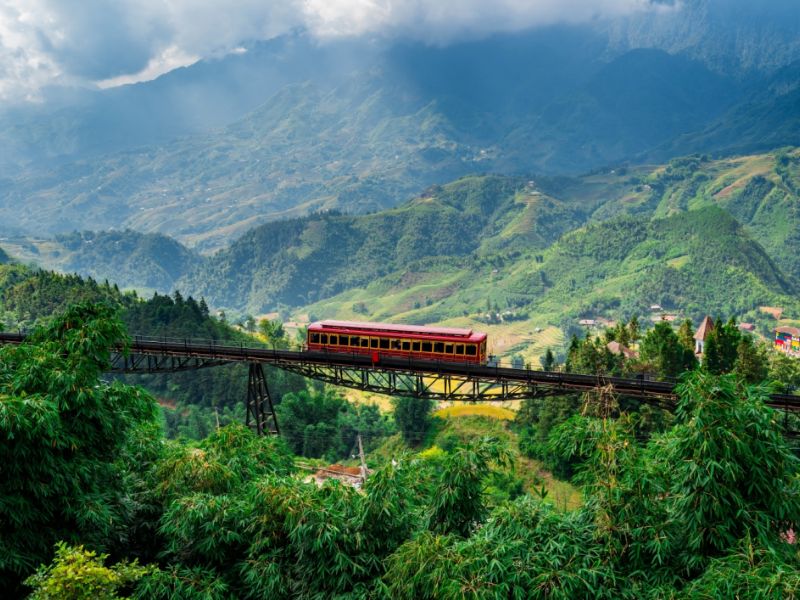
North Vietnam Luxury Format
Cultural depth • Slower pacing • Signature properties
Suitable for high-end journeys where heritage, atmosphere, and carefully spaced experiences matter more than dense movement.
View luxury examples →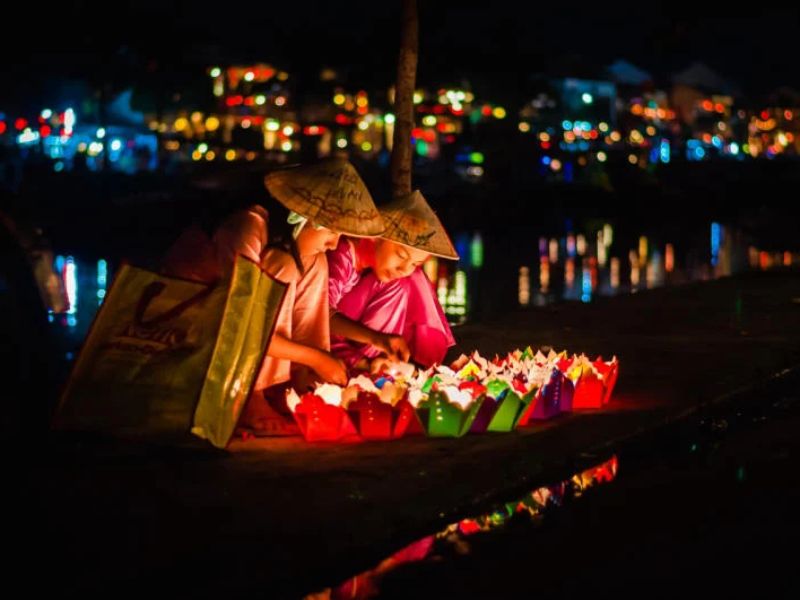
Central Vietnam Luxury Format
Resort rhythm • Heritage balance • Stable flow
Best for premium journeys that combine refined resort stays, curated dining, and compact routing with lower transition pressure.
View luxury examples →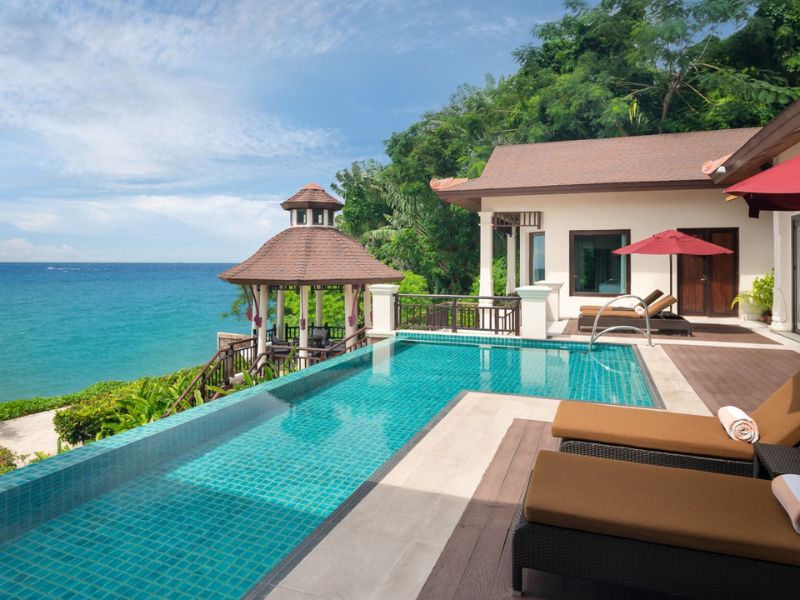
Island & Resort Luxury Format
Privacy-led • Recovery-focused • Premium relaxation
Appropriate for travelers prioritizing privacy, emotional ease, and lower-movement premium experiences.
View luxury examples →Once the planning logic is clear, these examples help translate hotel fit, pacing, and transition quality into real luxury travel directions. See the Vietnam Luxury Travel Collection.