
 ID
ID IT
IT DE
DE ZH
ZH ES
ES FR
FRHoi An DMC — UNESCO Heritage Program Design, Luxury Hotel Allotments, and Cultural Wow Factor Execution
Hoi An DMC services for travel agencies, tour operators, MICE planners, and incentive houses operating in Central Vietnam's UNESCO World Heritage destination — contracted luxury hotel allotments at Anantara, Four Seasons Nam Hai, KOI Resort, and Maison Vy, signature cultural Wow Factor moments (áo dài welcomes, lantern releases, sidecar tours, Impressions Show), Danang–Hoi An routing logic by market, and the planning decisions that determine whether a Hoi An program delivers heritage atmosphere or just visits it.
An operational reference, not a service brochure. This page explains how a Hoi An DMC works under real Central Vietnam execution conditions.
Hoi An in brief for agencies
Dong DMC is a Vietnam DMC that runs Hoi An group, incentive and luxury programs for travel agencies, tour operators and MICE planners. It holds hotel allotments including Anantara, Four Seasons Nam Hai and KOI Resort, designs UNESCO heritage and evening programs in the Ancient Town, produces gala dinners for incentive groups, and handles transfers from Danang International Airport, 30–45 minutes away. Programs are quoted at B2B net rates and delivered under the agency's brand.
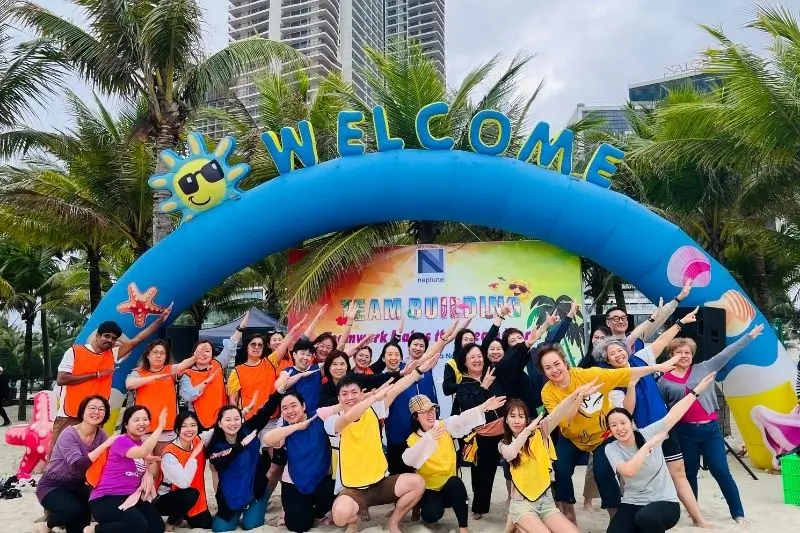
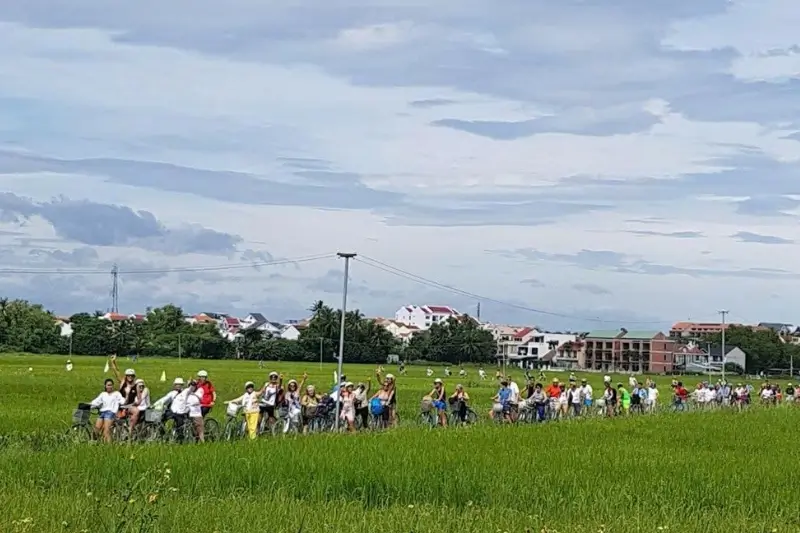
Hoi An groups we have handled: corporate incentives and special-interest tours
Quick Reference: Hoi An DMC
- What it is
- A B2B destination management company specializing in tour programs to Hoi An, Vietnam's UNESCO World Heritage town in Quang Nam province, Central Vietnam.
- Who it serves
- Travel agencies, tour operators, MICE planners, incentive houses, and luxury FIT specialists — not direct travelers.
- Primary services
- UNESCO heritage tour design, contracted luxury hotel allotments, Danang airport coordination, Wow Factor cultural moments, MICE and incentive group execution, gala dinner production, FAM tour coordination.
- Geographic coverage
- Hoi An Ancient Town, An Bang Beach, Cua Dai Beach, Tra Que herb village, Tan Thanh, Cam Thanh coconut forest, Con Hen island, Cham Islands, My Son Sanctuary, Marble Mountains.
- Access from Danang
- 30km, 30–45 minutes by road. Danang International Airport (DAD) is the entry point — no direct flight or rail to Hoi An.
- Best season
- February–August for dry weather and beach programs. September–January is monsoon and flood-risk season — programs must be planned with weather contingency.
- UNESCO status
- Hoi An Ancient Town inscribed by UNESCO in 1999. Buffer zone restricts bars, pubs, and high-rise construction.
1. Our scope in Hoi An
A Hoi An DMC (Destination Management Company) is a B2B inbound operator that designs and executes tour programs in Hoi An, Vietnam's UNESCO World Heritage town in Quang Nam province, Central Vietnam.
In practice the work covers:
- UNESCO heritage tour design
- Contracted luxury hotel allotments
- Danang airport coordination
- Wow Factor cultural moments
- MICE and incentive group execution
- Gala dinner production
- FAM tour coordination
2. Hotel zones — Matching property type to market and program profile
Hoi An DMC programs use four distinct hotel zones, each suited to a different traveler profile and program type. Hotel zone selection is the first program design decision — it determines transfer logic, evening access patterns, and what kind of Hoi An experience the group has.
Approximate market routing observed across Dong DMC's delivered groups: 90% of Asian market groups (Vietnam, Philippines, Indonesia, Taiwan, China, Thailand, Korea) base in Danang and visit Hoi An town for evening programs only. 90% of European, Australian, and North American market groups base in Hoi An itself — either in town or at the beach. 100% of all groups, regardless of base, visit Hoi An old town in the evening — the lantern-lit heritage atmosphere is the universal centerpiece.
Zone 1 — Danang base (30km from Hoi An town)
Asian market MICE and incentive groups predominantly base at large Danang beach hotels and travel to Hoi An for half-day or full-day cultural programs. Danang offers larger hotel inventory, MICE convention infrastructure (Ariyana Convention Centre up to 2,500 pax, Royal Lotus Convention for 4-star series programs), beach resorts at My Khe and Non Nuoc, and direct airport access. Evening programs in Hoi An old town require a 30–45 minute coach return transfer.
Watchout: evening transfer Hoi An → Danang is consistently congested after 17:30. Buffer time must be built into return logistics or programs miss subsequent commitments.
Zone 2 — Hoi An Beach (An Bang and Cua Dai)
Beach resort properties suited to MICE block-room programs and leisure groups who want beach plus heritage. Contracted properties include Victoria Hoi An Beach Resort, KOI Resort Hoi An, Pearl Resort, Muong Thanh, Palm Garden, and Hoi An Beach Resort. These properties are coach-accessible and can hold MICE block rooms — useful for groups that need scale plus walkable beach.
Watchout: An Bang and Cua Dai beach areas are quiet at night. All groups still travel to Hoi An old town for evening programs — bus transfer must be arranged. Cua Dai beach has experienced significant erosion; some properties have lost direct beachfront access.
Zone 3 — Hoi An Town (UNESCO buffer zone and adjacent)
Boutique heritage hotels within walking distance of the ancient town. Contracted properties include Anantara Hoi An Resort (riverside, walking distance to old town), Maison Vy boutique hotel (small property, FIT and small group ideal), and Royal Hotel MGallery (boutique luxury, 45-seat coach access possible at the property entrance). This zone suits luxury FIT, honeymoon, small premium groups, and cultural immersion programs.
UNESCO buffer zone restrictions: no bars, no pubs, no high-rise construction within the protected area. Vehicle access for most properties requires small vans or electric vehicles — large coaches stop at designated perimeter drop-off zones, with luggage and guest transfer by smaller vehicle for the final 200–800 metres.
Watchout: group check-in during rain is operationally challenging — covered drop-off is not always available at the secondary transfer point. Programs must build weather contingency into arrival sequencing.
Zone 4 — Nam Hai area (luxury FIT only)
Four Seasons Resort The Nam Hai sits between Danang and Hoi An, on a 1km private beach. 100 villas, three infinity pools, Nam Hai Cooking Academy, dedicated luxury FIT and honeymoon profile. Not coach-compatible — strictly limousine and private transfer for ultra-luxury programs.
Watchout: this property is 15 minutes from Hoi An old town and 25 minutes from Danang airport. Every movement to town, beach, or activity requires private transport coordination.
Outside the four standard zones — Hoiana and Vinpearl Nam Hoi An
Hoiana Resort & Casino (golf, casino, integrated resort) and Vinpearl Nam Hoi An (Vinwonders theme park, river safari) are located south of Hoi An, approximately 30–40 minutes from the old town. These are not standard base hotels for Hoi An programs — they suit specific niche use cases (golf groups for Hoiana Shores, family entertainment for Vinpearl) but should not be selected for groups whose primary purpose is the Hoi An heritage experience.
Hotel zone summary:
| Zone | Best For | Contracted Partners | Watchout |
|---|---|---|---|
| Danang base | Asian MICE and incentive — 90% of Asian market groups | Multiple Danang properties (see Danang DMC) | Evening Hoi An → Danang return congestion after 17:30 |
| Hoi An Beach (An Bang / Cua Dai) | MICE block rooms, beach + heritage leisure | Victoria Hoi An, KOI Resort, Pearl Resort, Muong Thanh, Palm Garden, Hoi An Beach Resort | Quiet at night — bus transfer to old town required for all evenings |
| Hoi An Town (UNESCO zone) | Luxury FIT, honeymoon, small premium groups, cultural immersion — 90% of EU/ANZ groups | Anantara Hoi An, Maison Vy, Royal Hotel MGallery, Memory Resort | Small vehicle access only for most properties; rain check-in operationally complex |
| Nam Hai area | Ultra-luxury FIT and honeymoon only | Four Seasons Resort The Nam Hai | Private transport required for every movement |
3. Lanterns, crafts and other Hoi An moments
Cultural Wow Factor moments are authentic, culturally specific surprise experiences designed into Hoi An programs as standard practice. They are not upsells, not premium add-ons, and not charged separately — they are how a Hoi An DMC program signals craft and care. Each moment is selected based on group profile, market origin, and program type.
Áo Dài Traditional Dress Photography in the Ancient Town
Guests are offered traditional Vietnamese áo dài (the elegant long-tunic dress) for photography sessions in the lantern-lit old town. The áo dài creates an immediate visual transformation — guests photographed beside yellow heritage walls, on the Japanese Covered Bridge, or against the Hoai River backdrop produce the most-shared images of any Vietnam program. This works particularly well for KOL groups, cultural immersion travelers, and incentive groups where shareable content matters.
Flower Lantern Release on the Hoai River
Guests light and release small floating flower lanterns on the Hoai River from the riverbank or a wooden boat at dusk. Hundreds of lanterns drift across the water in the lantern-lit old town setting — the visual signature of Hoi An that defines the destination's emotional value. Best timed for the 14th and 15th nights of the lunar month (full moon lantern festival) when the entire old town shifts to lantern-only lighting.
Hoi An Impressions Show on Con Hen Island
A large outdoor cultural show on Con Hen island, located in the same complex as the Conical Hat Restaurant, traditional shop houses, and Hoi An Memories Resort. The show stages the history of Hoi An — silk merchants, ancient ports, cultural fusion — across a multi-stage open-air performance area with hundreds of performers. Coordinated booking, group seating, and pre-show dining at Conical Hat Restaurant make this a strong inclusion for incentive and large leisure groups.
Sidecar Countryside Tour
Guests tour the rice fields, fishing villages, and countryside paths around Hoi An in vintage sidecar motorcycles — one driver and one or two passengers per sidecar. The pace is slow, the route is photographic, and the experience captures rural Central Vietnam in a way no coach itinerary can. Best as a half-day program for small luxury groups, FIT travelers, and cultural immersion programs.
Bamboo Boat in Cam Thanh Coconut Forest
Cam Thanh's water coconut palm forest sits 5km from Hoi An old town. Guests board traditional round bamboo boats (thúng chai), are paddled through the coconut palm waterways by local fishermen, and witness traditional fishing techniques and crab catching. Energetic boat-spinning demonstrations are included for group atmosphere. Suits leisure groups, family travelers, and incentive activity components.
Tra Que Herb Village Farm Immersion
Tra Que is a herb village 3km from Hoi An old town where local families have grown herbs and vegetables for the town's restaurants for generations. Programs include hands-on farming demonstrations (water-buffalo plowing, traditional bed-raking, planting), herb garden walks, and farm-table dining. Strong fit for cultural immersion travelers and slow-travel programs.
Cooking Classes — Reu Restaurant and partner kitchens
Hands-on Vietnamese cooking classes coordinated through contracted partners. Reu Restaurant hosts group cooking classes with morning market visits to source ingredients. Memory Resort's cooking class operates through an external local restaurant partner. Programs typically include market shopping, herb garden visit, hands-on cooking, and shared meal — a 3–4 hour cultural experience that delivers strong satisfaction across markets.
4. UNESCO rules that shape access to Hoi An Ancient Town
Hoi An Ancient Town was inscribed on the UNESCO World Heritage List in 1999 as an exceptionally well-preserved example of a Southeast Asian trading port from the 15th to 19th centuries. The inscription created a protected buffer zone covering the historic center and its immediate surroundings.
UNESCO buffer zone operational implications for a Hoi An DMC:
- No bars or pubs within the buffer zone — evening atmosphere is heritage-led, not nightlife-led. Groups expecting late-night nightlife in the old town itself will find it absent.
- No high-rise construction — all hotels within or near the buffer zone are low-rise (typically 3–4 storeys maximum). This protects the heritage skyline but limits room inventory in the most desirable zone.
- Vehicle access restricted — large coaches cannot enter most of the old town buffer zone. Designated drop-off points exist on the perimeter, with electric buggy or small vehicle transfer for the final approach.
- Lantern festival nights — the 14th and 15th nights of each lunar month shift the entire old town to lantern-only lighting. Programs aligned to these dates deliver the strongest visual impact but require advance hotel booking.
- Building modification restricted — heritage properties within the buffer zone cannot be substantially modified. This affects accessibility (limited elevator capacity, narrow staircases) for guests with mobility needs.
The buffer zone is not an inconvenience to plan around — it is the reason Hoi An delivers what it delivers. Programs that respect the zone's character produce stronger results than programs that fight against it.
5. Hoi An sights and day trips matched to program type
Each Hoi An landmark and excursion serves a different program purpose. A Hoi An DMC selects combinations based on group profile, available days, and market origin.
Hoi An Ancient Town and the Japanese Covered Bridge
The UNESCO-protected old town centers on the Japanese Covered Bridge (Chùa Cầu), built in the early 17th century by Japanese merchants. Walking programs include the bridge, Tan Ky ancient house, Phuc Kien Assembly Hall, the Central Market, and Sa Huynh Cultural Museum. The lantern-lit evening atmosphere — the destination's defining visual — runs from approximately 18:00 onward.
Hoai River and the lantern-lit waterfront
The Hoai River runs through the old town. Riverside dining, wooden boat rides, and flower lantern releases happen here. Some of the strongest photographic moments in any Vietnam program are captured from or beside the Hoai at dusk.
An Bang and Cua Dai Beaches
An Bang Beach is the more developed beach scene with cafés and beach clubs, 4km from the old town. Cua Dai Beach, historically the primary beach, has experienced significant erosion — programs should verify current beachfront status before relying on Cua Dai for beach programming.
Tra Que Herb Village
3km from the old town. Working herb-and-vegetable gardens supplying the town's restaurants. Hands-on farming experiences, traditional water-buffalo plowing demonstrations, and farm-table dining. Best for cultural immersion and slow-travel groups.
Cam Thanh Coconut Forest
5km from the old town. Water coconut palm waterways navigated by traditional round bamboo boats. Crab catching, fishing demonstrations, and energetic boat-spinning. Strong fit for family, leisure, and incentive group activity components.
Con Hen Island and the Hoi An Impressions Show
Con Hen island sits in the river adjacent to the old town. The complex includes the Hoi An Impressions Show (the destination's signature outdoor cultural performance), the Conical Hat Restaurant, traditional shop houses, and Hoi An Memories Resort. The show stages the history of Hoi An across a multi-stage open-air venue with hundreds of performers — a strong inclusion for incentive groups and large leisure programs.
My Son Sanctuary
UNESCO World Heritage Cham Hindu temple ruins, approximately 50km southwest of Hoi An (1 hour drive). The most significant Cham archaeological site in Vietnam, dating from the 4th to 14th centuries. Best as a half-day program — typically a morning visit returning to Hoi An by lunch. Sun protection is essential; the site is exposed.
Cham Islands
An archipelago 15km off the Hoi An coast accessed by speedboat (20–30 minutes). Marine protected area with snorkeling, diving, and beach programming. Suits incentive programs seeking an exclusive day excursion and leisure groups wanting a beach day. Weather-dependent — sea conditions can cancel sailings during monsoon months.
Marble Mountains and Lady Buddha (Danang)
30 minutes from Hoi An. Five limestone mountains with cave temples, stone-carving villages, and panoramic views. Lady Buddha at Linh Ung Pagoda on Son Tra peninsula is the largest standing Buddha statue in Vietnam. Both are standard Danang day-trip components, often combined with the Dragon Bridge fire-and-water show on weekend evenings.
Hue imperial day trip
120km north of Hoi An via the scenic Hai Van Pass (3 hours each way, or via Hai Van Tunnel for 2.5 hours). Hue's Imperial Citadel and royal tombs are UNESCO-listed. Possible as a long day trip but stronger as an overnight, especially for European and luxury markets seeking deeper Central Vietnam heritage immersion. See Hue DMC for full programming logic.
6. Hoi An programs by format: heritage, incentive, luxury and family
Luxury FIT and honeymoon: Four Seasons Nam Hai or Anantara Hoi An base, private transfers, sidecar countryside tour, áo dài photography in old town, lantern release on the Hoai River, private dining at Reu Restaurant or hotel restaurants, Tra Que herb village immersion. Typically 3–4 nights to deliver the destination at luxury pace.
MICE and incentive groups: Most Asian market MICE groups base at Danang beach hotels and travel to Hoi An for evening programs and full-day cultural excursions. Gala dinners produced at Ariyana Convention Centre (up to 2,500 pax) or Hoi An riverside venues. Wow Factor moments — Impressions Show, lantern release, áo dài photography — built into core program. See Vietnam Incentive Travel.
Cultural immersion: Maison Vy or Anantara base with sustained engagement — multi-day cooking classes, lantern making workshops, Tra Que herb village hands-on farming, sidecar tours, slow-paced old town walking, riverside dining. Best for European, North American, and Australian markets.
Family and leisure: Hoi An beach hotels (KOI, Victoria, Palm Garden) with old town evening programs, Cam Thanh bamboo boats, beach time, Vinpearl Nam Hoi An family entertainment add-on. Typically 3–4 nights.
Heritage circuit programs: Hoi An sequenced with Hue (imperial heritage), My Son Sanctuary (Cham archaeology), and Marble Mountains. Suits cultural and educational travel groups, history-focused FIT travelers, and pilgrimage-adjacent programs.
Program types align with Vietnam Luxury Travel, Vietnam Culinary & Wellness, and Vietnam MICE & Corporate Events.
7. Transfers from Da Nang and daily logistics in Hoi An
The Hoi An access system has two distinct layers. Both must be planned in advance — neither is improvisable on arrival day.
Layer 1 — Danang to Hoi An (30km, 30–45 minutes)
Standard road transfer via QL1A or coastal road. Morning Danang → Hoi An is generally manageable. Evening Hoi An → Danang is consistently congested after 17:30, particularly during peak season (July–August Asian holiday period and November–March European peak). Programs returning groups to Danang for evening dining or hotel must build 60–90 minute buffers into return logistics.
Layer 2 — Final-mile access to old town hotels
Hoi An Ancient Town's UNESCO buffer zone restricts large vehicle access. Most boutique heritage hotels (including Anantara Hoi An and Maison Vy) cannot accept 45-seat coach drop-off at the door. Royal Hotel MGallery is one of the few boutique properties where a 45-seat coach can access the entrance directly.
Standard secondary transfer system:
- Coach drop-off at designated perimeter zones
- Electric buggy — limited capacity (typically 4–6 pax per buggy)
- Small transit vans — for groups exceeding buggy capacity or with significant luggage
- Walking with luggage handling — for the closest hotels, with porter support
If secondary transport is not pre-allocated for the group size → high probability of arrival bottleneck → guests waiting at perimeter drop-off → FINAL outcome: negative first impression of the destination regardless of program quality downstream.
Group size scaling:
20 pax → manageable with standard buggy and van rotation
50 pax → requires advance secondary vehicle staging and sequenced arrivals
100+ pax → staged transfer waves; old town hotels typically cannot accept groups at this scale, requiring beach zone or Danang base instead
200+ pax → Danang base with daytime Hoi An excursion only — old town hotel inventory cannot absorb this volume
Scaling follows Vietnam Group Travel.
Check-in timing:
Standard 14:00 check-in combined with morning flight arrivals (typically arriving Danang 10:00–13:00) creates a 1–3 hour gap. This must be designed for: structured lunch program, light old town walking introduction, or Cam Thanh bamboo boat experience absorbing the gap before formal hotel check-in.
Weather contingency:
September to January is monsoon season for Central Vietnam. Hoi An has experienced significant flooding in recent years, particularly October and November. Programs in this window must include weather contingency: alternative indoor cultural programming, flexible dining arrangements, and clear client communication about flood risk for late-October ground transfer.
Transport planning aligns with Vietnam Luxury Transport & VIP Services.
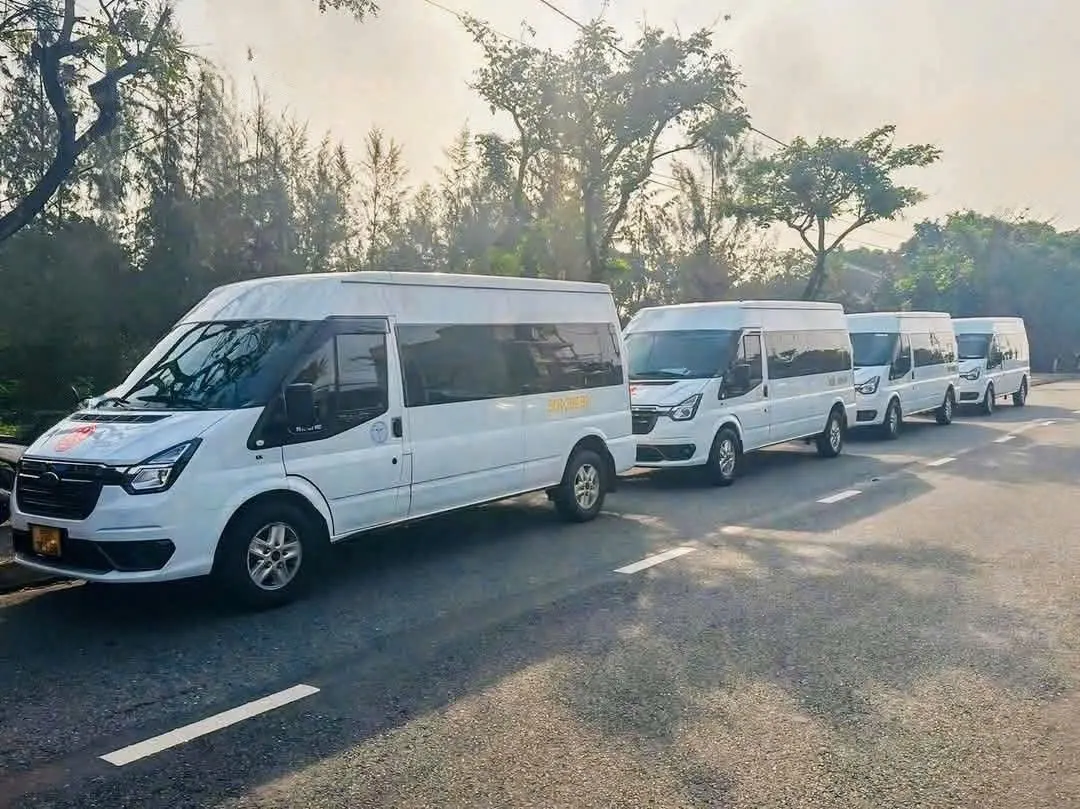
How a Hoi An arrival day unravels
This illustrates how small misalignments compound into visible failure:
Flight arrives Danang 12:30 → baggage delay → exit at 13:15 → 45-seat coach to Hoi An old town hotel (traffic, mid-day moderate) → arrival 14:15 at perimeter drop-off → coach cannot access UNESCO buffer zone → secondary buggy not pre-staged for 30 pax → 4-passenger buggy rotations → staggered group arrival 14:15–15:15 → rooms not ready for all guests → late room access (15:30–16:00) → reduced rest time → planned 17:30 áo dài photography session pushed to 18:30 → light failing, photography quality reduced → 19:30 lantern release on Hoai River rushed → group dinner late, energy depleted
FINAL outcome:
Day 1 in Hoi An — the destination guests anticipated most — feels rushed and chaotic → sets negative tone that affects how subsequent days are evaluated → the lantern-lit moment that was the entire reason for the program is reduced to a 15-minute photo opportunity in failing light.
This failure is entirely preventable with correct arrival design: pre-staged buggy capacity matched to group size, coordinated room readiness with hotel, structured pre-check-in program (lunch + light old town orientation walking) absorbing the check-in gap, and protected golden-hour timing for the Wow Factor moments.
8. Staying in Hoi An versus Da Nang or Hue
Compared to Danang:
Danang → direct international flight access, large hotel inventory, MICE convention infrastructure, beach focus, coach-compatible city routing
Hoi An → no direct access, UNESCO buffer zone restrictions, heritage atmosphere focus, secondary transfer required for old town hotels
Compared to Hue:
Hue → imperial heritage and royal tombs, Perfume River, deeper history pacing, single-night feels rushed
Hoi An → trading port heritage, lantern atmosphere, walking-paced old town, beach proximity, broader market appeal
Common Central Vietnam program combination: Danang (1 night, beach + airport buffer) → Hoi An (3 nights) → Hue (2 nights) → return Danang or onward to Hanoi. This sequence balances heritage depth, atmosphere, and pace across 6–7 days.
Some programs remove Danang entirely for European and luxury markets: Danang airport arrival → direct transfer to Hoi An (3–4 nights) → Hue (2 nights) → onward.
Destination logic should be evaluated through Vietnam Location DMC.
9. Hotel-zone and access gaps in a Hoi An plan
The general checklist is on How to Choose a Vietnam DMC. For Hoi An, watch for these gaps in a proposal:
- No hotel zone strategy is documented for the group profile
- UNESCO buffer zone vehicle constraints are not accounted for
- Evening Hoi An
- Wow Factor moments are quoted generically rather than named with specific partners and timings
- Weather contingency is absent for September–January programs
- Contracted hotel allotments are not held for peak season (October–March European peak, July–August Asian peak)
10. Hotel zone, coach access and flood-season risks in Hoi An
- Hotel zone mismatch for market profile — European luxury group based at Danang beach hotel; result: program perceived as logistical rather than experiential.
- UNESCO access bottleneck — 45-seat coach assumes Anantara Hoi An direct drop-off; result: negative arrival impression.
- Evening congestion — Hoi An old town program ends 21:00; result: cascading schedule disruption.
- Monsoon weather disruption — late October program; result: lost cultural programming with no substitute.
- Wow Factor commodity risk — cooking class booked through unknown vendor; result: program differentiation lost.
- Hotel capacity gap — late booking for European peak season; result: luxury program credibility impact.
11. When to stay in Hoi An, and when to base in Da Nang
Works best for
- Luxury FIT and honeymoon programs at Four Seasons Nam Hai or Anantara Hoi An, 3–4 nights with full Wow Factor cultural moment integration
- Asian MICE and incentive groups based in Danang with structured Hoi An evening cultural programming and gala dinners
- European, Australian, and North American leisure programs based in Hoi An town or beach with 3–4 nights of immersion
- Cultural immersion travelers seeking sustained engagement with crafts, cuisine, and heritage — not single-day visits
- Heritage circuit programs combining Hoi An, Hue, and My Son Sanctuary across 6–7 days
- Family programs combining Hoi An beach base with cultural day programming and Vinpearl Nam Hoi An entertainment
Better elsewhere
- Single-night Vietnam programs — transfer time and check-in friction make 1-night Hoi An stays low-value
- Late-night nightlife focus — the UNESCO buffer zone restricts bars and pubs; this is not a club destination
- Very large groups (200+) requiring single-property base in old town — inventory does not support this; Danang base required
- Adventure-physical primary focus — Hoi An delivers heritage and cultural pace, not adventure infrastructure
- Late-October to mid-November flood-risk programs without weather contingency built in
- Groups with significant mobility limitations — the UNESCO buffer zone has narrow lanes, uneven surfaces, and limited elevator access in heritage properties
12. FAQ
13. Related topics
- Vietnam DMC
- Danang DMC
- Hue DMC
- Vietnam Location DMC
- Vietnam Luxury Travel
- Vietnam Luxury Hotel & Resort Partners
- Vietnam Culinary & Wellness Experiences
- Vietnam MICE & Corporate Events
- Vietnam Incentive Travel
- Vietnam Group Travel
- Vietnam DMC Operations
- Vietnam Luxury Transport & VIP Services
- How to Choose a Vietnam DMC