 ID
ID IT
IT DE
DE ZH
ZH ES
ES FR
FR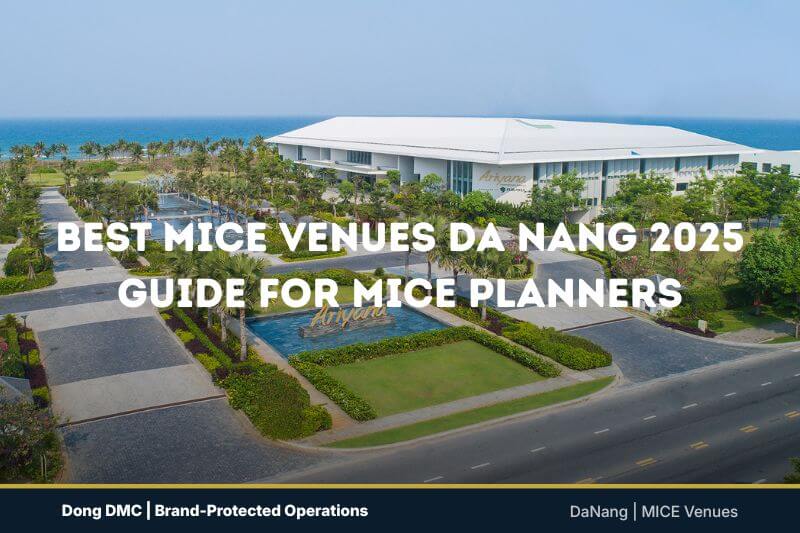
Best MICE Venues Da Nang 2025 Guide for MICE Planners
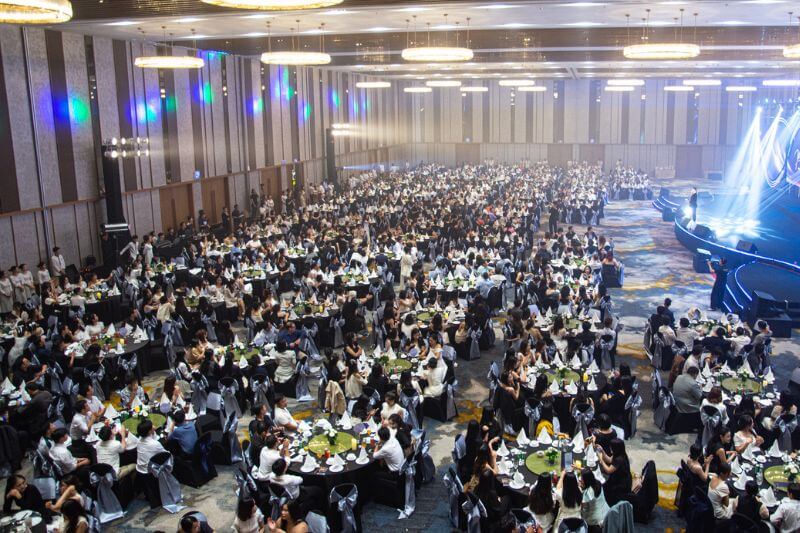
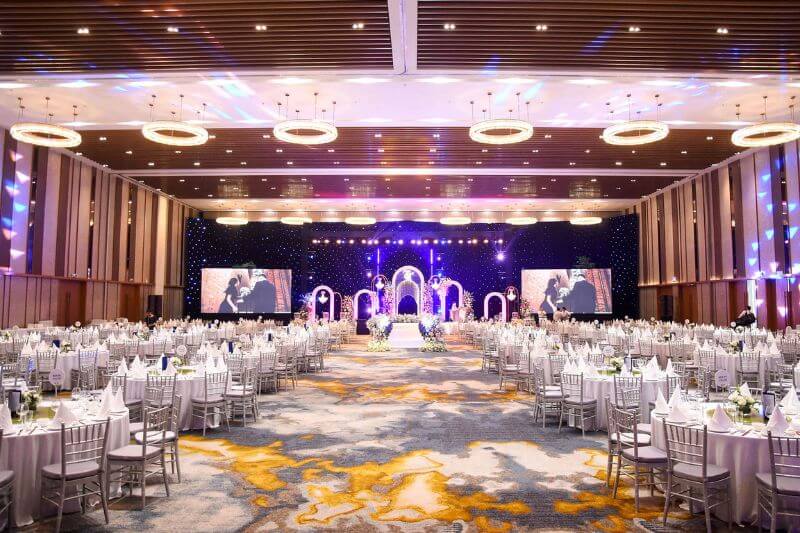
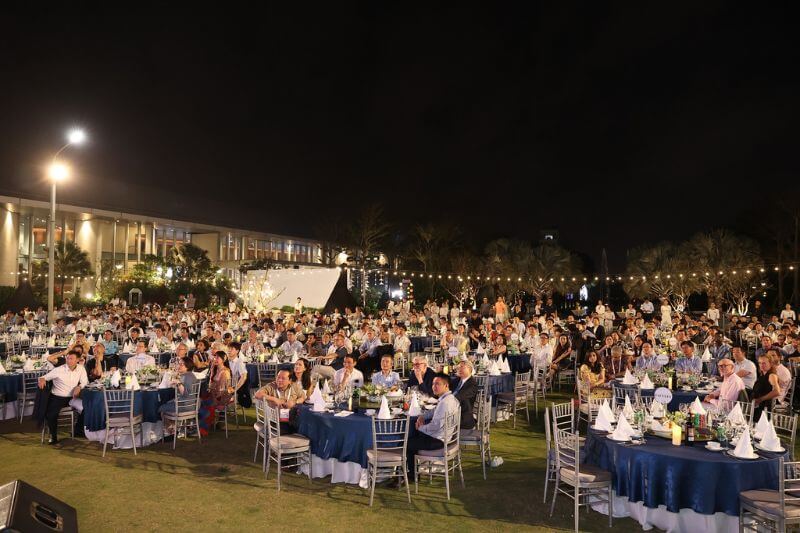
Reading time: 38 min read Da Nang can look deceptively simple: short airport transfers, beachfront resorts, and a single “obvious” convention center. For MICE buyers and event agencies, the real work starts once you pressure-test capacity, rigging, load-in, and the guest flow that keeps a 600-pax program on schedule. This 2025 planner-first guide to the best MICE venues Da Nang 2025 focuses on what actually decides outcomes: ballroom scale and dimensions, ceiling height assumptions, staging and LED integration, breakout depth, pre-function width, and outdoor contingency mapping. If you want a baseline for transport and arrival reliability before you shortlist venues, start with our hotel access and coach logistics guide and use it as your operational checklist for Da Nang’s beachfront corridor. Da Nang’s MICE advantage in 2025 is structural: a beachfront convention scale anchored by the Furama-Ariyana convention campus, an expo facility with real outdoor and parking acreage, and an arena option when you need mass seating and broadcast energy. The city also has a consistent transfer proposition: most programs run 15-20 minutes airport-to-beachfront corridor, which makes same-day arrivals and half-day meeting starts realistic if your coach staging is clean. Where Da Nang fails planners is also predictable: peak-season compression (venues and technical crews booked back-to-back), weather volatility for outdoor galas, and late confirmation of production specs (especially LED walls, heavy truss, and special power requirements). In our operations model at Dong DMC, we treat Da Nang like a “resort city with convention-level expectations” and we lock the constraints early: load-in windows, dock and lift access, ceiling and rigging confirmations, and indoor fallback rights. This is how we make you look good in front of your client when the schedule gets tight. If your client needs cross-Vietnam consistency, Da Nang is strongest when paired with a clear venue strategy in Ho Chi Minh City and Hanoi. HCMC wins for big-city scale and rooftop welcome events; Hanoi wins for business-first hotel inventory and cultural gala options. We maintain destination-specific routing logic and buffer rules in our Vietnam DMC operations guides so agencies can standardize delivery across multiple cities without re-learning basics on every program. Convention center scale: Ariyana Convention Centre Danang (ACC) is the flagship and has been awarded “Viet Nam Best MICE Venue 2025”, which helps agencies justify a premium venue to corporate stakeholders who want recognized infrastructure. One-stop campus operations: The wider Furama-Ariyana complex matters as much as ACC itself because it reduces transfers and lets you split plenary, breakouts, VIP dinners, and outdoor events without losing schedule control. Expo and arena alternatives: The Da Nang Exhibition and Fair Center is purpose-built for large footprint events; Tien Son Sports Arena works when theatre-style energy and grandstand seating beat ballroom etiquette. A defensible Da Nang venue decision comes from matching three variables: (1) required room block and whether you need residential convenience, (2) production complexity (rigging, LED, live-stream, performance acts), and (3) the flow you want between plenary, breakouts, dining, and networking. Capacity alone is a weak predictor of success. 50-200 pax Fast-turn meetings and agencies with tight timelines: Use 4-5* hotels (city or beachfront) when the client wants simplicity: integrated rooms, meeting space, and minimal transfer risk. This is ideal for internal meetings, training, or a short incentive with a light content block. 200-800 pax Conference + concurrent breakouts + gala: ACC and Furama International Convention Palace (ICP) are the most predictable for production, pre-function flow, and breakout depth. The “campus” advantage reduces the number of moving parts in a day with flips. 800-2,500 pax plenary Large plenaries: ACC’s Grand Ballroom is the default. Plan staggered breaks, split registration lanes, and early release waves to keep foyers from choking. Expo-heavy or product display Trade fairs, dealer conventions, vehicle/industrial display: The Da Nang Exhibition and Fair Center gives you outdoor and indoor zoning, freight handling, and parking scale that ballrooms cannot replicate. Mass seating / rally energy Sales rallies and big ceremonies: Tien Son Sports Arena is your “stadium feel” option. Pair it with a hotel or ACC for banquets and formal dinners. These questions are the fastest way to expose operational reality. They also help you build a client-facing rationale that sounds like governance, not preference. Planner-shine moment: build your venue recommendation with a “flow map” slide. Show registration throughput, buffet/service points, and the transition path from plenary to gala. Clients rarely see this level of thinking, and it turns venue selection into risk management. ACC is the most defensible venue recommendation for agencies in 2025 because it aligns three things corporate stakeholders care about: scale, operational maturity, and credibility. The venue has been awarded “Viet Nam Best MICE Venue 2025” and is positioned as a national-standard convention facility, which makes approvals easier for regional conferences and high-visibility sales events. Capacity reality: ACC’s Grand Ballroom is published for up to 2,500 guests. For agency planning, the more useful view is “how many seats at what production spec.” A full-depth stage, backstage holding, camera platforms, and FOH will reduce usable seat count. For a high-production theatre plenary, we typically model a conservative seating plan, then scale up after confirming stage depth, screen plan, and aisle widths. This keeps your first budget realistic. Breakout depth: The campus supports multiple meeting rooms in the 50-120 pax range, which is the sweet spot for concurrent breakouts (sales tracks, product training, leadership streams). The operational win is that you can run plenary, breakouts, and VIP moments without “bus-transporting” your schedule. Pre-function and crowd flow: ACC’s large foyers allow segmented entry and sponsor zones without crushing registration. For 600-1,200 pax, we recommend two to four registration banks (depending on badge type), dedicated VIP and speaker lanes, and a separate service corridor for staging and F&B to keep guests off operational paths. ACC is generally AV-friendly, but “AV-friendly” is not a spec. Confirm these items early to protect your run-of-show. Ariyana Beach Garden is the kind of outdoor space that sells incentives and awards nights, but it must be engineered like a venue, not treated like a lawn. The operational approach is straightforward: build a wind-aware stage plan, stabilize flooring, and pre-map indoor fallback options with a decision deadline the client accepts. Recommended design logic for 200-800 pax beachfront gala: keep the stage low-to-mid height with wind-rated truss, use cable ramps and perimeter lighting for safe circulation, and plan a clear staff corridor behind tables for service speed. Add buggy access routes for VIPs and anyone with mobility needs. For event agencies, the Furama-Ariyana campus is a scheduling advantage disguised as a venue choice. You gain multiple event spaces (ACC plus Furama’s convention facilities), resort accommodations, and VIP villa inventory within one operational footprint. The outcome is fewer transfers, tighter rehearsal control, and better time discipline across multi-day agendas. Capacity notes: Furama International Convention Palace (ICP) seats up to 1,000 guests, and the combined campus is positioned for 50 to about 7,500 guests across indoor and outdoor spaces. For agencies, the practical win is “right-sizing” spaces: ACC for major plenary, ICP for secondary plenary or awards rehearsal, resort rooms for breakouts, lawns for welcome receptions. Day 1: arrivals and registration, light plenary or leadership briefing, welcome reception on lawns (simple sound, low staging). Day 2: full plenary at ACC, concurrent breakouts across resort rooms, then flip to gala with either ballroom banquet or Beach Garden outdoor dinner. VIP layer: villas for senior leadership, private dinners, and separate movement paths that do not disrupt the main show. We prefer this campus for agencies that need to run “two shows at once” (main conference plus VIP program) because it reduces the number of transport and access permissions that can break your timing. If your agenda includes booths, demo zones, vehicles, industrial displays, or a large sponsor village, the Da Nang Exhibition and Fair Center should be your primary venue candidate. The facility’s published footprint is built for zoning: total area around 140,000 m², indoor exhibition area of 10,000 m² across three floors, outdoor exhibition and event area of 50,500 m², gardens and parking of 81,300 m², and a warehouse of 2,200 m². Why this works for dealer conventions and trade shows: you can separate public-facing flow (registration to hall entry), sponsor zones, freight and build access, and VIP movement. In ballrooms, these flows collide. In expo facilities, they are designed to be separated. Tien Son Sports Arena is best suited for sales rallies, large-scale ceremonies, and high-energy plenaries where grandstand seating and a broadcast feel matter more than banquet etiquette. The arena includes a 7,400-seat grandstand, and its layout can support camera platforms and large-format staging when properly designed. Fit and risk notes: An arena is not banquet-ready. If your program includes awards dinner or a premium gala, pair the arena with ACC or a hotel ballroom for the evening event. For staging days, confirm floor protection requirements, backstage access points, FOH control position, and egress timing. The risk is less about “can it hold people” and more about “can it turn over cleanly and safely between program blocks.” Da Nang’s 4-5* hotels are the fastest route to a clean, low-risk residential conference for 50-300 pax, and they are also useful as breakout satellites for larger ACC-led events. InterContinental Danang is ideal for executive retreats and high-end incentives that prioritize privacy and curated experiences. Hyatt Regency is a strong resort conference option near the beach and Marble Mountains. Hilton Danang is best suited for city-based meetings near the Han River when your client wants an urban feel and simple access. The hybrid model agencies use to balance cost and complexity: host breakouts and room nights at the hotel, then rent ACC for a single big plenary day or awards night that needs stronger production. This reduces “all-in” venue cost while still delivering a flagship moment. It also gives you a built-in backup venue option for weather-sensitive outdoor plans. Best-fit by client tone: conservative corporate conferences tend to prefer city convenience and predictable ballrooms; creative brand launches do well with beachfront and outdoor “reveal” moments (with backup); incentive-luxury programs win with secluded resorts and villas where privacy and security are first-class requirements. These shells are designed to be re-used in proposals and adjusted by group size and season. They assume 50-1,000 pax typical Da Nang MICE traffic and the operational reality of beachfront weather risk. Day 1 (Arrival + warm-up): arrivals in two coach waves, hotel check-in, light welcome briefing, welcome reception (90 minutes) with a simple stage and DJ. Build a registration buffer by opening badge pickup 2 hours before the reception. Day 2 (Content + gala): plenary (theatre), four concurrent breakout rooms (two session blocks), networking tea in foyer. Afternoon rehearsal (60-90 minutes) and then gala. If you plan an outdoor gala, pre-brief the client on the indoor fallback decision deadline and reserve the ballroom on hold or contracted option. Day 3 (Departure): departures in flight bank waves with a minimum 30-45 minute buffer at hotel pickup to protect against late check-outs and lift congestion. Day 1: arrivals, credentialing, VIP dinner. Build team does final expo checks overnight. Day 2: opening plenary (high production), expo open, dealer training in breakout tracks. Use timed entry for expo hall if registration throughput is still active. Day 3: awards night with strong stage show. Plan table release waves for dinner service and allocate a photo-call zone away from exits to avoid congestion. Day 4: optional Ba Na Hills excursion (split departures) or direct flight departures. For Ba Na Hills with 600+ pax, stagger entry times and pre-book group routing to avoid cable car peak queues. Core approach: one 2-3 hour meeting block (morning), then experiences and dining. The “show moment” is a curated dinner with high production value: tight lighting, clear audio, and a program that runs under 90 minutes. VIP movement: separate vehicle plan for executives, discreet security, and private dining rooms. Keep the main group flow simple and predictable. Venues do not “deliver events.” Operating systems do. In Da Nang, predictable delivery comes from three disciplines: technical readiness (AV and power), crowd flow (arrival, registration, seating, and meal transitions), and weather contingency planning (especially for beachfront programs). When we run white-label delivery for agencies, our operational goal is simple: the agency brand stays front-stage while we manage the backstage complexity and vendor coordination. If you only adopt one rule for Da Nang: lock your production scope before you lock your agenda. Once your client sees a stage render, your schedule becomes a contract, even if the venue contract is still negotiable. Planner-shine moment: insist on a written “venue access and handover schedule” with timestamps (keys, dock access, security sign-in, freight lift booking). It prevents the most common day-of delay: a crew waiting for a door to open. Most client complaints are not about content, they are about waiting: waiting for coaches, waiting at registration, waiting for dinner service, waiting to exit. Crowd flow design is the highest ROI operational work you can do. Coach arrival logic for 200-1,000 pax: Registration throughput guidance (realistic, repeatable): For deeper transport and arrival planning standards across Vietnam, our teams follow the same buffer rules referenced in the coach logistics playbook so your client sees consistent delivery in Da Nang, Hanoi, and Ho Chi Minh City. Outdoor events in Da Nang are commercially powerful, but only when sold with a contingency design. The agency needs a clear decision protocol that the client accepts in advance. Otherwise, your team ends up negotiating with the sky while the crew waits. Recommended decision deadlines: What “proper” outdoor readiness looks like: For 200-800 pax with production, 45-90 days lead time is the minimum we recommend to lock venues, room blocks, and technical crews with confidence. For expo builds and custom scenic work, extend beyond 90 days where possible. The hidden risk is not cost, it is availability of crews and access windows for build and rehearsals. Our team’s response standard is designed for agency timelines: we typically acknowledge within 12-60 minutes, deliver a first budget direction within 24-48 hours (depending on scope), and build a final operations pack within 5-7 days once decisions are locked. Agencies can also streamline quoting and revisions through the Dong DMC Agent App and quotation platform, especially useful when your client is comparing multiple venue scenarios. If you need proof of delivery style and how we run behind-the-scenes under agency branding, reference our Singapore corporate group case study in Hoi An and Da Nang and the broader library of partner success stories for group pacing, vendor coordination, and white-label execution. The most common failure point in Da Nang is not the gala itself, it is the transition from the final session to doors-open at dinner. The solution is operational: build a disciplined flip plan and protect it with buffers. We run two parallel crews (strike and set) plus a third micro-team handling stage continuity (audio line check, playback, presenter mics) so the show is never “down” while tables move. What agencies can claim as success metrics: doors open on time, entertainment cues hit without dead air, no AV downtime, and guest circulation stays clean because the photo-call zone is placed away from exits. Concurrent breakouts are where agencies earn their fee, and where inexperienced operators leak minutes all day. The discipline is simple: session changeover checklists, speaker ready rooms, and a signage system that guides guests without creating bottlenecks. Operational metrics worth tracking in your post-event report: session on-time percentage, registration throughput per minute during peak, transfer punctuality per coach wave, and speaker satisfaction (mic readiness, slide handover, stage confidence). An expo is a construction project with a show attached. The agency shines when you control the build timeline, freight access, safety compliance, and sponsor expectations. A repeatable approach is to lock the “venue handover checklist” 72 hours before build, then run daily build briefings with zone captains (power, carpentry, branding, security) and a hard stop time for noisy works. Incentive delivery at the luxury end is about privacy and frictionless movement. The agency shines when VIP transfers are invisible, security is discreet, and the dining story feels effortless. We typically assign a separate VIP movement captain and keep service corridors and kitchen timing mapped to avoid “surprise” guest encounters with operational spaces. For agencies that need partners to stay behind the scenes, our operating principle is clear: white-label operations ensure your agency’s brand leads the show, with vendor NDAs and a single point-of-contact show caller controlling the run-of-show. Use this as a shortlisting tool: pick two primary venues based on production and room block logic, then nominate one backup option based on weather and access windows. The goal is not to choose “the best venue,” but the most predictable venue for your specific program. Note: capacities and technical constraints vary by configuration and production footprint. Treat published maxima as a starting point and validate usable capacity after stage, FOH, aisles, and camera positions are confirmed. Use this as a rapid RFP. It keeps the conversation operational and prevents surprises once the client approves a concept. For 200-800 pax with concurrent sessions and a gala, this structure prevents gaps in responsibility and speeds decision-making on show day. If you want a partner model built around agency control and backstage discipline, review why travel professionals choose Dong DMC and our operational approach and align it to your internal event governance. Q: What is the best venue for a 400-800 pax conference in Da Nang in 2025? ACC and the Furama-Ariyana campus are the most reliable choices for 400-800 pax when you need plenary scale plus concurrent breakouts and strong pre-function flow. If your content is light and you want residential simplicity, a 5* hotel can work, but confirm ceiling height, FOH placement, and whether sponsor zones will fit without congesting registration. Q: Which venues support beachfront gala dinners with reliable indoor backup? The Furama-Ariyana campus is the strongest structure for this because you can design an outdoor beachfront gala and still hold an indoor ballroom as a contracted fallback. The key is process: set decision deadlines (T-24 and T-6 hours), pre-map how the entertainment and AV moves indoors, and avoid partial builds that waste time and budget. Q: How early should we lock production and AV for Da Nang peak months? For 200-800 pax with LED, truss, or live-stream, lock production 45-90 days in advance at minimum. For expo builds and custom scenic, extend beyond 90 days. The limiting factor is not just equipment, it is crew availability and venue access windows for load-in and rehearsals. Q: What are realistic setup times for plenary + breakouts + a same-day gala flip? Plan 3-5 hours for a basic plenary setup, 6-10 hours for heavy LED + truss, 60-90 minutes for rehearsal, and 90-150 minutes for a theatre-to-banquet gala flip with 2-3 crew teams. If you want faster, reduce production footprint or increase crew and access hours. Q: Can we run white-label DMC operations so the agency brand stays front-stage? Yes. We operate white-label with agency-branded documents, vendor NDAs where required, and a single point-of-contact run-of-show controller so your team remains client-facing while we coordinate suppliers, transport, and technical execution backstage. Send your dates, estimated pax, meeting format (plenary + breakouts), and production level (basic vs LED/truss). We will return a top-3 venue shortlist for Da Nang 2025 with best-fit rationale, crowd-flow notes, and an indoor fallback plan, plus net rates and a draft program shell you can brand to your client. Our team responds within 12-60 minutes with tailored proposals. White-label support available.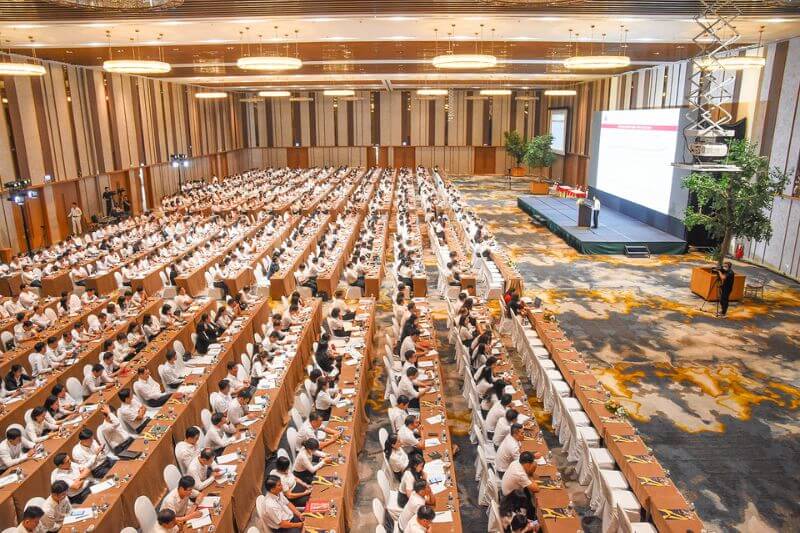
Key Takeaways
1) Planner context: why Da Nang wins in 2025 (and where it can fail)
Market snapshot: “best MICE venues Da Nang 2025” from a buyer’s angle
Red flags to plan around early (and how agencies de-risk)
2) Practical planning guidance: venue shortlists, best-fit logic, and program design
2.1 Venue selection by event type and group size (50-1,000+ pax)
Questions agencies should ask venues before you fall in love with a site visit
2.2-2.6 Venue deep dives: what matters for capacity, AV setup, and flow
2.2 Ariyana Convention Centre Danang (ACC): flagship choice for 2025
AV and staging guidance at ACC (what agencies should validate)
Outdoor: Ariyana Beach Garden for beachfront galas (20,000 m² scale)
2.3 Furama-Ariyana complex: the operational advantage of a one-stop MICE campus
Program architecture that consistently works on this campus
2.4 Da Nang Exhibition and Fair Center: when your event is an expo first
Expo operational notes agencies should lock early
2.5 Tien Son Sports Arena: arena seating and broadcast energy
2.6 4-5* convention hotels: speed, residential convenience, and a hybrid model
2.7 Sample 3D2N / 4D3N MICE program shells (agency-ready)
Shell A: 3D2N regional conference (200-400 pax) - plenary + 4 breakouts + beachfront gala
Shell B: 4D3N dealer convention (600-800 pax) - expo zone + plenary + awards night
Shell C: 3D2N incentive (100-200 pax) - high-touch, minimal meeting time, premium production
3) Operational excellence and risk management: how to run Da Nang smoothly
3.1 Technical readiness: AV, staging, rigging, rehearsal discipline
3.2 Crowd flow and transport choreography (predictability is the product)
3.3 Weather and outdoor gala contingencies (beachfront reality)
3.4 Procurement lead times and communication standards (agency-facing)
4) Partner success angles: where the agency shines (DMC stays invisible)
4.1 Beachfront awards night that didn’t break the schedule (200-500 pax)
4.2 Regional conference with concurrent breakouts (400-800 pax)
4.3 Expo + dealer convention build (Exhibition and Fair Center)
4.4 High-end incentive or exec retreat (InterContinental or villas)
5.1 Comparison table: Best MICE venues Da Nang 2025 (planner view)
Venue
Best for
Max plenary / ballroom capacity (published)
Breakout depth
Outdoor event option
AV/rigging friendliness
Load-in access (planning note)
Distance to airport
Ideal group size band
Key risk + best mitigation
Ariyana Convention Centre Danang (ACC)
High-production plenaries, association congress feel, large gala dinners, sponsor villages in foyers
Grand Ballroom up to 2,500
Strong for concurrent breakouts (multiple smaller rooms on campus)
Yes - beachfront spaces via campus (incl. Ariyana Beach Garden)
Generally strong for MICE production; confirm rigging and FOH zones early
Confirm dock/door dimensions and access windows around adjacent events
Typically 14-15 minutes to beachfront corridor
200-2,500 (and higher across the campus)
Outdoor temptation leads to weather risk - contract indoor fallback and set T-6 decision rule
Furama International Convention Palace (ICP) + Furama Resort
Residential conferences, awards nights, multi-day programs with tight transfers
Up to 1,000 seated (ICP)
Good (50-300 pax rooms typical)
Yes - lawns and beachfront resort areas
Strong for hotel-convention setups; heavy production needs early technical alignment
Resort operations can constrain load-in timings - book access hours and storage upfront
Typically 15-20 minutes
100-1,000 (and scalable via the wider complex)
Peak-season compression - secure rehearsal access in contract and build a flip buffer
Furama-Ariyana campus (combined)
Multi-venue programs (plenary + breakouts + VIP) with minimized transfers
Across indoor/outdoor spaces: positioned for 50 to about 7,500
High (multiple venues and room types)
Yes - large beachfront/lawn options
High potential; requires disciplined show-calling to coordinate multiple spaces
Best when access control and security per zone are mapped like a campus
Typically 15-20 minutes
200-3,000+ (depends on format)
Complexity of multi-space ops - appoint zone captains and one master run-of-show
Da Nang Exhibition and Fair Center
Trade shows, public expos, dealer conventions with large displays
Indoor exhibition area 10,000 m² across 3 floors (capacity depends on layout)
Varies; typically needs separate meeting rooms at hotels for breakouts
Yes - outdoor event/exhibition area 50,500 m²
Good for expo power and infrastructure, but you must engineer your own show environment
Plan freight schedules, security perimeters, and overnight gear storage
Allow buffer for city routing and freight timing
500-10,000+ (format-dependent)
Build and safety compliance risk - lock build days, power drops, and security plan early
Tien Son Sports Arena
Sales rallies, ceremonies, high-energy plenaries, broadcast-style staging
7,400-seat grandstand (arena format)
Limited for classic breakouts; use hotels for concurrent sessions
Not the primary advantage
Can support big staging; confirm FOH, camera platforms, and backstage routes
Floor protection and load-in routing must be engineered
Allow buffer depending on route and time of day
1,000-7,000+
Not banquet-friendly - pair with hotel/ACC for gala dinner and premium F&B
4-5* hotels (InterContinental, Hyatt Regency, Hilton, etc.)
Residential meetings, fast-turn proposals, breakout satellites to a main venue
Varies by property (best for small-mid plenaries)
Good for 2-6 rooms depending on property
Often yes (lawns, terraces), but weather protection varies
Reliable for standard AV; heavy production should be assessed case-by-case
Hotel access can be tight - coach staging and load-in must be scheduled
Typically 15-25 minutes depending on location
50-400 (some higher depending on ballroom)
Space constraints for sponsor villages and big staging - use hybrid model with ACC for flagship moments
5.2-5.3 Tools for agencies: venue RFP mini-template + run-of-show staffing model
5.2 Venue RFP mini-template (copy/paste)
5.3 Run-of-show and staffing model (agency-friendly)
Frequently Asked Questions
Ready to Start Planning?