 ID
ID IT
IT DE
DE ZH
ZH ES
ES FR
FR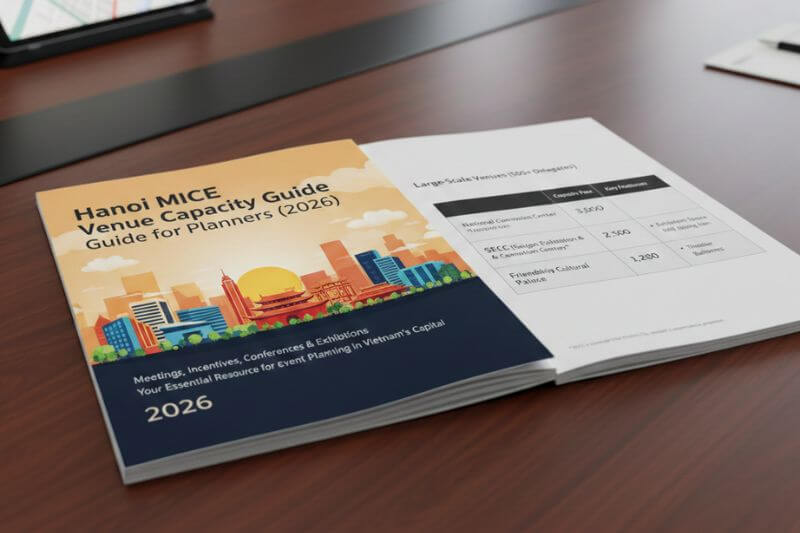
Hanoi MICE Venue Capacity Guide for Planners (2026)
Reading time: 35-45 min This Hanoi MICE venues capacity guide is written for decision-stage MICE planners who need verified room capacities, production constraints, and AV realities - not marketing brochures. It focuses on what you can confidently put into an RFP response, a stakeholder deck, or a client-facing venue recommendation for 200-1,000 pax programs in Hanoi (2026 planning). Key point upfront: across JW Marriott Hanoi, Lotte Hotel Hanoi, and Melia Hanoi, JW Marriott Hanoi is the only venue with consistently published, cross-referenced capacity-by-setup data in current trade sources. For Lotte and Melia, you should treat capacities and AV feasibility as RFP-required until the hotel provides written confirmation (preferably with diagrams and a draft BEO). This approach reduces re-routing risk, fire-code exposure, and last-minute production re-design. If you are building your operational plan now, pair this article with our routing playbooks: Hanoi DMC guide and Vietnam coach and transport planning. They are designed to turn venue specs into coach call times, loading sequences, and a run-of-show that survives Q4 congestion. Why Hanoi is operationally chosen for regional conferences: Hanoi continues to win corporate and association demand in Asia because it functions as Vietnam's political and administrative hub. For planners, that translates into a predictable pattern: higher VIP sensitivity, more last-minute delegate list updates, and stronger expectations for access control and protocol compliance. Programs tied to government-adjacent industries (manufacturing, infrastructure, finance, technology) often prioritize Hanoi for meetings where attendance certainty and security posture matter more than leisure add-ons. What this means for venue pressure: demand surges concentrate around business peak windows, with Q4 (Oct-Dec) typically compressing sourcing timelines. Under compression, the first compromises you see are not room rates - they are breakout availability, pre-function circulation, and production windows. In other words, you can still "book a ballroom" late, but you may lose the hours and adjacent spaces that make the ballroom usable for a high-production show. Lead time reality you can put in front of stakeholders: for 200-1,000 pax programs in Hanoi using a primary ballroom plus multiple breakouts, assume 6-12 months to hold the correct pattern of space. This is not a preference - it is the practical way to avoid late-stage re-design (splitting plenaries, reducing expo pods, or cutting rehearsal time). Data availability matters in the decision stage: JW Marriott Hanoi has the most consistently published capacity and room inventory detail across trade sources. In contrast, current public sources do not provide reliable, pax-by-setup confirmation for Lotte Hotel Hanoi or Melia Hanoi. For a decision-stage buyer, that means: Capacity-driven segmentation you can use in proposals: 200-400 pax - single ballroom (or large function room) plus 4-8 breakouts. Success factor: pre-function width and registration throughput. 400-700 pax - ballroom plus meaningful pre-function for sponsor pods and coffee breaks; staging and rigging requirements become first-class constraints. 700-1,000 pax - JW Marriott Hanoi is the simplest single-hotel option with published capacities. For additional scale or expo-heavy programs, plan an overflow or hybrid model with National Convention Center (NCC) as a second site. Operational references used for this guide include trade venue listings and meeting space data for JW Marriott Hanoi and broader Hanoi MICE market context. Where Lotte or Melia data is missing from public sources, this article provides the exact RFP questions required to close the gaps before contracting. In Hanoi, venue selection should be treated as an operational decision first, and a brand decision second. The decision-stage criteria below are designed to prevent three common failures: (1) choosing a room that cannot physically take the production build, (2) under-allocating circulation and causing schedule slip, and (3) committing to a venue before internet and AV policies are contractually clear. Use this as a proposal-ready fit checklist. If a venue cannot confirm these items in writing, treat it as a sourcing risk. Conference (plenary + breakouts): pillar-free plenary room (or acceptable sightline plan), ceiling height suitable for screens/lighting, breakouts on the same level where possible, and enough pre-function square meters to prevent choke points during coffee breaks. Awards gala (high-production banquet): verified banquet capacity with staging footprint included, rigging/power confirmation, late-night load-out policy, and a realistic rehearsal window that does not collide with guest traffic. Product launch (press + demo zones): controlled loading route, sponsor/demo power distribution, and stable connectivity in stage, FOH, and press corner. Hybrid summit: internet SLA (not just "Wi-Fi available"), support for video conference workflows, and a pre-scheduled technical rehearsal with venue and AV stakeholders. When time is tight, shortlist using five checks. These are the checks that keep your plan stable after stakeholder changes and production upgrades. If you need a detailed operational approach to routing, coach slots, and hotel access constraints, reference our Vietnam coach and transport planning and the Vietnam coach and transport planning. These templates are intentionally generic so you can adapt them to JW, Lotte, or Melia while keeping the operational logic consistent. Template A: Plenary + 6-10 breakouts + expo pods Template B: General session + evening gala + morning workshops Template C: Hybrid summit with remote speakers + press corner Because Lotte and Melia capacities and AV constraints are not consistently published in current trade sources, an RFP must pull the missing data in a format you can contract against. Include the items below verbatim to reduce ambiguity. Required capacity and diagram package (by room): Production feasibility (AV and rigging): Access and loading (non-negotiable for 200+ pax): Internet and connectivity (SLA-oriented): If the hotel cannot deliver the above within your bid timeline, keep it on the list as a future option, but do not position it as the primary venue for a high-stakes program. This is how planners protect stakeholder confidence and prevent rework. JW Marriott Hanoi is the most defensible option in this shortlist because its meeting space inventory and capacities are consistently referenced in trade sources. For decision-stage proposals, this reduces your risk of over-promising a setup that the room cannot support. Verified meeting inventory highlights (planning-grade): Location and access constraints you should build into routing: JW Marriott Hanoi is at 8 Do Duc Duc Road, Nam Tu Liem (west of central Hanoi). Airport transfers from Noi Bai are typically 30-45 minutes depending on traffic. Peak congestion on Pham Hung corridor is a known variable, so coach call times should include buffers and staggered waves for 20+ coach programs. Use the following figures when you need to justify feasibility to stakeholders. These are the figures most planners need for routing math and sign-off. Grand Ballroom (full) - 1,000 sqm, 7m ceiling height Fansipan Ballroom - 480 sqm, 7m ceiling height Grand I / Grand III (section) - 363 sqm, 7m ceiling height Fansipan I / Fansipan II (section) - 185 sqm, 7m ceiling height Example breakout sizing AV and room traits that impact production planning: JW lists in-house AV support, high-speed and wireless internet (often fee-based), and video conference capability. Note that main ballrooms are typically no daylight, which is not a negative operationally but does require a deliberate lighting plan if you have camera capture, press photography, or brand color accuracy requirements. Capacities alone do not prevent schedule slip. The most common cause of late starts at 400-1,000 pax scale is cross-traffic created by registration, coffee service, and sponsor zones placed in the wrong sequence. Routing logic that works reliably at JW (transferable to other venues): Decision-stage confirmation you should request from JW during the first technical call: exact loading route and dock-to-ballroom timing, internet tier pricing for dedicated bandwidth, and AV labor policy for extended rehearsal hours. This is where hidden costs and timing constraints usually appear. Lotte and Melia are frequently considered in Hanoi shortlists due to brand recognition and central accessibility. However, for decision-stage planning, the issue is not whether they can host events - it is whether you can contract against verified capacities and AV constraints without ambiguity. Current public trade sources do not provide consistent pax-by-setup capacity tables and AV specifics for these two venues in the same way they do for JW Marriott Hanoi. Planner-safe approach (recommended): Site inspection questions that mirror the JW benchmark (use these verbatim): Decision criteria for 2026 sourcing: in competitive bids, the venue that wins is often the one that behaves operationally like a partner - fast, transparent, and willing to test. Score Lotte and Melia on: responsiveness to AV rider, transparency on fees (Wi-Fi, rigging, technician hours), and whether they will commit to a timed technical rehearsal with sign-off checkpoints. If you want a framework for how we validate this information before you commit to a client-facing promise, review why partners choose Dong DMC and how we operate under white-label conditions. For programs that are too large, too expo-heavy, or too sensitive to single-point failure, pairing JW Marriott Hanoi with the National Convention Center (NCC) creates operational redundancy. NCC is cited as a large-scale venue option (3,500 pax main hall ). The pairing is practical because of proximity (typically cited as a short drive), enabling shuttle routing without city-center crossings. When the two-venue model is justified (stakeholder-friendly logic): Simple two-venue routing model (operationally realistic): Client-facing value statement (proposal-ready): "The two-venue model reduces risk by separating high-traffic expo movement from hotel operations, while maintaining schedule control through unified badge scanning, real-time attendance counts, and push/SMS schedule broadcasting." Venue specifications only matter when they are converted into a runbook with owners, deadlines, and measurable checkpoints. For high-stakes programs in Hanoi, the failure modes are consistent: production setup takes longer than planned, arrivals bunch due to traffic, Wi-Fi and AV charges appear late, and schedule changes fail to reach all attendees. The controls below are designed to prevent those outcomes. A decision-stage operational plan should include these components. They can be forwarded to a client as proof of governance. For JW Marriott Hanoi, plan airport transfers at 30-45 minutes under typical conditions, with increased variability during peaks. In practice, planners should build buffers into call times and avoid stacking critical activities immediately after airport arrival. Two controls reduce risk most: For coach-heavy programs, use our operational routing references: Vietnam coach and transport planning and Vietnam coach and transport planning. The most common budget shock items in Hanoi ballroom programs are AV labor, rigging, and internet. Trade sources indicate meeting package pricing and room rates that may not reflect 2026 inflation, so planners should use a governance approach rather than a single number. Recommended controls you can write into your internal process: If you need a structured approach to supplier confirmation and time-stamped approvals, our operations model is designed for brand-protected delivery. This is also where our Dong DMC Agent App supports operational visibility across suppliers and milestones. For high-production ballrooms, the difference between a stable event and a chaotic one is almost always time allocation. JW Marriott Hanoi is cited with ballrooms featuring 6.5-7m ceiling heights, enabling complex builds, but also increasing the need for structured rigging, safety checks, and line testing. Minimum setup buffer to protect your schedule: allocate 4-6 hours for ballroom setup when your build includes truss/rigging, LED wall, camera platforms, or significant audio deployment. What the 4-6 hour buffer actually contains (use this to justify time blocks): Rigging and power checks (decision-stage questions): First-in / last-out scheduling (prevents guest-traffic conflict): for events inside an operating hotel, schedule production teams as first access of the day and last exit of the night, with clear dock windows and corridor protection. This reduces collision risk with guest check-in peaks and minimizes noise complaints that can force on-the-fly changes. Most event failures are information failures. Planners lose confidence when they cannot see attendee status in real time, when schedule changes do not reach everyone, or when budget overruns surface too late to control. A 2026-ready Hanoi program should be designed with a simple principle: if it affects time, safety, or budget, it must be visible live. Where connectivity matters most (and must be tested): Connectivity testing protocol (site visit requirement): test internet with the same device count and usage pattern you expect on show day, not a single laptop speed test. Validate whether dedicated bandwidth is required and price it early. Where Wi-Fi is fee-based (as commonly listed), lock the model (per-device vs per-Mbps) before final budget sign-off. If your client requires measurable outcomes, plan data capture upfront. A standard reporting pack can include: For partners who require a single operational view across suppliers and milestones, this is where our Dong DMC Agent App supports live coordination and post-event reporting efficiency. Hanoi has predictable operational risks that can be managed with standard protocols. The goal is not to eliminate change - it is to prevent change from becoming visible chaos. When you scale beyond 20 coaches, the risk is not only traffic - it is frontage congestion and delayed unloading. Standardize: Seasonal fog can affect airport operations. For high-stakes opening segments, add approximately 1 hour buffer on critical arrivals and protect opening content so it can start without key speakers if needed (for example: opening video, host segment, or internal keynote first). Decision-stage security planning should include: These are not claims about specific past events at named hotels. They are execution patterns that work in Hanoi and can be safely used as internal case angles or proposal logic. The objective is to show that your plan is built for control, not hope. What you sell internally: scale without single-point failure. JW hosts the core plenary within a verified capacity envelope; NCC provides overflow capacity and/or expo expansion. What you standardize operationally: unified badge access, shuttle loops with timed waves, and instant schedule broadcasting via app + SMS fallback. Outcome: schedule stability even if a session room changes. What you sell internally: a banquet capacity that remains credible after staging, camera platforms, and aisle plans are included. What you standardize operationally: a protected 4-6 hour setup buffer, rehearsal sign-off checkpoints, and a documented cue-to-cue run sheet shared with venue and AV. What you sell internally: hybrid that is operationally governed. Remote speakers are integrated through tested connectivity and a planned rehearsal, not improvised on show day. What you standardize operationally: dedicated bandwidth planning, wired connections at stage/FOH, backup network options, and a defined incident response path. Client reporting metrics (proposal-ready): define success in measurable terms. Below is a basic metric set that works across corporate and association clients. If you want examples of how we structure partner outcomes and reporting, see partner success stories. Use this checklist as an appendix in your stakeholder deck or client proposal. It demonstrates you are selecting venues based on execution certainty. If you need to keep Lotte and Melia in play without exposing your proposal to unknowns, request a structured package with deadlines. RFP attachments requested: Operational deadlines requested: A run sheet is your schedule insurance policy. The framework below highlights where planners typically under-allocate time. Use a structure that separates fixed commitments from variable exposure and enforces approvals. For planners running multi-supplier operations, centralized visibility reduces risk. This is a core reason partners use Dong DMC: why partners choose Dong DMC. Q: What is the verified max capacity at JW Marriott Hanoi for theater and banquet setups? A: For the Grand Ballroom (1,000 sqm, 7m ceiling), published capacities cite 950 theater and 700 banquet, with 540 classroom. For the Fansipan Ballroom (480 sqm, 7m), published capacities cite 450 theater and 300 banquet. Confirm final numbers in your BEO draft based on stage size, aisles, and camera platforms. Q: How much setup time should we allocate for a ballroom with LED wall and rigging? A: Plan 4-6 hours for a high-production ballroom setup at JW Marriott Hanoi. This buffer typically covers rigging/truss, stage build, LED wall setup, audio line checks, lighting focus, and seating reset with safety sign-off. Q: Can JW Marriott support overflow or hybrid with NCC, and how does routing work? A: Yes, pairing JW with National Convention Center (NCC) is a practical model for plenary overflow, expo expansion, or multi-stream congress formats. Operationally, it requires a timed shuttle loop, unified badge access with scan points, and instant schedule broadcasting (app push plus SMS fallback) so room or timing changes reach all attendees. Q: What should we demand from Lotte Hanoi and Melia Hanoi before confirming for 2026 programs? A: Written pax-by-setup tables, ceiling height, rigging points map and load limits, loading dock and freight route dimensions, coach parking count, foyer/pre-function sqm, internet tiers with SLA, and AV policy (in-house exclusivity vs outside vendor permitted). Without these, do not finalize program flow or production design. Q: What are the common hidden costs (Wi-Fi/AV/tech labor), and how do we cap them? A: The most common late additions are dedicated bandwidth, additional technicians, rigging approvals, and overtime. Cap them by requiring AV and internet rate cards as contractual appendices, using approval gates for variable lines, and holding a +10% contingency on AV/internet until the final bandwidth and labor plan is signed off. Verified in trade sources (JW Marriott Hanoi): meeting space inventory, capacities by setup for key rooms, and general AV capability statements (internet availability often fee-based). Market context references also cite NCC as a large-scale alternative option for Hanoi. Not reliably verified in current public sources (Lotte Hotel Hanoi, Melia Hanoi): complete pax-by-setup tables, ceiling heights, loading dock dimensions, coach parking counts, and detailed AV rate cards. For 2026 decision-stage planning, treat these as RFP-required and request diagrams plus written confirmations. Freshness note: much of the accessible trade data is 2023-2025. For 2026 contracting, validate final capacities, policies, and pricing directly with the venue via RFP, and include AV and internet appendices in the contract to avoid ambiguity. For additional Hanoi venue and routing context, see Hanoi MICE venues and Hanoi DMC guide. If you are deciding between JW Marriott Hanoi, Lotte Hanoi, and Melia Hanoi for a 2026 program, request a Routing Advisory. We will validate the operational feasibility before you commit - including capacity math assumptions (with staging), coach routing, load-in windows, internet requirements, and a contingency model (NCC overflow or hybrid fallback). Deliverables available on request: venue validation pack (capacity confirmation framework), AV checklist, draft run-sheet skeleton, and transfer routing plan aligned to your flight wave.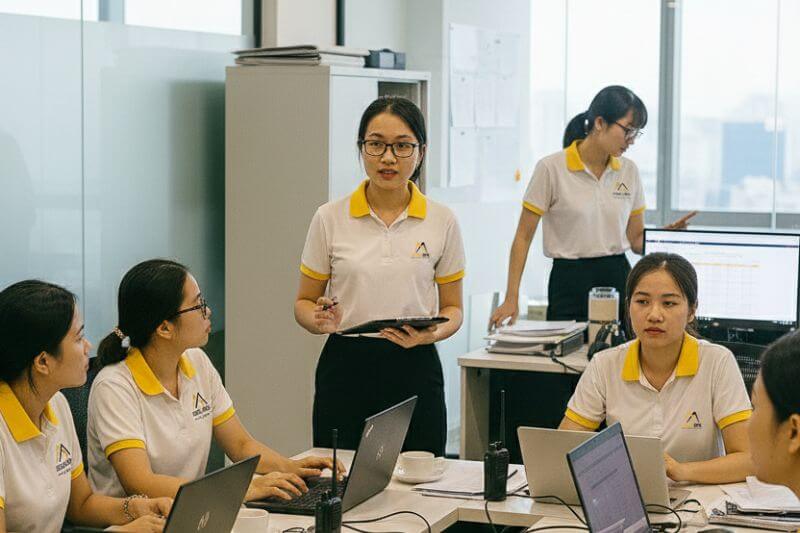
Planning Takeaways
1) Planner context for a Hanoi MICE venues capacity guide (2026 decision-stage)
2) Practical planning guidance: venue fit, program architecture, and decision tools
2.1 Match venue selection to program type (what must be true)
2.2 A fast shortlisting tool using the Hanoi MICE venues capacity guide lens
2.3 Program architecture templates (proposal-friendly, not an itinerary)
2.4 What to request from Lotte Hanoi and Melia Hanoi in the RFP (to close public data gaps)
2.1 JW Marriott Hanoi (2026-ready): verified capacities and space planning you can quote
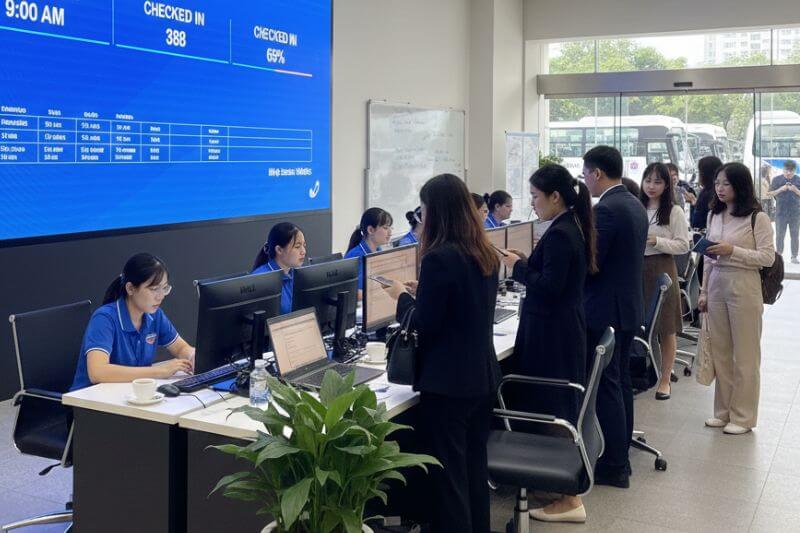
2.1.1 JW Marriott Hanoi pax-by-setup highlights (decision-stage numbers)
2.1.2 Space-to-flow guidance (how to reduce delays and cross-traffic)
2.2 Lotte Hotel Hanoi and Melia Hanoi: how to evaluate when capacities are not publicly verified
2.3 Overflow and hybrid setups with National Convention Center (NCC): when and how to pair with JW Marriott
3) Operational excellence and risk management (zero-surprise execution)
3.1 Runbook structure: what must exist before show week
3.2 Hanoi logistics reality: transfer buffers that protect on-time starts
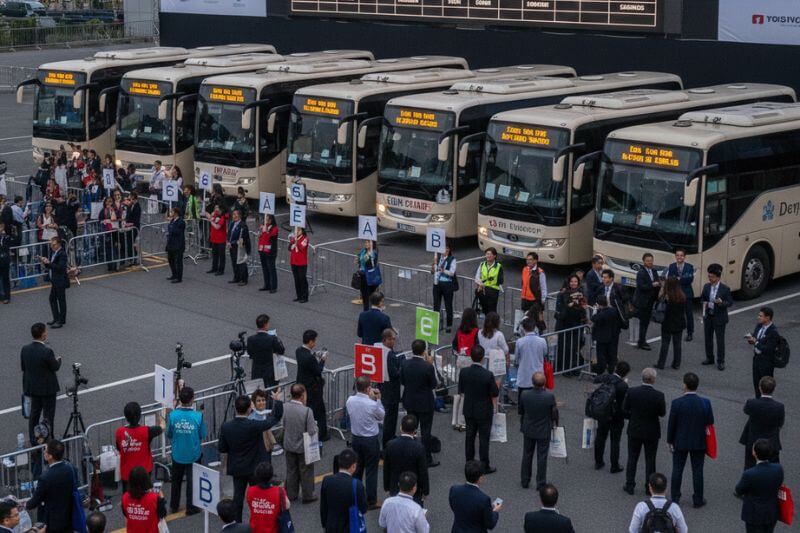
3.3 Cost control: preventing AV and internet surprises (decision-stage budgeting)
3.1 Load-in, staging, rigging, and setup buffers (JW-focused, transferable framework)
3.2 Technology for real-time visibility and control (fear reducers for high-stakes planners)
Recommended event-tech capabilities (what to specify, not what to brand)
Post-event analytics clients typically expect (and how to deliver quickly)
3.3 Risk controls specific to Hanoi venue operations (what to standardize)
Traffic and coach coordination (20+ coach programs)
Weather and airport reliability buffers
Safety, security, and access control
Contractual safeguards that prevent day-of disputes
4) Partner success angles planners can replicate (how the planner shines, the DMC de-risks)
Angle 1: 950-theater summit at JW with overflow stream at NCC
Angle 2: 700-banquet awards night with high-production stage build
Angle 3: Hybrid leadership forum with remote keynote reliability
DMC deliverables that create planner wins (white-label, single accountability)
Metric
Why it matters
How it is captured
On-time start rate (sessions)
Protects stakeholder confidence and speaker cadence
Run sheet time stamps + stage manager logs
Check-in throughput (pax/min)
Prevents congestion and late plenary entry
Badge printing/check-in dashboard
Incident closure time
Shows operational control under pressure
Service recovery log with time stamps
Budget variance (final vs approved)
Prevents late financial surprises
Live budget tracker with approval workflow
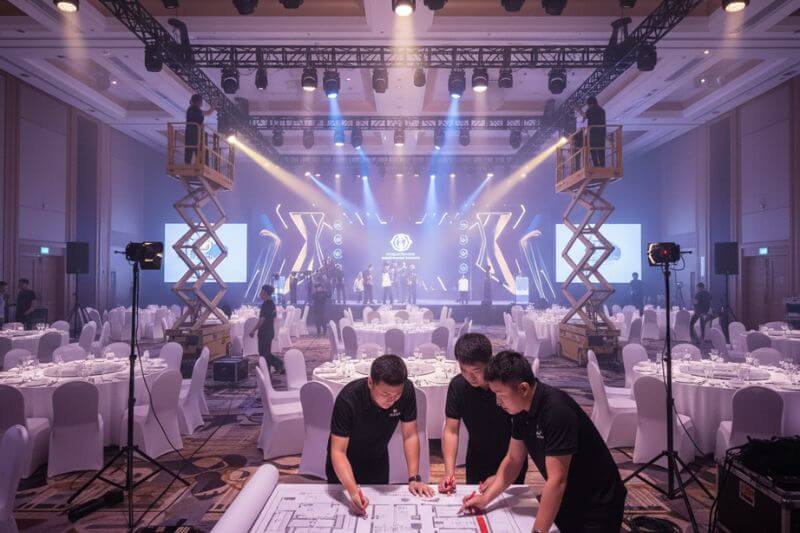
5) Tools and checklists for decision-stage sourcing (usable in proposals)
5.1 Venue due diligence checklist (Hanoi MICE venues capacity guide standard)
5.2 RFP template outline for Lotte and Melia (closing the verification gap)
5.3 Run-sheet framework (where buffer time is mandatory)
5.4 Budget control sheet structure (prevent late overruns)
Frequently Asked Questions
Sources and freshness (what is verified vs what requires RFP confirmation)
Request Routing Advisory (Hanoi 200-1,000 pax)