 ID
ID IT
IT DE
DE ZH
ZH ES
ES FR
FR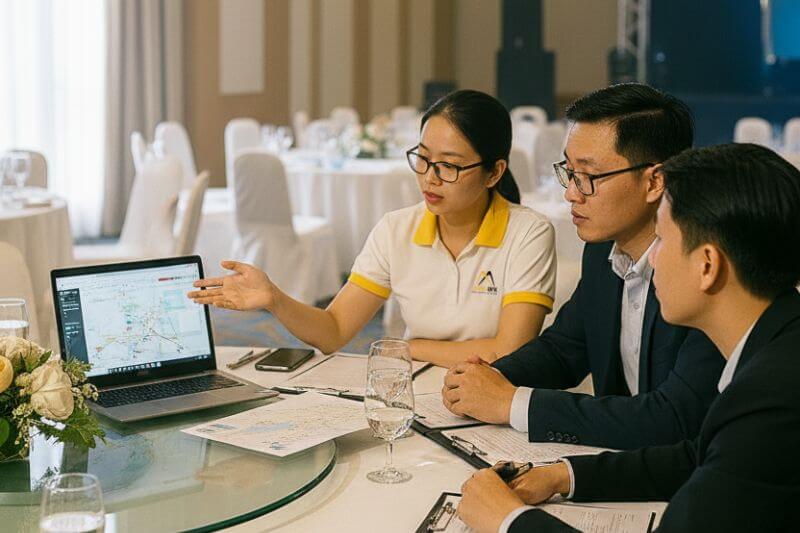
Vietnam Photo Group Logistics Guide for Travel Agents
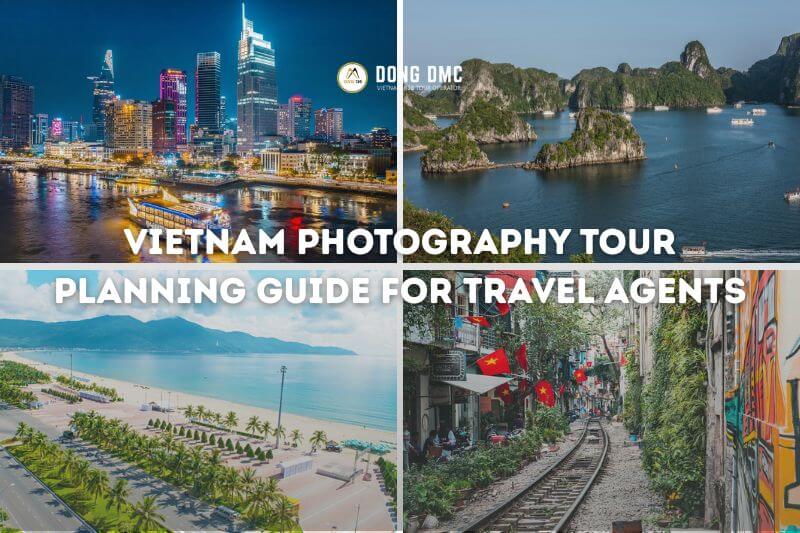
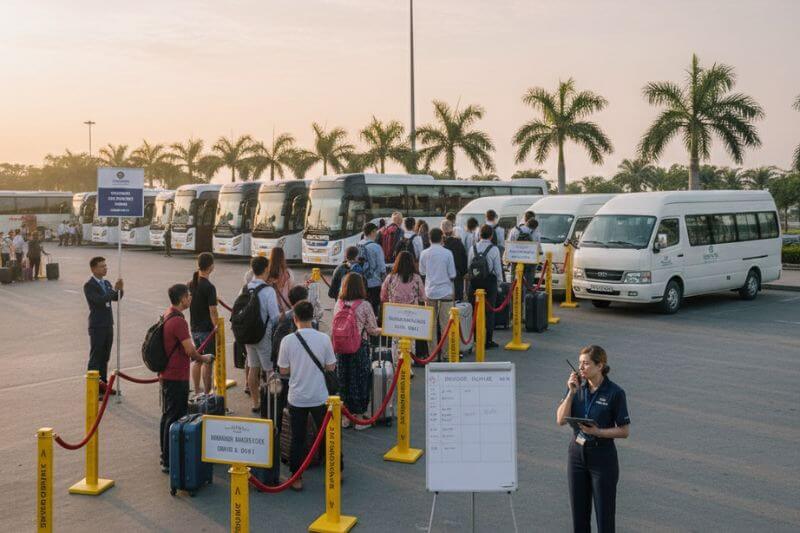
Category: vietnam-dmc-operations-and-planning Keyword: Vietnam group photography spot logistics Updated: 2026 Reading time: 30-35 min Photography-first group programs in Vietnam fail for one predictable reason: the itinerary is built like a normal sightseeing tour, but iconic shots behave like fixed-time operations. Light windows (typically 4:30-6:00 AM and sunset/blue hour) do not wait for coach queues, pedestrian bottlenecks, or late regrouping. This guide is built for travel agents selling leisure groups of 20-50 pax who need a forwardable, proposal-ready way to explain how you will deliver key photo moments with controlled logistics: coach parking strategy, crowd management through photo pods, and timing blocks that protect the shot without sacrificing comfort. For related routing and traffic risk controls, reference our operations playbooks: Hanoi group routing playbook and Vietnam traffic and protocol risks. Proposal-safe positioning: You can credibly promise controlled timing, access planning, and sub-grouping. You should not promise weather, empty public streets, or unrestricted drone use. This guide shows how to sell the controllables and protect the program with buffers and fallbacks. What changes A photography-first itinerary has non-negotiable time windows. In Vietnam, the most reliable “low-crowd + best light” windows are typically dawn (often 4:30-6:00 AM on location) and late afternoon into blue hour. Standard sightseeing patterns (depart after breakfast, return before dinner) place your group inside peak congestion (commonly 9:00 AM-4:00 PM), where coach movement slows and iconic angles get blocked by crowd density. Why this matters for 20-50 pax A full group coach is efficient for line-haul transfers, but inefficient for last-mile access and regrouping at tight pedestrian zones. If you attempt to move 40 pax as one unit into a pier gate or an old town lane, you lose the shot window and create safety and reputational risks (guest frustration, conflict with site staff, and visible chaos). The operational fix is to keep the comfort of the full-group program while executing the photo windows in controlled pods. Booking expectations In photography-focused programs sold in English-speaking markets (US/UK/AU) and premium workshop formats, operators often work with small groups (commonly 5-12 pax) and publish detailed itineraries well before travel, with deposits and final payment due around 30 days pre-departure. For leisure groups, the same expectation can be met by using modular “photo blocks” and confirming access/vehicles early. Practical lead time guidance for 2026: Recommended lead times (agent planning): How to sell without overpromising Use language clients trust: “early positioning,” “staggered entry,” “pre-set meeting points,” and “buffers to protect shot windows.” Avoid language that suggests you can remove crowds from public areas. If you need a client-ready statement, use: “We schedule iconic photography moments at off-peak timing and run the group in guided pods to reduce waiting and improve positioning. Public locations can still be active, but our plan is designed to protect the key shot windows and keep the program on time.” If your client wants proof of operational systems and brand protection, you can link: Why partners choose Dong DMC. This section is designed to be copy-pasted into client proposals. It explains how the program will be run, with clear capacities, timing, and coach logistics. Default operating model for 20-50 pax: Why pods are operationally safer: Pods reduce crowd disruption, help site staff manage flows, and allow precise meeting points. They also reduce “one late guest delays everyone” risk, because pods can rotate through angles while the coordinator handles recovery. Use these timing blocks as standard modules. They are written to protect light windows and reduce waiting at coach drop-off areas. Sunrise block (template) Sunset + blue hour block (template) Note for client expectations: These blocks are designed to avoid peak crowds (commonly 9:00 AM-4:00 PM) and reduce time lost in coach queues. They also minimize the risk of missed shots due to regroup delays. A) 4D/3N Hanoi + Ha Long sunrise + Hanoi twilight street (pod-based) B) 4D/3N Da Nang + Hoi An lantern/market + timed last-mile access C) 7D North-to-Central “Iconic + Authentic” (Hanoi - Ha Long - Hoi An) + optional Mu Cang Chai extension These notes are written in client-safe language with operational specifics. They focus on coach parking, crowd flow, and best timing for iconic shots. Operational reality: Pier areas can become congested during peak arrival windows. Coach access and staging space can be limited, and boarding is time-sensitive when you are protecting sunrise light. Operational reality: Old Town is walk-focused, and coach parking is limited near the core pedestrian lanes. The main risk is losing time while the coach searches for a legal stopping point, then trying to regroup a large group in a crowded lane. Operational reality: Dense traffic, limited coach stopping points, and narrow lanes mean that “one big group” movement increases delay and safety risk. The most predictable execution comes from dawn and twilight blocks with controlled meeting points. Operational reality: This is a higher-complexity extension with remote roads, limited accommodation standards, and micro-climate changes. It can be a strong “exclusivity” add-on if the client accepts rustic conditions and early departures. These are planning ranges and inclusion strategies to help you build a defensible proposal. All pricing should be verified at time of quote for 2026 (supplier rates, fuel, and site fees can change). Price indicators (planning only): What drives variance (include in your internal costing notes): Margin-protective inclusions to list (client-safe): Optional upgrades (easy to sell, low confusion): If you need help packaging these modules quickly with net rates and a rebrandable run sheet, our team builds pod-based quotes fast with a target response time of 12-60 minutes for standard requests. This is the “how we prevent surprises” section. It is written so you can share it with clients to demonstrate control without exposing supplier details. Pre-arrival (recommended 100-30 days out) Day-of execution (what the guests experience) Exit and recovery (where most groups lose time) Where coaches struggle: Ha Long piers (staging and gate timing), Hoi An pedestrian core (limited access and stopping), and Hanoi Old Quarter (traffic density and narrow lanes). These are predictable friction points, especially 9:00 AM-4:00 PM. Mitigation strategy (client-safe, operationally true): For broader coach handling standards you can reference in your internal planning, see: Hotel access and coach logistics playbook. Photography programs feel complex to clients because they include early starts, subgroups, and multiple vehicles. The fastest way to increase client confidence is to make the operation visible and organized. What agents typically need (and what we support): If you want to present app-enabled operations in your proposal, you can link: Dong DMC Agent App. Weather and micro-climates Permits, permissions, and sensitivities Security and gear management Fitness, pace, and comfort Sustainability and local impact (proposal-safe) For programs involving villages, markets, or sensitive communities, we use “low disruption” movement plans and handle local contributions transparently where appropriate. You can reference our policy here: Sustainable tourism policy. These are not “stories.” They are execution templates you can insert into a proposal to show you have a method. If you want examples of how we document and run complex groups, you can reference: Partner success stories. Use these as a pre-sales checklist or as an annex in your client proposal. They reduce ambiguity and help the buyer approve the plan quickly. Send these inputs and you will get a cleaner, faster net quote: Q: Can we do Ha Long sunrise with a 40-50 pax leisure group? Yes, with a pod-and-subgroup plan. Operationally, we recommend 2-4 pods of 10-12 pax, timed pier entry, and boat subgrouping (often 10-20 pax per boat depending on charter plan). Build a 60-90 minute buffer for pier logistics and a 30-60 minute buffer for regrouping and re-boarding. Q: Where can the coach park in Hoi An or Hanoi Old Quarter? Parking and stopping close to the core pedestrian/photo lanes are typically limited. The reliable approach is a legal drop-off outside the tight zone, then a guided walk-in (or last-mile vans where needed), and a pinned rendezvous point for pickup. Plan an extra 60 minutes during peak hours and evenings to protect timing. Q: What is the best timing for iconic lantern-style photos in Hoi An? Full moon nights are popular but can increase visitor volume. For predictable positioning, arrive 60-90 minutes before sunset and run pod rotations with a hard regroup time. If the client prioritizes low crowd density over event atmosphere, early morning lanes are the most reliable alternative. Q: How far in advance should we book photo-timed programs in Vietnam for 2026? Plan 30-45 days in shoulder periods for standard routes, and 60-100 days for peak season (Nov-Apr), Tet-adjacent dates, and any itinerary requiring extra vans, higher guide ratios, or specific event timing. Remote extensions (e.g., Mu Cang Chai) benefit from 90+ days due to limited accommodation and access planning. Q: Do you handle drone/model/village permissions? We manage permissions and local sensitivities where applicable, subject to current regulations and approvals. Drone usage is not guaranteed and must be checked case-by-case in 2026. We recommend positioning drone support as an optional add-on, approved only after local confirmation. Send your dates, pax (20-50), target cities (Hanoi/Ha Long/Hoi An), and whether you want 2, 3, or 4 photo pods. We will return a rebrandable itinerary outline, timing blocks (sunrise/sunset), and net rates with the correct vehicle and staffing mix. Fast quotations (12-60 minutes for standard requests). Brand-protected operations. Zero missed arrivals.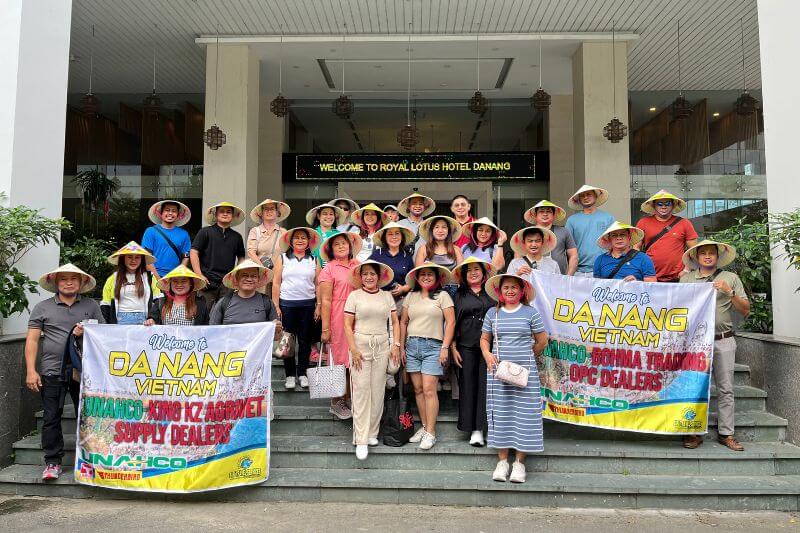
Planning Takeaways
1) Planner context: why Vietnam group photography spot logistics is different
2) Practical planning guidance for iconic shots (20-50 pax) - built for proposals
2.1 Program design framework: pods + hubs + timed blocks
2.2 Timing playbook (run-of-show blocks you can forward)
2.3 Ready-to-rebrand itinerary concepts (fast-selling, operationally realistic)
2.4 Site-by-site logistics notes (copy-paste for proposals)
Ha Long Bay (piers + sunrise strategy)
Hoi An Old Town (lantern/streets + pedestrian constraints)
Hanoi Old Quarter (street life + dawn/twilight positioning)
Mu Cang Chai (remote rice terrace logistics - optional extension)
2.5 Budget and quote-building guidance (margin-protective, agent-friendly)
3) Operational excellence and risk management (how to run it smoothly)
3.1 Step-by-step operating model (pre-arrival to exit)
3.2 Coach parking and crowd management (subtopic focus)
3.3 Technology support for agents: speed, tracking, and fewer documents
3.4 Risk management checklist (what can go wrong and how we control it)
4) Partner success templates (proposal-ready examples you can reuse)
Template A: 50 pax - Ha Long sunrise without pier crowd stress
Template B: Hoi An lantern photos in peak season
What to measure (easy proof for your client report)

5) Tools, checklists, and templates (agent-ready)
5.1 Fast-quote module builder (what to send your DMC)
5.2 Operational documents you can request (for a single shareable folder)
5.3 Pre-departure client briefing bullets (copy-paste)
5.4 Verification list (confirm close to travel for 2026)
Frequently Asked Questions
Request Itinerary and Net Rates (Photo-Ready Group Ops Pack)