



Why Bleisure Is Reshaping Corporate & Incentive Travel Programs in Asia

Why Bleisure Is Reshaping Corporate & Incentive Travel Programs in Asia

Blog / MICE & Incentive / Strategy

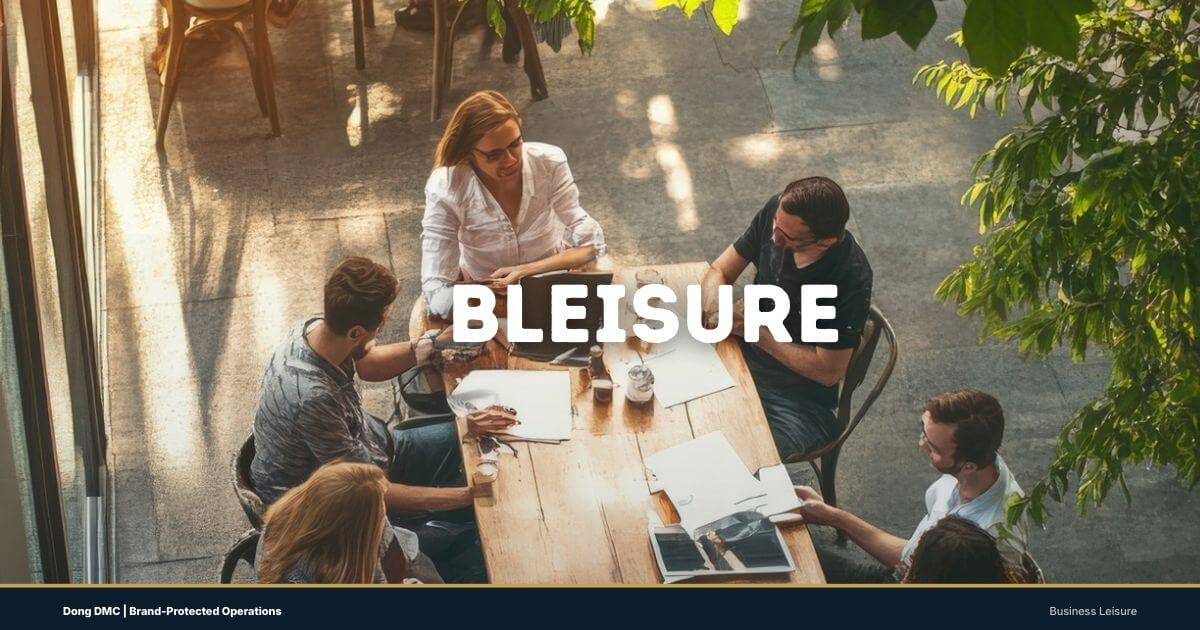
Bleisure Travel Explained: How Corporate & Incentive Planners Are Designing Smarter Programs

Bleisure is often framed as a traveler trend. For travel professionals, it is a planning layer: a modular extension that can increase perceived value and engagement when designed with clear operational boundaries.

Bleisure travel is often discussed as a lifestyle trend driven by individual travelers. For travel professionals, however, bleisure is not a trend. It is a design layer.

When applied deliberately, bleisure allows corporate and incentive programs to deliver higher perceived value, stronger engagement, and better return on travel investment. When applied poorly, it creates operational friction, cost overruns, and blurred accountability.

This article looks at bleisure from the planner’s perspective, not the traveler’s.

What “Bleisure” Really Means for Travel Professionals

At its core, bleisure refers to the combination of business travel with leisure time. For travel professionals, the distinction that matters is who controls the design.

  • Traveler-driven bleisure happens informally, outside the program.
  • Planner-enabled bleisure is intentionally structured into the itinerary.

Only the second belongs in professional program design. When bleisure is enabled by planners, it becomes part of the broader destination management and operational planning framework, not an add-on or afterthought.

Related reference
For broader planning context, see: Vietnam DMC operations and planning.

Why Bleisure Emerged: A Planner’s View

Bleisure did not emerge because travelers suddenly wanted holidays after meetings. It emerged because the structure of business travel changed.

Several forces converged:

  • Shorter core business schedules
  • Greater scrutiny on travel ROI
  • Higher expectations around experience and well-being
  • Incentive programs shifting from reward-based to outcome-driven

Where Bleisure Fits in Program Design

Bleisure should never replace the core objective of a trip. It should be positioned as an optional design layer.

Corporate offsites
Post-meeting decompression time without changing the business agenda.
Incentive trips
Leisure modules that reinforce motivation and recognition outcomes.
Sales kick-offs
Balanced intensity with recovery windows that protect energy levels.
Leadership retreats
Informal time supports relationship-building and alignment.

For adjacent planning frameworks, browse: incentive and corporate travel program design.

Destination Planning: Why Some Cities Work Better Than Others

Not all destinations are equally suitable for bleisure-enabled programs. From a planning perspective, effective bleisure destinations share common traits:

  • Short and predictable transfer times
  • Clear separation between business zones and leisure zones
  • A compact portfolio of high-quality experiences
  • Infrastructure that supports both groups and individuals

This is why destination suitability matters more than headline attractions. Destinations that allow planners to maintain control while offering meaningful leisure options consistently outperform those that require complex logistics.

Operational Considerations Travel Professionals Must Control

This is where bleisure programs often succeed or fail. Key operational considerations travel professionals must manage include:

  • Clear boundaries between group activities and individual extensions
  • Accommodation strategies that support optional stays
  • Transport planning that avoids cross-subsidization issues
  • Guide and staffing allocation for mixed-use programs
  • Liability and insurance clarity for post-program activities

Bleisure should simplify the participant experience, not complicate operations. Strong destination management depends on disciplined planning, not creative ambition alone.

Bleisure in Incentive Programs: When It Works — and When It Doesn’t

Bleisure works best in incentive programs when:

  • Participation is optional, not mandatory
  • Leisure time aligns with cultural or wellness objectives
  • The core incentive message remains intact

Bleisure should be avoided or limited when:

  • Schedules are already compressed
  • Group cohesion is critical throughout
  • Operational resources are constrained

Market Signals and Planning Outlook

Across Asia, bleisure continues to appear in corporate travel and incentive planning discussions not as a requirement, but as a flexible planning tool. This aligns with broader shifts toward balancing efficiency with experience.

For ongoing planning signals, see: current corporate travel and incentive trends (market & policy updates).

Key Takeaways for Travel Professionals
  • Bleisure is a design layer, not a product.
  • Planner control matters more than traveler preference.
  • Destination suitability outweighs attraction volume.
  • Operations define success more than creativity.
  • Optionality is essential to maintain program integrity.

When applied with discipline, bleisure enhances programs without diluting their purpose. When applied indiscriminately, it creates noise. The opportunity lies not in selling bleisure, but in designing it well.


Meet Our Founder: A Visionary with 20+ Years in Travel Innovation

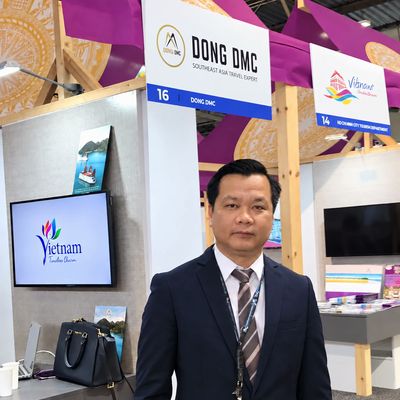
At the heart of Dong DMC is Mr. Dong Hoang Thinh, a seasoned entrepreneur with 20+ years of experience crafting standout journeys across Vietnam and Southeast Asia. As founder, his mission is to empower global travel professionals with dependable, high-quality, and locally rooted DMC services. From humble beginnings to becoming one of Vietnam’s most trusted inbound partners, Mr. Thinh leads with passion, precision, and insight into what international agencies truly need. His vision shapes every tour we run— and every story we share.

Leave a Reply
Recent posts
Why Bleisure Is Reshaping Corporate & Incentive Travel Programs in Asia
Hoang Thinh Dong - 18/01/2026
HCMC Conference Venues Guide for MICE Planners (2026)
Hoang Thinh Dong - 12/01/2026
Hanoi MICE Venue Capacity Guide for Planners (2026)
Hoang Thinh Dong - 07/01/2026