
 ID
ID IT
IT DE
DE ZH
ZH ES
ES FR
FRVietnam Airport & Arrival Handling for Travel Professionals
Airport arrival handling in Vietnam is more than meet-and-greet. It involves signage readiness, baggage awareness, dispatch logic, waiting-time control, guide coordination, and practical response when flights change. This page helps travel professionals understand how airport arrivals are usually structured for group tours, incentives, private travel, and special-interest programs in Vietnam.
What this page helps clarify
- How airport meet-and-greet is usually structured
- How group and private arrivals differ
- What affects dispatch speed and waiting time
- How delays and staggered arrivals are managed
- What travel professionals should clarify early
Short answer
How is a group airport arrival handled in Vietnam?
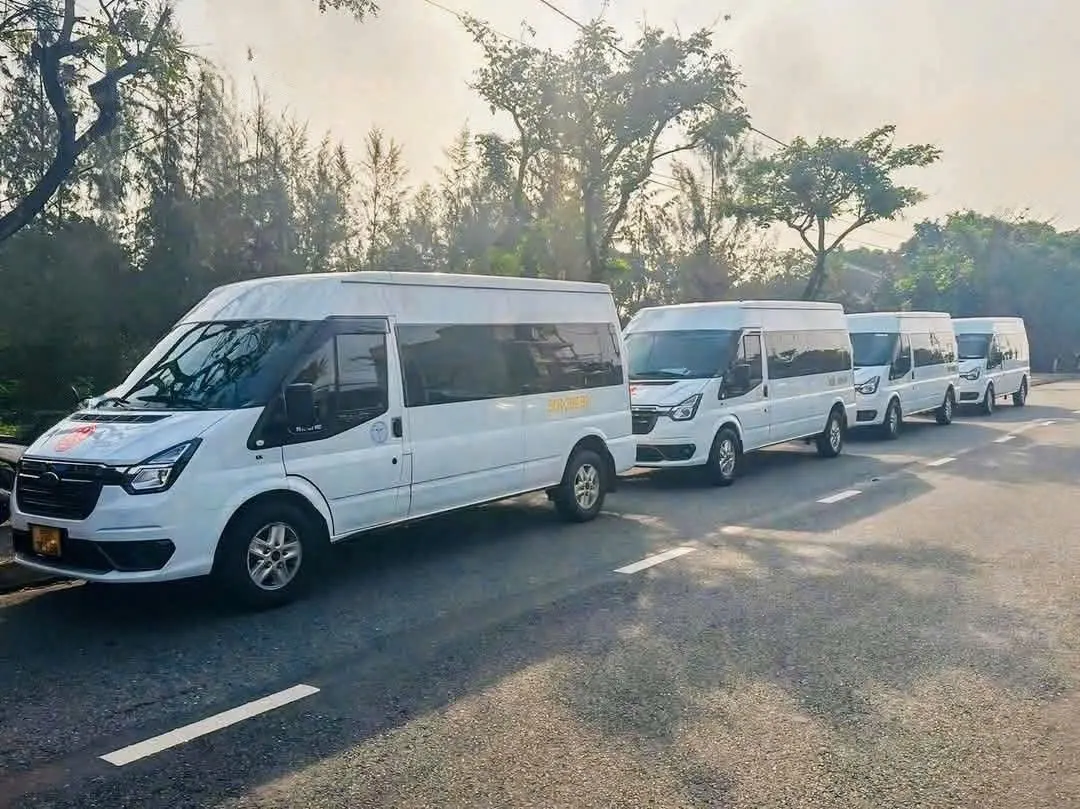
A group arrival in Vietnam is decided before landing: flight data checked against the rooming list, signage in the partner's brand, coaches staged before the group exits. On an 85-pax Philippine incentive into Hanoi, Dong DMC's team handled the luggage and the coaches left within 15 minutes of landing. A 24/7 ops hotline covers delayed or split flights during delivery.
What airport arrival handling means in Vietnam
In Vietnam, airport arrival handling refers to the local coordination that begins the moment travelers land and move through immigration, baggage claim, and the public arrival area. It usually includes meet-and-greet, name-board or branded signage, guide coordination, vehicle dispatch, and support for moving travelers smoothly from airport to hotel or first service point.
For travel professionals, this is one of the most visible parts of local execution. If arrivals feel calm, clear, and well controlled, confidence builds immediately. If they feel confusing, delayed, or uncoordinated, trust can weaken before the itinerary properly begins. For broader execution context, see our Vietnam DMC, Vietnam DMC Operations, and Vietnam Land Arrangement references.
Arrival handling sets the tone for the whole program and shapes traveler confidence from the first minutes on the ground.
Clear signage, accurate dispatch, and responsive communication reduce confusion when arrivals are busy or flight patterns shift.
Reliable arrival flow helps protect the travel partner’s credibility before hotels, sightseeing, or events even begin.
What is usually included
- Meet-and-greet in the public arrival area
- Guide or coordinator assignment
- Printed signage or name-board arrangement
- Vehicle dispatch based on confirmed arrival data
- Basic baggage-flow awareness and timing coordination
- Transfer support from airport to hotel or first stop
- Coordination for delayed, early, or staggered arrivals
- Operational communication between guide, driver, and team
- Escalation support if arrival flow changes materially
What is not always included
- Fast-track immigration unless specifically arranged
- Porterage or baggage porter service unless requested
- Visa or immigration handling beyond agreed scope
- Long waiting-time coverage beyond planned assumptions
- Extra vehicles caused by last-minute flight changes unless agreed
- Unplanned additional staffing at airport unless confirmed
- Services outside the agreed operational scope
Exact inclusions depend on the confirmed quotation, arrival pattern, and service assumptions. For responsibility split, see Service Scope & Boundaries.
Group arrival logic vs private arrival logic
Group arrivals
Group arrivals usually depend on stricter timing control, clearer signage, and well-planned dispatch logic. The local team may need to coordinate multiple passengers coming through at slightly different speeds, account for baggage delays, and hold vehicles until the right movement point is reached.
The larger the group, the more important it becomes to manage headcount, coach allocation, loading order, restroom timing, and realistic departure sequence from the airport.
Private or VIP arrivals
Private arrivals usually involve fewer people but higher sensitivity to timing, comfort, and service detail. The priority often shifts from volume control to discretion, smooth recognition, direct vehicle access, and reduced waiting exposure.
For premium programs, arrival handling may require closer guide-vehicle alignment, hotel notification, and more careful transition into the first experience on the itinerary.
How a typical arrival flow works
Arrival data review
Flight numbers, arrival times, terminal assumptions, and passenger count are checked before operation begins.
Meet-and-greet positioning
Guide or coordinator waits at the agreed pickup zone with signage and communication readiness.
Passenger assembly
Travelers are identified, counted, and guided toward the correct holding or transfer point.
Dispatch & departure
Vehicles are aligned, baggage load timing is managed, and the group moves onward to hotel or next service.
On simple programs this flow may be straightforward. On complex programs, it becomes a live coordination process shaped by traffic, terminal conditions, baggage timing, and the arrival pattern itself.
What affects arrival stability in real conditions
Flight delays or early arrivals
Dispatch assumptions can change quickly, especially when multiple services are linked to a single movement plan.
Staggered baggage release
Passengers may exit customs at different times, which affects assembly speed and departure timing.
Large group movement
Coach loading, headcount verification, restroom stops, and passenger flow take more time than the itinerary may suggest.
Multi-flight arrivals
Separate flights create waiting decisions, extra staffing needs, and more complex transfer sequencing.
Traffic and pickup access
Airport surroundings and city traffic can affect how quickly vehicles can position and depart.
Communication clarity
Unclear signage, passenger unfamiliarity, or missing contact logic can create avoidable friction at the first touchpoint.
Delay and change management
Arrival handling is not only about the original flight plan. It is also about what happens when that plan changes. Delays, airline schedule changes, baggage issues, and split arrivals can alter the transfer sequence quickly.
Strong local handling depends on having clear response logic: who monitors changes, when vehicles are adjusted, how guides communicate, and how onward services are protected if arrivals shift materially.
Why contingency matters
The most valuable arrival support often becomes visible only when things do not run exactly as planned. Calm re-sequencing, practical holding logic, and clear partner communication reduce stress at a moment when travelers are tired and expectations are sensitive.
For response structure, escalation pathways, and protection of timing stability, see our Risk & Contingency reference.
Common arrival scenarios travel professionals should anticipate
Single-flight group arrival
Simpler to coordinate, but still dependent on baggage timing, assembly speed, and coach dispatch discipline.
Multi-flight same-day arrival
Requires clear decisions on whether to consolidate, split transfers, or add waiting logic based on service priorities.
Late-night arrival
Raises sensitivity around hotel check-in readiness, staffing continuity, transport allocation, and traveler fatigue.
VIP or premium arrival
Needs more attention to privacy, smooth recognition, direct movement, and reduced waiting visibility.
Event or incentive arrival
Often tied to strict timing windows, branding expectations, and downstream program commitments such as dinners or briefings.
Series or repeated departures
Depends on consistent arrival playbooks so the experience remains stable across multiple operating dates.
Questions travel professionals should clarify early
Who will receive the travelers, and where will the meet-and-greet point be?
What signage format will be used for recognition and partner-brand protection?
How are multi-flight, delayed, or staggered arrivals handled operationally?
What waiting-time assumptions are built into the transfer and staffing plan?
How are baggage delays, missing passengers, or last-minute arrival changes escalated?
How does airport handling connect to hotel check-in, meals, and first-day itinerary timing?
Related operational references
Vietnam Land Arrangement
See how airport handling fits into the wider local execution structure across Vietnam.
Vietnam land arrangement referenceVietnam DMC Operations
Understand the broader operational design behind timing, coordination, and on-ground execution.
Vietnam DMC operations referenceRisk & Contingency
Review response logic, escalation pathways, and how plan changes are managed in real conditions.
Risk and contingency referenceVietnam Group Travel
Explore routing, coach flow, rooming pressure, and delivery logic for group programs.
Vietnam group travel referenceVietnam Incentive Travel
See how airport arrivals affect event timing, hospitality flow, and corporate group execution.
Vietnam incentive travel referenceService Scope & Boundaries
Clarify what is included in airport handling and what remains outside the agreed scope.
Service scope and boundaries referenceNeed a clearer arrival-handling structure for Vietnam?
Calm airport handling reduces confusion, protects program timing, and helps travelers feel properly received from the start. Clear assumptions and local coordination matter most before the first transfer even leaves the airport.