


Vietnam Tourism Trends 2025: Key Opportunities for Travel Agencies

Vietnam Tourism Trends 2025: Key Opportunities for Travel Agencies

Vietnam Tourism Trends 2025: What Is Changing — and How Travel Agencies Should Adapt

As Vietnam moves into 2025, several travel trends are no longer emerging — they are becoming operational realities. This market update interprets those shifts and explains what travel agencies, tour operators, and planners should adjust in their Vietnam programs to remain competitive and operationally sound.

At a glance — planning impact:
  • Demand is shifting toward sustainability, personalization, and experiential depth.
  • Product design must balance sellability with licensing, compliance, and operational feasibility.
  • Agencies that adapt early will gain pricing stability and partner confidence in 2025.

What Has Changed Heading into 2025

Unlike previous years where Vietnam’s growth was driven mainly by volume recovery, the 2025 outlook shows a clear qualitative shift. Travelers are becoming more selective, and buyers are placing higher expectations on experience design, compliance, and operational reliability.

These changes are not theoretical. They are already visible in booking behavior, product requests, and partner expectations across key inbound markets.

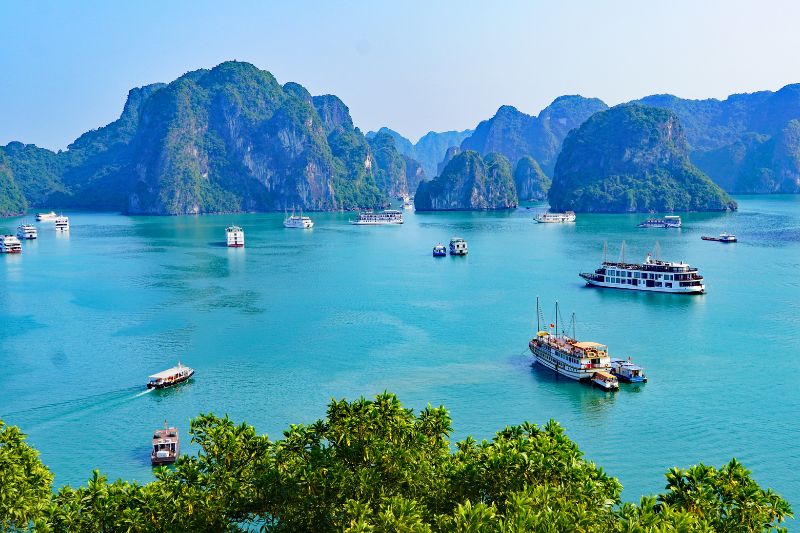
Ha Long Bay – premium nature and cruise experiences, Vietnam
premium nature-led travel remains a core driver, but 2025 buyers expect more experience depth and clearer operations.

Key Market Shifts Agencies Must Account For

1. Sustainability Is No Longer Optional

Sustainable tourism is transitioning from a marketing concept into a buyer expectation. Agencies are increasingly asked to justify environmental and community impact, particularly for destinations such as Sapa, Ha Long Bay, and Tam Coc – Hoa Lu.

Planning implication: Programs must move beyond sightseeing and incorporate responsible pacing, local engagement, and supplier transparency — without increasing operational risk.

Tam Coc – eco and cultural experiences in Northern Vietnam
sustainability and local engagement must be packaged in an operable format (realistic pacing, reliable suppliers, clear inclusions).

2. Cultural & Experiential Depth Is Driving Choice
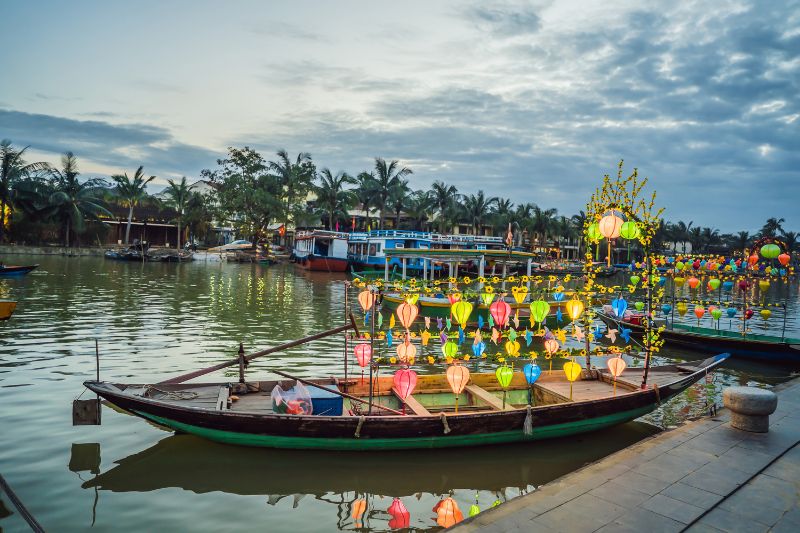
Demand is shifting toward immersive experiences that allow travelers to interact with local life, cuisine, and heritage. This is especially visible in destinations like Sapa and Hoi An.

Planning implication: Agencies should prioritize experiences that are authentic but also operable, avoiding overly fragile activities that increase execution risk.

Hoi An – heritage-led, experience-driven travel programs
Use case: heritage + experiential programs sell well, but require timing discipline and clear operational notes for groups.

3. Personalization Is Becoming a Standard Expectation

Travelers increasingly expect flexible itineraries tailored to their interests, pace, and comfort levels. Fixed, rigid programs are losing appeal.

Planning implication: Modular itineraries and optional components are becoming essential — but must be supported by a DMC capable of fast reconfiguration and reliable execution.

Sapa – nature and heritage experience design in Northern Vietnam
nature-led day tours work best when designed around crowd patterns, pacing, and realistic transfer times.

Planning & Sales Impact for Travel Agencies in 2025

Product Design

  • Shift from generic touring to experience-led itineraries
  • Balance sustainability claims with realistic on-ground delivery
  • Design programs that remain stable under operational pressure

Sales Positioning

  • Sell Vietnam as a value-rich, experience-diverse destination
  • Use sustainability and personalization as credibility signals
  • Differentiate through execution reliability, not just creativity

Operational & Compliance Considerations

As product complexity increases, compliance and operational validity become more critical. Vietnam requires international agencies to work with properly licensed local tour operators recognized by the Vietnam National Authority of Tourism (VNAT).

Operational implication: Agencies must ensure that itineraries, contracts, invoicing, and service delivery are aligned with Vietnamese licensing and tax regulations. Failure to do so increases legal and reputational risk.

What Agencies Should Do Next

  • Audit Vietnam programs against sustainability and experience expectations
  • Rebuild itineraries using modular, flexible components
  • Work only with licensed, compliance-aware local partners
  • Prepare sales teams to explain not just destinations, but execution logic

Related Planning Context


Conclusion

Vietnam’s tourism trends in 2025 are not just opportunities — they are signals. Agencies that adapt product design, sales messaging, and partner selection to these shifts will gain long-term advantage. Those that treat trends as marketing language rather than operational reality will face increasing friction.

FAQ – Vietnam Tourism Trends 2025 (For Travel Professionals)

This is a Market Update because it interprets shifts heading into 2025 and explains what travel professionals should adjust in planning, product design, and partner selection. It is not a timeless explainer; it is a change-and-impact brief.

Move from generic sightseeing programs to experience-led, modular itineraries. This allows agencies to meet growing expectations for sustainability and personalization while keeping programs operationally stable.

Keep sustainability practical and verifiable: choose reliable local suppliers, avoid fragile activities that break timing, and document what is actually delivered (community interaction, pacing, transport choices, and supplier standards) rather than using vague claims.

It means working with properly licensed Vietnamese tour operators (recognized by VNAT) and ensuring contracts, invoicing, documentation, and service delivery align with local licensing and tax requirements. This reduces legal and reputational risk for partners.

Yes. It highlights what is changing in 2025 and the simplest adjustments beginners should make: structure proposals with modular options, prioritize reliable execution, and select licensed partners to keep programs safe and operable.


Meet Our Founder: A Visionary with 20+ Years in Travel Innovation

At the heart of Dong DMC is Mr. Dong Hoang Thinh, a seasoned entrepreneur with 20+ years of experience crafting standout journeys across Vietnam and Southeast Asia. As founder, his mission is to empower global travel professionals with dependable, high-quality, and locally rooted DMC services. From humble beginnings to becoming one of Vietnam’s most trusted inbound partners, Mr. Thinh leads with passion, precision, and insight into what international agencies truly need. His vision shapes every tour we run— and every story we share.

Leave a Reply
Recent posts
Vietnam DMC Operations Glossary for Travel Pros (RFQ)
Hoang Thinh Dong - 03/02/2026
Vietnam DMC Public–Private Governance Guide for MICE
Hoang Thinh Dong - 02/02/2026
Vietnam Tourism Governance for Group & MICE Planners
Hoang Thinh Dong - 31/01/2026