 ID
ID IT
IT DE
DE ZH
ZH ES
ES FR
FR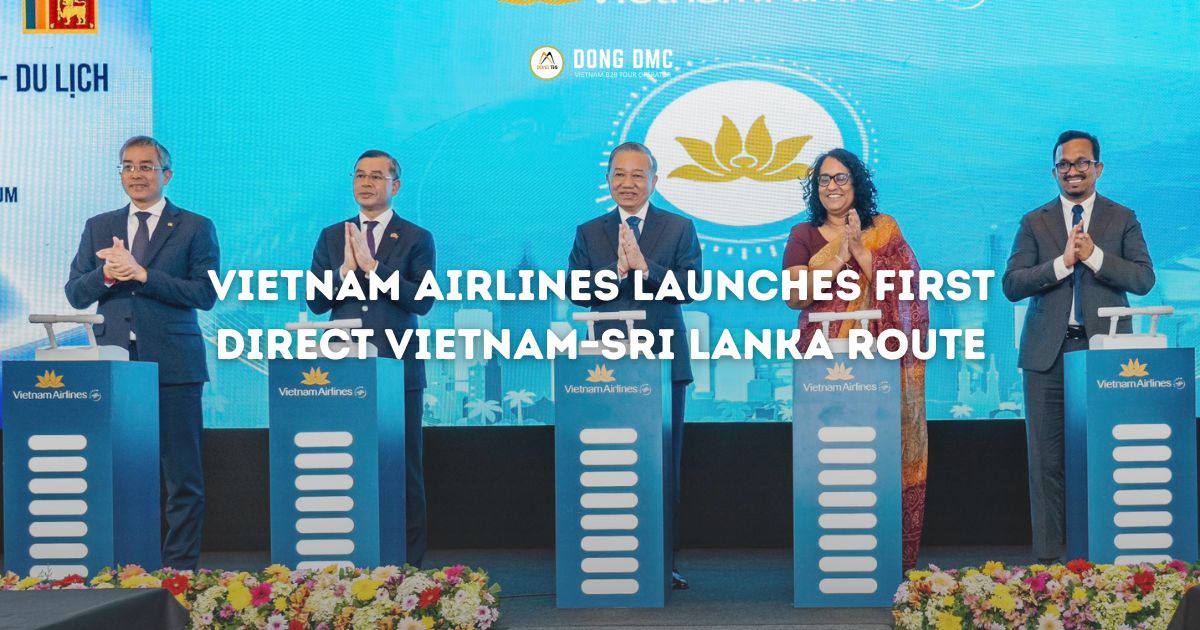
Vietnam–Sri Lanka Direct Flights: Agent Brief
Starting October 2026, Vietnam Airlines will operate direct flights between Ho Chi Minh City and Colombo, creating new planning opportunities for leisure, MICE, incentive, and multi-country programs. Vietnam Airlines has announced the launch of the first direct air route connecting Vietnam and Sri Lanka, marking a new step in tourism and regional connectivity between Southeast Asia and South Asia. From October 2026, the airline will operate direct flights between Ho Chi Minh City and Colombo using Airbus A321 aircraft, with a frequency of three round-trip flights per week. For travel professionals, the significance of this route goes beyond aviation news. The direct connection may reduce transit complexity, improve itinerary flexibility, and create new opportunities for Vietnam-focused leisure, MICE, and multi-country travel programs. Travelers moving between Sri Lanka and Vietnam have often relied on transit connections through regional hubs such as Bangkok, Kuala Lumpur, Singapore, or India-based gateways. This can create several planning challenges: The new direct route changes part of that equation. For travel professionals managing group operations, incentive travel, or Southeast Asia combinations, direct connectivity may simplify planning and improve overall program stability. The Colombo–Ho Chi Minh City route may strengthen Vietnam’s role as a regional gateway into Southeast Asia. For outbound Sri Lankan travelers, Vietnam can increasingly function as a standalone destination, regional entry point, or stopover hub for broader ASEAN itineraries. From Ho Chi Minh City, travel professionals can structure extensions toward: This becomes valuable for agencies designing Southeast Asia introductions, multi-country cultural programs, corporate reward trips, and educational travel circuits. Vietnam has become increasingly relevant as a regional incentive destination thanks to competitive hotel infrastructure, large-scale gala capabilities, diverse destination options, and efficient ground operations. The new Sri Lanka connection may improve feasibility for: For incentive planners, shorter routing often supports better attendance, reduced travel fatigue, improved schedule control, and more efficient event timing. One of the most overlooked aspects of direct air connectivity is operational stability. For travel professionals, direct flights can influence coach dispatch timing, airport handling coordination, arrival sequencing, meal planning, late-night check-in risk, and internal domestic flight connectivity. Transit-based itineraries often create: Direct routing may reduce some of these variables, especially for large incentive groups, senior travelers, pilgrimage movements, and tight conference schedules. The route currently operates only three times weekly. This means limited flexibility for last-minute adjustments, potential recovery challenges during disruptions, and more pressure during peak demand periods. The Airbus A321 is suitable for regional operations, but seat inventory may become constrained during holiday periods, festival seasons, and corporate travel peaks. Long-term expansion will likely depend on load factor performance, corporate demand, tourism growth, competitive pricing, and regional partnerships. Ho Chi Minh City, Mekong Delta, Central Vietnam, culinary tours, and cultural discovery circuits may become easier to package for Sri Lankan travelers. Ho Chi Minh City, Mekong Delta, Phnom Penh, and Siem Reap can be structured into more efficient multi-country itineraries. Vietnam’s MICE destinations, including Ho Chi Minh City, Da Nang, Hanoi, and Phu Quoc, may become more accessible for Sri Lankan corporate groups. The launch of the first direct Vietnam–Sri Lanka air route is not simply an airline expansion announcement. For travel professionals, it potentially represents reduced operational friction, improved itinerary efficiency, stronger regional connectivity, and new opportunities for Vietnam-focused travel products. However, the real long-term impact will depend on market response, route consistency, pricing competitiveness, and operational reliability. As Southeast Asia travel continues evolving, direct regional connectivity increasingly shapes not only traveler convenience, but also how efficiently travel professionals can design, operate, and scale programs across multiple destinations. Dong DMC supports travel professionals with structured Vietnam ground operations, itinerary planning, group handling, MICE coordination, and multi-country program development.Vietnam Airlines Opens Direct Ho Chi Minh City – Colombo Flights
Route
Operating Days
Ho Chi Minh City → Colombo
Wednesday, Friday, Sunday
Colombo → Ho Chi Minh City
Monday, Thursday, Saturday
Why This Route Matters for Travel Professionals
Vietnam’s Growing Role as a Southeast Asia Hub
Implications for Incentive and Corporate Travel
Operational Benefits Beyond Convenience
Important Limitations Travel Professionals Should Monitor
1. Limited Weekly Frequency
2. Aircraft Capacity Constraints
3. Route Sustainability Depends on Market Demand
Potential Travel Program Opportunities
Vietnam Leisure Programs
Vietnam + Cambodia Programs
Corporate and MICE Programs
What Travel Professionals Should Do Next
Planning Vietnam Programs for Travel Professionals