 ID
ID IT
IT DE
DE ZH
ZH ES
ES FR
FR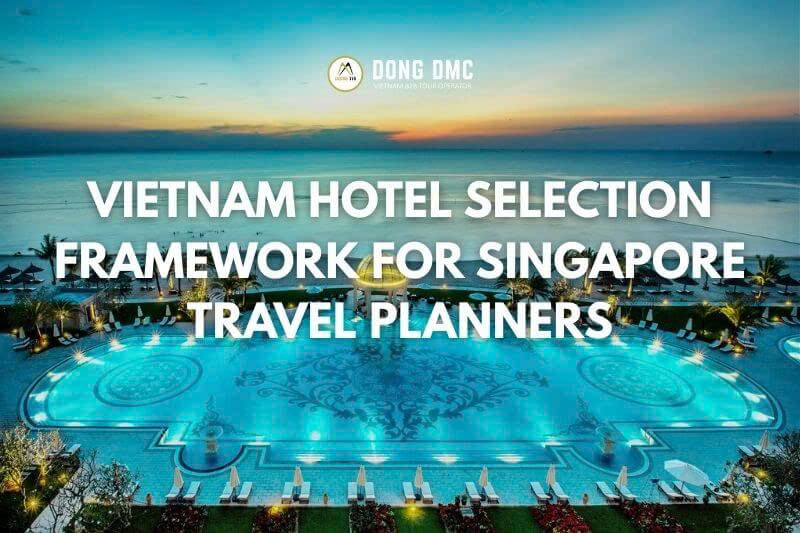
Vietnam Hotel Selection Framework for Singapore Travel Planners
Destination-fit before hotel fame For Singapore groups, the strongest hotel choice is usually the one that matches destination flow, guest expectations, and itinerary rhythm. Different cities need different logic Ho Chi Minh City, Hanoi, Da Nang, and Halong Bay behave differently. Hotel selection should reflect how each destination actually works. Useful before you shortlist This guide is designed to help Singapore planners compare hotel options with more confidence before quoting or presenting choices to clients. For Singapore travel planners, hotel selection in Vietnam is rarely just about star rating, visual appeal, or commercial rate. The harder question is whether the hotel fits the actual destination context and the way the program is supposed to move. A property may look strong in isolation but become a weaker choice once airport timing, dinners, meetings, excursions, and group flow are taken into account. This is especially relevant for Singapore-led programs because decision-makers often value reliability, pacing, and reputational safety. A hotel that creates small frictions during breakfast, arrival, or transfer timing can affect the perceived quality of the whole program. That makes hotel choice less about “best hotel” and more about “best fit for this destination and this group.” This page is written as destination intelligence, not as a hotel ranking list. Its purpose is to help travel planners compare hotel options across Vietnam with clearer logic, so the shortlist feels more grounded before it ever reaches the client. Practical lens The right hotel is not always the most famous one. It is often the property that supports the itinerary with less friction and more predictable guest experience. In Ho Chi Minh City, district logic matters more than broad “central” positioning. The right hotel often depends on how the group needs to move between airport transfers, business appointments, dinners, shopping stops, and city-based experiences. A property that feels central on a map may still create unstable timing because of traffic patterns or awkward access during peak periods. For Singapore groups with tighter schedules, transfer predictability often matters more than prestige alone. Hanoi hotel logic often depends on whether the program prioritizes official movement, cultural atmosphere, Old Quarter access, or smoother connections to meetings and outbound sectors. Different zones create very different travel moods and timing realities. For some Singapore groups, lake-area properties may feel calmer and easier to position. For others, proximity to the Old Quarter or to specific event venues may matter more. The hotel choice has to reflect the intended character of the stay, not just the city name. In Central Vietnam, the first distinction is often between beach-led resort rhythm and more movement-intensive programs that involve dinners, events, or excursions across Da Nang and Hoi An. A resort can be highly attractive for leisure and incentive groups but less convenient if the schedule requires repeated movement. This is where destination fit becomes important. If the program is experience-led and slower-paced, the beach setting may be ideal. If there are multiple evening movements or structured corporate timings, convenience may matter more than resort atmosphere. For Halong Bay, the hotel is often not the destination by itself. It usually supports the transition before or after a cruise. That means timing to embarkation, luggage flow, staging, and room use pattern often matter more than the depth of the hotel experience. For Singapore planners, the key question is often whether the stay helps the cruise-linked journey feel smooth and well-paced. A strong hotel fit here is usually about transition support rather than standalone glamour. These groups usually need stronger timing discipline, easier morning flow, efficient breakfast service, and dependable access to meeting venues or dinner functions. Here, smoothness often matters more than resort-style appeal. Incentive groups often respond better to atmosphere, visual impact, shared experience value, and memorable setting. But the hotel still has to support gala timing, group photo flow, coach access, and meal rhythm. These groups usually benefit from properties that can handle repeated arrival patterns, rooming consistency, practical breakfast throughput, and a smoother balance between convenience and value. This segment tends to place higher emphasis on privacy, service consistency, room category clarity, and how quietly the hotel handles special requests or small disruptions. A calm service rhythm often matters as much as luxury branding. Location fit to itinerary Judge the hotel by how it supports the actual movement pattern of the trip, not just by map reputation. Airport timing, dinner movement, meeting venues, shopping stops, and departure windows all matter. Breakfast and shared-space flow A hotel that looks polished may still become stressful during peak breakfast windows or group check-out periods. Shared-space behavior matters more than brochure appearance. Room consistency Check how consistent the room product really is across the block. Wide variation inside one category can create expectation gaps, especially when clients approve remotely. Access to key program moments Some hotels work well for overnight stay but poorly for the rest of the itinerary. Compare how easily the property connects to gala dinners, excursions, site visits, or business appointments. Service rhythm for your group type The question is not only whether the hotel is good, but whether it is good for your group profile. A property that suits slower leisure stays may not be the best fit for morning-heavy corporate movement or high-expectation executive travel. These patterns do not mean a hotel is weak. They simply indicate that the property may fit one kind of program better than another. Why this helps Most hesitation in hotel choice comes from fear of mismatch, not from lack of options. Naming the mismatch patterns early helps planners explain choices with more confidence and fewer unknowns. Start with destination logic first, then define the group type, then compare only 2–3 properties by actual program fit. This creates a calmer and more defensible shortlist than trying to compare too many options based on brand or price alone. Simple internal sequence Choose city → define group type → compare by flow and fit → explain trade-offs clearly to client. A practical internal-use reference for comparing hotel options by destination fit, group suitability, and common mismatch risks. It is designed to support clearer shortlisting, not to push a fixed hotel list. You can also request a city-based hotel-fit note by date window and group type before finalizing your shortlist. Get the PDF cheat sheet used for Singapore group hotel planning Save time during quoting, reduce hotel-related mismatch, and compare Vietnam hotel options with clearer destination logic.Why hotel choice in Vietnam is really a destination-fit decision
How hotel logic changes across Vietnam destinations
Destination intelligence starts with city behavior, not hotel photosHo Chi Minh City
Hanoi
Da Nang and Hoi An
Halong Bay and cruise-linked stays
How group type changes what “good hotel” means
Corporate meeting groups
Incentive groups
Leisure series groups
VIP and executive groups
The 5 checks before you shortlist a hotel
A practical filter for Singapore plannersCommon hotel mismatch patterns to watch for
A simple method for building a better shortlist
Download the Vietnam Hotel Planning Reference for Singapore Programs
Useful for