 ID
ID IT
IT DE
DE ZH
ZH ES
ES FR
FR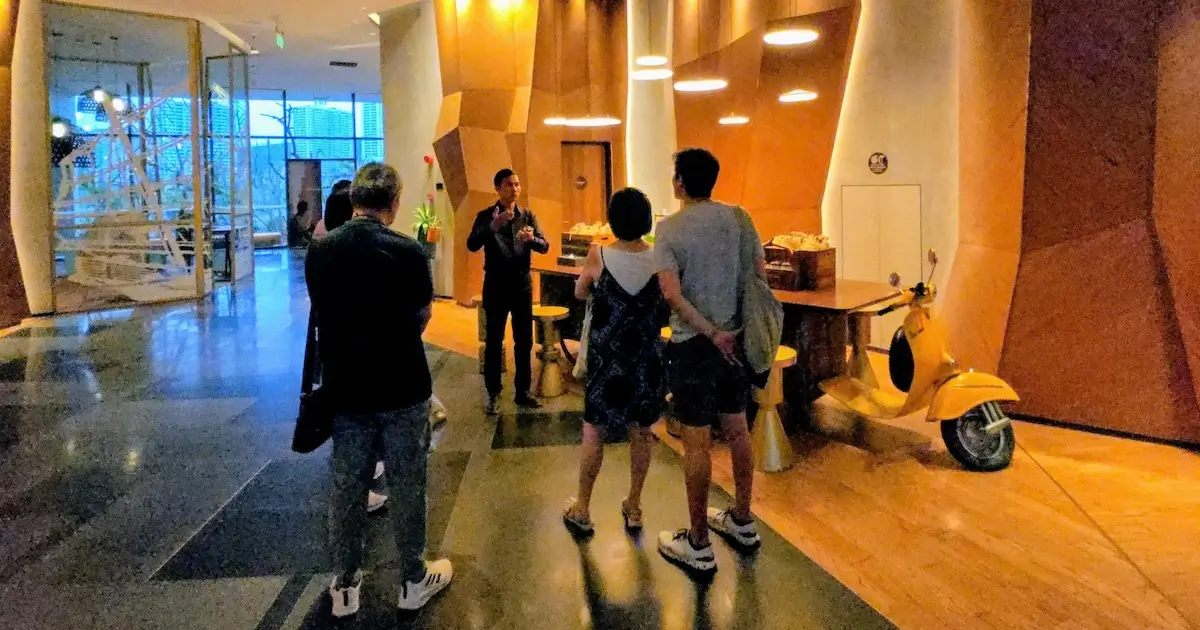
How Dong DMC Inspects Northern Vietnam Suppliers
Every supplier that touches a Dong DMC partner program — hotel, cruise, restaurant, transport operator, activity provider — is inspected on the ground before it enters our operational network. This post explains how that works for Northern Vietnam: what we check, why it matters to partners, and findings from our most recent Northern inspection cycle.
The focus here is on the Northern region — Hanoi, Sapa, and Halong Bay. Central Vietnam and Southern Vietnam methodology posts will follow in this series.
Why inspection is a separate function, not a sales activity
Most operators treat supplier site visits as relationship-building — a sales manager meets a hotel DOSM, has lunch, moves on. That is not an inspection. It is a sales call with a tour.
Our inspection function runs independently of commercial negotiation. The person writing the inspection report has no incentive to approve a supplier, and the approval threshold is set by what would be defensible to a partner whose group is arriving in 90 days. The outcome is a short written assessment — approve, approve with conditions, or reject — that goes into our operational database.
Three reasons this matters to partners:
- Undercost operator discipline. A cheaper supplier is not necessarily a worse supplier, but a cheaper supplier hiding forced shopping stops, low-quality meals, or undertrained guides is a brand risk to the partner, not to us. Inspection catches this.
- Execution predictability. An approved supplier has a known failure profile. We know where things break and what the workaround is. That is the difference between a partner receiving a calm WhatsApp update at 11pm ("swapped to the backup property, everyone is in rooms") and a panicked phone call.
- Repeatability. Once a supplier is in the approved set, we can commit to group handling standards across every future program. Partners are not getting a different Vietnam from us each time.
The standing checklist: what we inspect, every time
Regardless of supplier type, the baseline inspection covers seven categories:
- Capacity and group handling. Maximum group size the supplier can take without degradation. Staff-to-guest ratios during peak. How multiple concurrent groups are sequenced (meal timing, room assignments, coach loading).
- Commercial structure. Net rate transparency. Whether forced shopping, undisclosed tipping requirements, or "optional" add-ons are built into the commercial model. Any of these three means automatic rejection.
- Staff language and training. English capability of front-of-house staff. Knowledge of Western dietary requirements (vegetarian, Jain, kosher, halal, gluten-free). Experience with the specific source markets partners serve.
- Physical condition. Maintenance state of rooms, boats, vehicles, or venues. Bathroom condition (the single most common complaint point on group programs). Visible wear on public areas. Cleanliness protocols.
- Safety and compliance. Fire safety certification. Vehicle insurance and driver licensing for transport. Boat safety equipment and crew certification for cruises. Food safety practices for restaurants. Activity provider insurance coverage.
- Brand alignment. How the supplier handles Western group travelers. No two-tier "tourist menu" treatment, no hard-sell on additional services, no staged cultural performances marketed as authentic experiences.
- Failure recovery. What happens when something breaks. Overbooking protocol. Weather cancellation handling. Medical incident response. We ask these questions directly and evaluate the answer.
Sapa: inspection findings from the field
Sapa's 2026 Condé Nast recognition is pushing more partner demand into the region, which makes supplier discipline more important, not less. The standard problem: as demand rises, marginal operators take bookings they cannot handle, and partner groups end up with the bad experience.
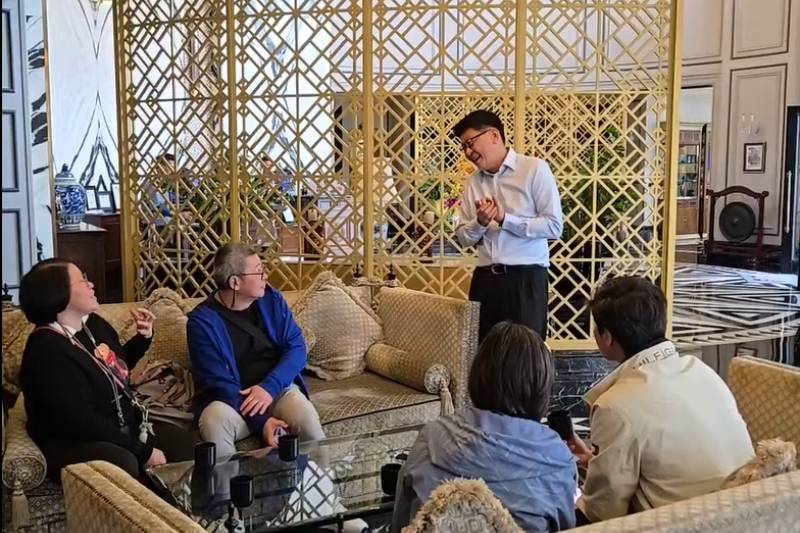
During our most recent Northern inspection cycle, our team was based at Bamboo Sapa Hotel and conducted a parallel inspection and working breakfast hosted by the GM of Silk Path Grand Resort & Spa Sapa — giving us direct comparison points on two different property tiers operating in the same market.
What we look at in Sapa specifically:
- Altitude and weather preparedness. Sapa sits at 1,500m. Winter fog can close the Phanxipang cable car unpredictably, and electrical supply is less reliable than in Hanoi. We verify what each hotel does when the cable car closes mid-program — whether they have a standing alternative itinerary (indoor cultural village, local market visit, spa programming), or whether they leave groups sitting in the lobby.
- Heating and winter room condition. Northern Vietnam's winter is colder than many Western guests expect. We check heating output room-by-room, not just at reception.
- Staff continuity. Sapa has a high staff turnover problem compared to Hanoi and coastal properties. We ask how long the current F&B and housekeeping teams have been in place — short tenure correlates with service inconsistency.
Activity and F&B suppliers inspected in the current Sapa cycle:
- Sun World Fansipan Legend — cable car, cultural village, and the buffet restaurant at the summit level. The chef invited us through the buffet area where our groups typically take lunch and confirmed menu flex options (vegetarian, Indian dietary requirements, Western preferences) — a detail that matters for mixed-nationality incentive groups where meal accommodation is the most frequent friction point.
- Sapa town walk — the lake circuit and a short route past the cafés popular with social media-driven travelers (Moana Café among them). Approved as a 60–90 minute soft-activity filler for groups arriving early or waiting out weather.
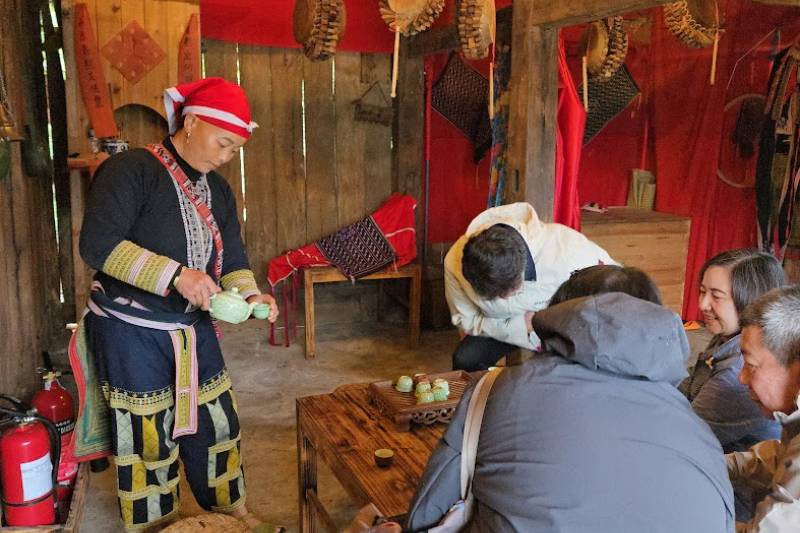
- Red Dzao community restaurant — traditional herbal-bath and meal experience run by local ethnic operators. This is one of our named community partners on the sustainability side. Inspection focus here is not Western luxury standards — it is authenticity, hygiene baseline, and capacity for group sizes up to roughly 40 pax without losing the intimate character that makes it worth including.
- Local massage providers — we sample the actual service rather than take the sales pitch. Standards checked: pricing transparency, pressure-sell behavior, hygiene of linens and equipment, and whether practitioners actually speak enough English to understand "lighter pressure" or "neck only."
Halong Bay: hotel and cruise inspection
Halong Bay is the Northern program anchor most exposed to operator quality variance. The bay has hundreds of cruise operators — from single-boat family businesses to large fleets — and the visual product (same limestone karsts, same emerald water) can hide very different execution standards.
On the current cycle our team stayed at Citadines Marina Halong, hosted by the GM and DOSM, followed by a hotel inspection and then a full-day large-cruise inspection.
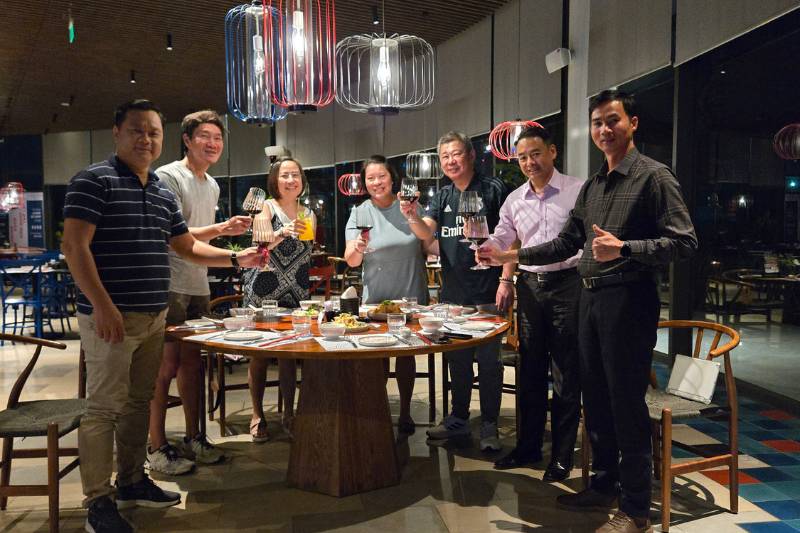
Citadines Marina Halong — approved for the incentive and large-group segment. Key findings:
- Apartment-style room inventory works well for longer-stay incentive groups needing kitchenettes and laundry.
- Group check-in handling was efficient during our observation — bags tagged and delivered in under 40 minutes for a sample group-size simulation.
- Proximity to the marina reduces transfer time to cruise boarding, which protects program timing.
Large-cruise day-trip operator — approved with conditions. We inspected a full-day large-cruise product positioned around entertainment programming and a buffet lunch. The product works for the right group profile, but we documented a specific failure point:
Field finding: buffet bottleneck on large day-cruises.
When the vessel was near capacity, the single buffet line could not keep up with concurrent demand. Guests queued for extended periods, hot food ran out at service points furthest from the galley, and the dining window compressed the onboard entertainment schedule. This is a manageable issue on smaller group counts but becomes visible above roughly 120–150 concurrent diners.
What this means for partner program-building: we do not remove the operator from the approved set for this — the product is sound for the right configuration — but we apply two conditions when we recommend it:
- Group size cap, or request that the operator split service into two seatings when our group is aboard alongside other bookings.
- Clear expectation-setting to the partner before booking: this is a social, high-energy cruise product, not a premium dining experience. Different groups want different things.
For partners needing a quieter, premium Halong product, our default recommendation remains Paradise Luxury Cruise — referenced on our luxury cruise page — where dining and service ratios are built for the premium segment rather than retrofitted onto a volume product.
What inspection findings actually do
A field finding like the buffet bottleneck does not go into a drawer. Each inspection produces three outputs:
- A status update in our supplier database — approved, approved-with-conditions, or rejected — with the specific conditions written out.
- Program-building flags that automatically surface when a sales or ops team member tries to build an itinerary using that supplier for a group profile it is not well-suited to.
- Follow-up communication with the supplier on the specific issue. In the cruise example above, the buffet capacity issue was raised with the operator directly. Inspection findings are not private judgments — they are the basis for supplier conversations that raise the operational floor over time.
Inspection cadence
Our minimum inspection frequency for Northern Vietnam suppliers in active use:
- Hotels: annual re-inspection, plus a fresh check after any GM or F&B leadership change.
- Cruises: seasonal — separate inspections before and during peak season because onboard execution changes when occupancy doubles.
- Restaurants and community experiences: annual, with spot checks during live group delivery.
- Transport operators: quarterly vehicle check, plus random ride-along inspections with our live groups.
New suppliers — particularly in fast-growing markets like Sapa and Phu Quoc — get a first inspection before any partner booking, and a second follow-up inspection within the first 90 days of going live. The gap between what a supplier promises during a first meeting and what they actually deliver on the third group in a row is where most partner program failures originate.
Central and Southern Vietnam methodology — coming next
This post covers Northern Vietnam. Forthcoming pieces in this series:
- Central Vietnam supplier inspection — Da Nang incentive venues (Ariyana and peer properties), Hoi An small-group authenticity, Hue cultural suppliers, and the specific challenges of the Da Nang–Hoi An–Hue logistics triangle.
- Southern Vietnam supplier inspection — Ho Chi Minh City MICE venues (SECC, GEM Center), Mekong Delta experience operators, Phu Quoc resort tier, and the visa-free positioning that is reshaping partner demand in the region.
Partner takeaway
The short version for travel professionals building Vietnam programs: every supplier in our recommendation set has been through this. When we propose a hotel, cruise, restaurant, or activity, it has already been inspected, its failure modes are already known, and its group-handling conditions are already written down. Partners are not buying our judgment in the abstract — they are buying a documented supplier network with an audit trail behind it.
Building a Northern Vietnam program and want to see our current approved supplier set?
Contact ops with your group profile and we will share routing, net rates, and supplier recommendations within 60 minutes for priority requests. Contact ops directly or reach us at office@dongdmc.com.