 ID
ID IT
IT DE
DE ZH
ZH ES
ES FR
FR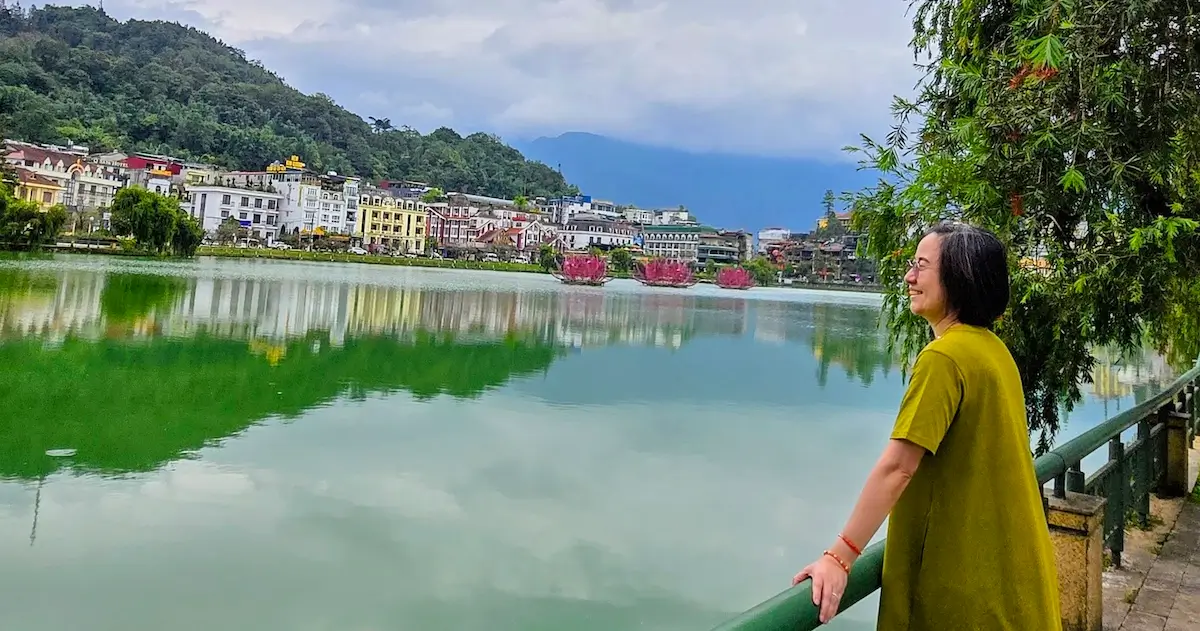
Sapa in Condé Nast's Most Beautiful Towns 2026
In April 2026, Condé Nast Traveller published its list of the 53 most beautiful small towns on the planet. Sapa was the only Vietnamese destination named. It sits alongside Rovinj (Croatia), Chefchaouen (Morocco), Varenna (Italy), Biei (Japan), and Bled (Slovenia).
For travel professionals designing Vietnam programs, this is not just a media moment. It is a demand signal — and it has operational implications worth understanding before your inbox catches up with the recognition.
What Condé Nast Traveller said about Sapa
The magazine highlighted Sapa's highland landscape, terraced rice fields, proximity to trekking routes and waterfalls, and the distinctive cultural atmosphere created by ethnic minority communities including the Hmong, Red Dao, Tay, and Giay. The publication recommended Topas Ecolodge as a standout stay — a hilltop property approximately 45 minutes from town with private pool villas and unobstructed valley views.
The framing aligned with a broader editorial shift at Condé Nast toward destinations defined by slow travel, authentic cultural connection, and natural landscapes rather than infrastructure or resort density. Sapa fits that profile precisely.
Why this recognition matters for travel professionals
Condé Nast Traveller reaches the high-intent, high-spend leisure traveler — exactly the profile driving growth in luxury FIT, premium leisure, and incentive reward travel. When a destination appears on this kind of list, demand from that segment follows within weeks, not months.
For travel professionals, the practical implications are:
- Increased inbound enquiries for Sapa programs — from clients who have seen the coverage and are now asking specifically for Sapa, not just "North Vietnam"
- Rising pressure on hotel allotments — particularly out-of-town luxury properties like Topas Ecolodge and Ville De Mont, which have limited inventory and already see tight availability in autumn peak season (September–November)
- New source markets showing interest — European and Western leisure travelers, for whom Condé Nast is a primary discovery channel, are now finding Sapa through a source they trust
- Incentive buyers reconsidering North Vietnam — corporate buyers who previously defaulted to Danang or Phu Quoc for incentive programs are beginning to evaluate Sapa as a differentiated highland option
What Sapa actually is — for program planning purposes
Sapa is already Dong DMC's second most-requested destination overall, behind only Hoi An. Approximately 60% of North Vietnam groups route Hanoi to Sapa direct. The Condé Nast recognition will accelerate enquiries from markets that were not yet converting — it will not change what Sapa is operationally.
That distinction matters. Recognition increases demand before it increases planning sophistication. More partners will quote Sapa programs in the coming months without fully understanding how the destination operates.
The key operational realities that do not change with the recognition:
- No direct international flight. All groups enter through Hanoi Noi Bai (HAN). Transfer mode — chartered bus, sleeper bus, private limousine, or shared limousine — is the first program design decision, and it must match the group profile.
- No large coaches in Sapa town. Roads are narrow mountain streets. All large-vehicle transfers terminate at drop-off points on the town perimeter. Final-mile hotel access requires smaller vehicles or on-foot luggage handling. This applies to every program type without exception.
- Accommodation zone determines evening experience. Town center properties (Bora, BB Hotel, Delasol, Bamboo, Pistachio, Green Forest) suit Asian market groups who go out after dinner. Out-of-town resorts (Ville De Mont, Topas Ecolodge) suit European and Western travelers who prefer isolation and atmosphere. Village homestays in Lao Chai and Ta Van suit cultural immersion programs. The wrong zone creates a mismatch that no itinerary can fully correct.
- Autumn allotments book out early. September to November is the golden rice terrace season — the highest visual return and the period most likely to generate enquiries following this recognition. Groups not booked 6–9 months in advance will face limited property availability at quality properties.
Which program types benefit most from the recognition
Luxury FIT and premium leisure — the segment most directly influenced by Condé Nast. Clients who read the article and ask specifically for Sapa are typically high-spend, low-volume, and expect property quality, private transport, and curated cultural access. This is the segment where Ville De Mont and Topas Ecolodge are the right answer, and where private limousine van from Hanoi hotel is the standard transfer.
Incentive programs — the recognition gives incentive buyers a validated, media-backed rationale for choosing Sapa over a more conventional resort destination. "Condé Nast's most beautiful town" is a selling point that works in award program communications. For groups of 30 to 200+ pax, chartered sleeper bus (budget-conscious) or chartered day bus (premium) handle the Hanoi–Sapa movement at scale.
Adventure and cultural programs — Sapa's positioning in the Condé Nast list was built on exactly what these programs deliver: ethnic minority communities, trekking routes, terraced landscapes, and genuine highland atmosphere. The recognition validates what operators in this segment already know and gives them stronger editorial support when presenting itineraries to clients.
What to do now if you are planning Sapa programs for late 2026
- Secure autumn allotments immediately. September–November is the window most likely to see enquiry spikes following this recognition. Out-of-town luxury properties in particular have limited inventory. If you have confirmed or near-confirmed groups for this window, allotments should be locked now.
- Confirm transfer mode with your DMC before quoting. The transfer from Hanoi to Sapa is the first program experience. A family luxury group quoted on a sleeper bus, or an incentive group quoted without accounting for the town coach restriction, creates problems that cannot be corrected on arrival day.
- Match accommodation zone to source market. Asian market groups and European market groups have different evening behavior and different expectations of what a highland destination should feel like. The hotel zone decision should be made at itinerary design stage, not at rooming list stage.
- Brief your clients on what Sapa is — not just what it looks like. The Condé Nast images are beautiful. The reality is equally compelling. But it is a highland destination with altitude, weather variation, narrow mountain roads, and a fundamentally different operational profile from Danang or Phu Quoc. Clients who understand this in advance have better experiences. Clients who arrive expecting resort infrastructure have a harder time.
For travel professionals planning North Vietnam programs
The full operational reference for Sapa — transfer mode selection, accommodation zones, coach access constraints, program types, key variables, and risk scenarios — is available in the Sapa DMC planning guide.
For North Vietnam routing logic and how Sapa fits within a Hanoi → Sapa → Halong Bay circuit, see the Vietnam Location DMC guide.
For incentive program structure and budget tiers, see Vietnam Incentive Travel.
For adventure and cultural program types where Sapa is a primary destination, see Vietnam Adventure & Special Interest Luxury.
To discuss a specific Sapa program enquiry, contact Dong DMC operations directly.