 ID
ID IT
IT DE
DE ZH
ZH ES
ES FR
FR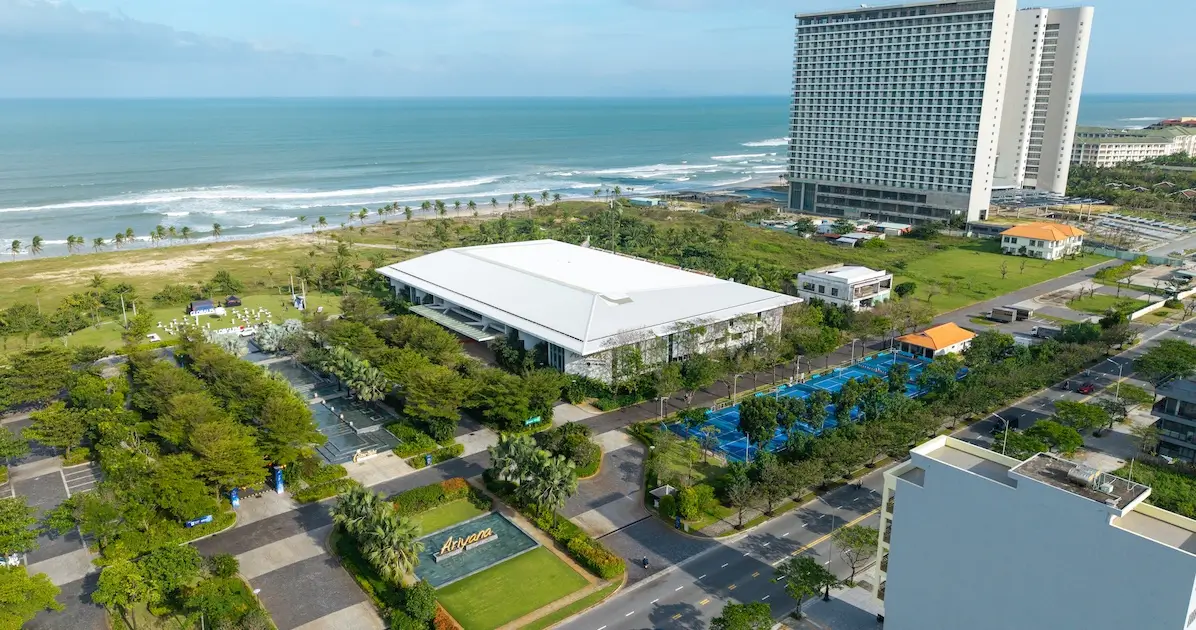
Why Vietnam Tourism Is Outperforming Its Neighbors
A new Phocuswright report, A Market Rewired: Ten Structural Shifts Redefining Asia Pacific Travel, names Vietnam among the region's clear winners for 2026 — alongside Japan and Central Asia — while flagging Thailand and Cambodia as facing real headwinds.
For travel professionals building Vietnam programs in the next 6–12 months, the findings matter less as macro commentary and more as a set of operational signals. Below is how we read the report from inside Vietnam — where these shifts show up first at supplier level, in booking patterns, and in what partners are actually asking for.
1. Vietnam's position is structural, not seasonal
Phocuswright's winner-loser reordering is not a short-term blip. It reflects a combination of political stability, visa policy (including Phu Quoc's visa-free access and the expanded 90-day e-visa), infrastructure build-out in Da Nang and Phu Quoc, and continued hotel supply growth across all three regions.
For partners, the operational takeaway is that Vietnam can now absorb program types that two or three years ago would have defaulted to Thailand — large incentive groups at Ariyana Da Nang (2,500 pax capacity), MICE programs at SECC (40,000 sqm) or NCC Hanoi (3,500 pax), and luxury FIT routings across 40+ contracted premium properties.
2. The Cambodia -36% number changes how cross-border programs should be built
The report cites a 36% drop in foreign arrivals to Cambodia in late 2025, driven primarily by the Cambodia–Thailand border tensions. Thailand–Cambodia combined programs are the segment most exposed.
Vietnam–Cambodia programs are a different story, but the operational discipline matters more now than it did a year ago. Key points for partners:
- Single-DMC coordination is no longer a preference — it's a risk control. Splitting ground handling between a Vietnam operator and a separate Cambodia operator during a period of regional instability introduces handoff risk at exactly the wrong moment.
- Air routing from Vietnam into Siem Reap remains stable (direct flights HAN/SGN to REP). This is the cleaner pathway into Angkor right now compared to overland Thailand–Cambodia crossings.
- Visa coordination for mixed-nationality groups is where most programs stall. Our Vietnam & Cambodia Luxury Programs page covers the handling in detail.
Partners with Cambodia-heavy 2026 programs should be reviewing routing now, not in Q2.
3. India outbound to Vietnam: the growth signal is real
Phocuswright highlights an 1,800% year-over-year surge in India-to-China travel interest following restored direct flights, and names India as one of the region's engines of growth alongside Indonesia and Malaysia — economies entering peak consumption years.
The Vietnam-facing implication is straightforward. India outbound to Vietnam has been one of the fastest-growing source markets on our books for two years running, and the profile has matured:
- Larger family groups (15–40 pax) with wedding and celebration components
- Corporate incentive groups with specific F&B requirements (vegetarian/Jain options, Indian nights)
- Growing luxury FIT segment using Michelin Key properties as anchors
Partners working the India market should assume this continues through 2026. We maintain a dedicated India partners resource covering net rates, F&B handling, and logistics for the segment.
4. Japan's -3% forecast is a secondary opportunity
Phocuswright forecasts a 3% decline in Japan's 2026 inbound visitors, largely attributed to weaker Chinese demand following diplomatic strain. Japan remains a premium destination, but the softness creates an opening.
For partners whose core business is Japan programs, Vietnam is the most logical complementary destination to add — similar price-point positioning for luxury, comparable cultural depth, and far simpler visa handling. We are already seeing partners who traditionally sold Japan-only itineraries expanding into Vietnam as a second-leg or alternative-year destination.
5. What to ignore (for now)
Not every trend in the Phocuswright report translates directly into DMC operations:
- Short-term rentals reaching 25% of APAC accommodation bookings by 2028 is accurate at the leisure-FIT level but does not change how groups, MICE, and incentive programs should be built. Branded-hotel contracting with allotments, audit trails, and liability coverage is still the operational baseline for any program above 10 pax. STRs do not carry the commercial infrastructure required for group liability.
- Fintech and real-time payment rails are relevant for consumer-facing brands. For B2B DMC work, net-rate invoicing and standard trade payment terms continue unchanged.
- Rail share growth to 22% by 2028 is driven primarily by China, Japan, and India. Vietnam's North–South rail upgrade is progressing, but for 2026 programs, air and road remain the operational backbone. The Vietage luxury train is bookable and differentiated, but it's a product segment, not infrastructure replacement.
Partners should weight operational reality over headline trends when building 2026 contracts.
6. Planning priorities for Q2 2026 programs
Summarizing what the Phocuswright findings mean for partner planning right now:
- Lock Vietnam MICE and incentive dates early for Q3–Q4 2026. Named venues (Ariyana, GEM Center, SECC, NCC) are already taking holds. Hotel allotments for peak season (Oct–Dec) are tightening faster than in 2024.
- Review Cambodia-leg routing for any 2026 program touching both countries. Prefer air routing into Siem Reap, single-DMC coordination, and build a 48-hour risk buffer for land border crossings if they remain in the itinerary.
- Prepare for India outbound volume growth. If your agency serves India and has not yet built a Vietnam product line, 2026 is the year to do it. We can provide net rates and sample programs within 60 minutes of a briefing.
- Consider Vietnam as a Japan-complement product for partners whose 2026 Japan pipeline is softer than expected.
How Dong DMC supports partners on these shifts
As the inbound DMC on the ground in Vietnam, we track these changes at supplier level — hotel allotments, venue availability, airport capacity, visa processing times — rather than at macro trend level. Partners working with us get routing recommendations, net-rate quotes, and white-label execution based on what is actually operable in the quarter ahead, not what a trend report suggests for 2028.
Quote turnaround is under 60 minutes for MICE and incentive priority requests. The ops hotline runs 24/7 during live delivery.
Reviewing 2026 Vietnam programs in light of these shifts?
We're happy to work through specific routing or pricing questions with partners. Contact ops directly or reach us at office@dongdmc.com.
Source: Phocuswright, "A Market Rewired: Ten Structural Shifts Redefining Asia Pacific Travel" (2026). Findings to be discussed at Phocuswright Europe 2026, Barcelona, 15–17 June.