 ID
ID IT
IT DE
DE ZH
ZH ES
ES FR
FR
Da Nang Beach Group Logistics | Timing & Risk Playbook
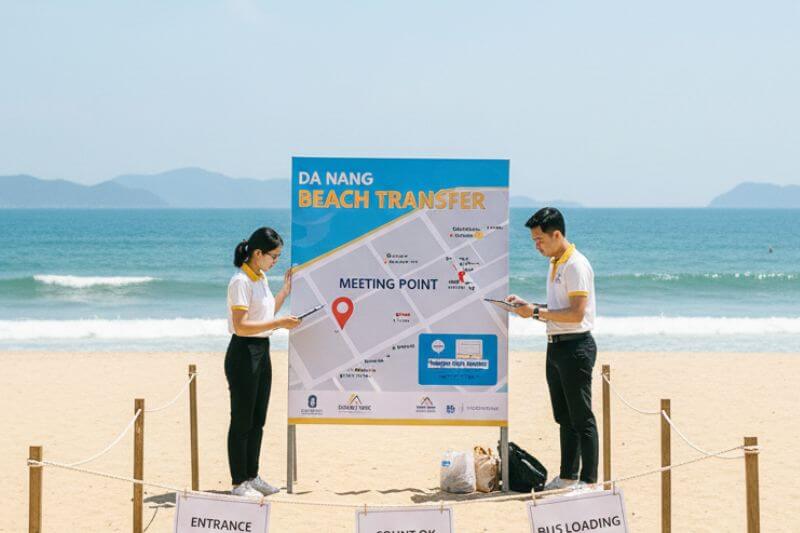
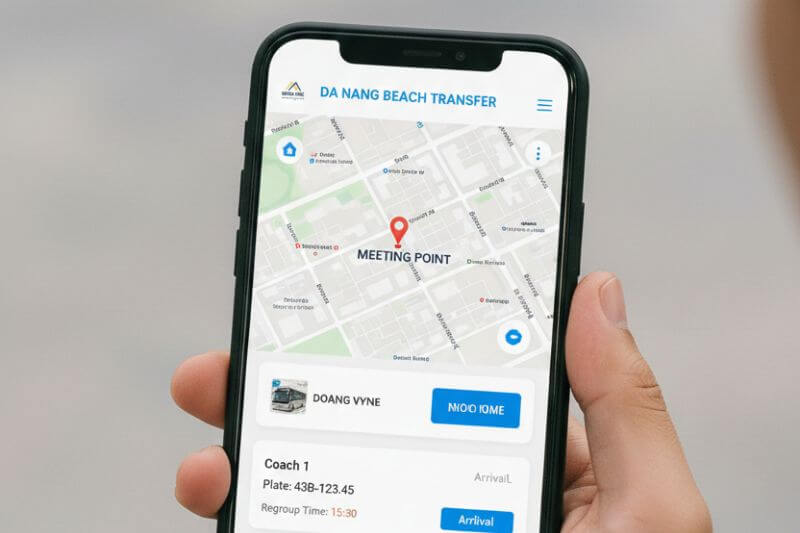
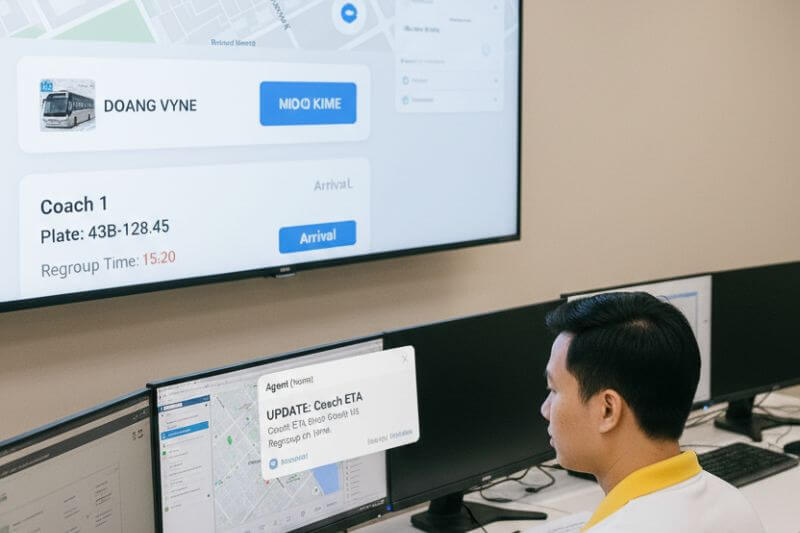
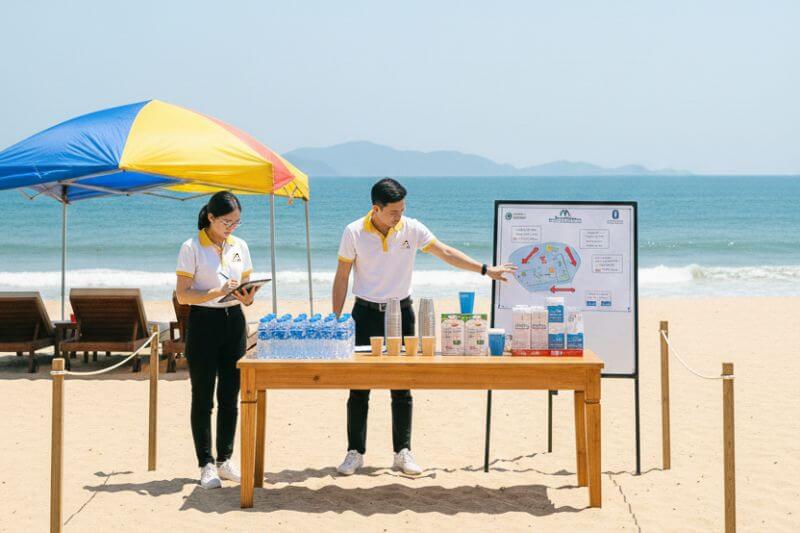
Category: vietnam-dmc-operations-and-planning Keyword: Da Nang group logistics playbook Audience: Incentive planners and travel agents operating leisure groups (20-50 pax) Current year: 2026 Reading time: 28-34 min Da Nang beaches can look interchangeable on a map. Operationally, they are not. When you are moving 20-50 guests with coaches, managing safety, protecting timing, and committing to a clean “beach moment” inside a fixed agenda, the beach choice becomes a logistics decision - not a scenic preference. This Da Nang group logistics playbook is written for travel professionals who need predictable execution: when to use My Khe vs Non Nuoc, how to build reliable beach-to-Hoi An flows, what time buffers to publish, and which vendor checks prevent last-minute improvisation. If you also run multi-hotel series or mixed pick-up points, pair this with our hotel access and coach logistics playbook. Sources for distance/scale and seasonality references include Vietnam Airlines travel guide and trade-facing destination summaries: Vietnam Airlines Da Nang guide; VietnamPlus (Telegraph citation on My Khe and Non Nuoc); and operational summaries from regional travel operations publishers (see sources at end). All beach days remain subject to on-the-ground verification for parking, ward requirements, and resort minimums. For 20-50 pax leisure groups, the beach segment is rarely the hard part conceptually. The operational risk is hidden in five variables that directly affect your schedule and your reputation: 1) Access and coach handling: Can your coach stop safely, unload, and reposition without guest confusion or driver improvisation? 2) Regroup control: Public beaches create “guest drift.” Without a single meeting point and regroup cadence, you lose time and headcount confidence. 3) Facilities: Toilets, shade, water, and a rain pivot are not optional for incentive and multi-generation leisure groups. 4) Safety governance: Lifeguard zones, flag systems, and clear boundaries reduce incidents and insurance exposure. 5) Timing windows: Sea conditions and weather risk are seasonal. Your safest selling window is typically February to May (calmer seas and drier conditions), while November to March is more relevant for surf conditions around Non Nuoc/My An and requires clearer swim controls. Commercially, the simplest positioning is also the most operationally honest: My Khe fits groups that prioritize on-time schedules, easier access, and more vendor support. It is typically the lower-risk recommendation for agents selling 20-50 pax leisure groups with a fixed daily rhythm. Non Nuoc fits groups where the client wants a quieter, premium-feel beach segment and accepts that you will protect timing with buffers, tighter staging, and fewer moving parts. If your client is comparing “beaches,” give them decision language that ties directly to execution. You can paste the following into proposals: My Khe (city-close, infrastructure-led): “We recommend My Khe because it is close to the city center and has multiple access points, making coach transfers and regrouping more reliable for a 20-50 pax schedule. It also integrates well with beachside hotel facilities for shade, restrooms, and light F&B.” Non Nuoc (scenic-and-secluded, premium-led): “We recommend Non Nuoc for a quieter and more exclusive beach block with a strong photo backdrop near the Marble Mountains area. To protect timing, we build in additional transfer and staging buffers and keep the program simple and controlled.” For clients worried about operational uncertainty in Vietnam, link your approach to published controls. This article aligns with our broader routing standards in the traffic and protocol risks playbook. Use this decision checklist when you are selecting the beach block for a leisure group or incentive segment. It is written to be shared internally with your ops team or forwarded to a corporate buyer who wants logic, not marketing. Distance and time certainty: My Khe is typically positioned ~3 km from Da Nang city center. Non Nuoc is typically positioned ~8-10 km from center. Publish expected drive time and add buffers. Entry points and regroup control: Prefer beaches where you can fix one meeting point (hotel frontage, a clearly named access lane, or a resort-managed entry). Parking and coach handling: Confirm if the coach can wait nearby or must reposition. Non Nuoc often relies on parking/handling near the Marble Mountains vicinity, which may add a short walk component. Crowd profile: My Khe can be busier; your control is zoning and time selection. Non Nuoc is quieter but has fewer “ready” facilities unless you integrate a resort. Facility reliability: If your group needs guaranteed toilets, shade, power, or a rain pivot, route through a resort partner rather than depending on public infrastructure. Safety governance: Prioritize lifeguard-supervised zones where possible and publish swim boundaries and briefing points. My Khe planning notes (ops-relevant): My Khe’s operational advantage is scale and proximity. With an approximate 10 km stretch and city-close access, it is easier to absorb minor timing variance without losing the whole schedule. Multiple entry points and a developed beachside hotel ecosystem support controlled F&B service, restroom access, and power needs when you anchor the program through a partner venue. For incentive planners, it also supports early-morning or sunrise blocks where the group can move, brief, and disperse without extended transfers. Non Nuoc planning notes (ops-relevant): Non Nuoc’s advantage is quieter positioning and a strong “premium calm” feel, often paired with the Marble Mountains area. Operationally, treat Non Nuoc as a controlled, simple program: fewer suppliers, fewer timing promises, and tighter regroup discipline. Allow extra time for transfer and staging; if your unload point is not directly on the sand, publish the short walk and assign a fixed signage point for headcounts. Distance and access references are aligned with published destination descriptions: My Khe is commonly positioned close to the center (approx. 3 km), while Non Nuoc is positioned further southeast (approx. 8-10 km) near the Marble Mountains area. Always reconfirm exact access lane, coach stop rules, and any ward-level requirements closer to operation. These templates are designed for fast quoting and clean operations. Each includes a time-protection logic that you can keep in your client-facing itinerary or internal run sheet. Best for: tight schedules, mixed-age groups, series departures, clients who want high reliability. Flow: Hotel pickup (single meeting point) - 10 minute transfer (typical) - beach briefing + light group games - refreshments/water station - photo moment at fixed backdrop - return transfer. Time-protection notes (publish): set one regroup point; headcount at arrival + 30 minutes + 10 minutes before departure; keep program in one defined zone. Ops note: If you need guaranteed shade/restrooms, anchor the block with a beachside hotel partner rather than relying on public facilities. Best for: premium leisure groups, VIP sub-groups, clients who value a quieter setting and controlled pacing. Flow: Hotel pickup - Marble Mountains visit (2-3 hours) - short transfer - Non Nuoc beach downtime + controlled photo stop - optional mocktail at a nearby resort terrace - return. Time-protection notes (publish): add 15-20 minutes buffer for Non Nuoc staging; pre-assign a fixed “exit time” from Marble Mountains to protect the beach block and return schedule. Ops note: plan for a short walk component if the unload/parking point is separated from the sand. Use a signage point and a fixed “late guest” rule. Best for: clients who want a single-day “coast + heritage” progression without adding hotel nights. Flow: AM beach block (My Khe or Non Nuoc) - lunch reset - depart to Hoi An - afternoon/evening Old Town walking + dinner - return to Da Nang (or overnight in Hoi An). Time-protection notes (publish): plan ~30 km and ~45 minutes by coach for Da Nang to Hoi An in normal conditions and add a 30-60 minute buffer for peak congestion, multi-pickups, or late afternoon departures. Ops note: set a cut-off departure time from the beach. If missed, route to a shorter Hoi An block (or move dinner earlier) to avoid compressing the evening program. If you want to standardize these templates across multiple departures and hotels, add the same coach handling rules you already use in your Vietnam operations standards. Our baseline approach is outlined in the hotel access and coach logistics playbook. For 20-50 pax, the most successful beach blocks are low-complexity, high-control, and quick to reset. Below are options that keep staffing and supplier dependency lean while still giving the client a clear “program moment.” Sunrise or morning walk with a fixed loop: reduces heat risk and crowd density, and allows clear headcounts at start/end. Sand games with a controlled footprint: relay, volleyball-style rotations, or team photo challenge - keep it inside one zone and avoid spreading across the beach. Snack-and-hydration stop with a set service window: a defined 20-30 minute service time prevents drift and protects the departure time. Partner-branded photo checkpoint: one flag/banner + one photographer position + a timed rotation creates a premium output without heavy production. Water sports guidance (optional add-on, do not over-promise): Water activities can be offered, but only when supplier capacity, safety controls, and weather cutoffs are verified. Avoid implying full-group simultaneous participation unless you have confirmed equipment count and time slots. For incentive programs, we commonly frame water sports as “opt-in rotations” with a controlled briefing, waiver process, and a hard stop time. Branded flags/signage: improves regroup speed and reduces guest confusion in public spaces. Portable PA (or small speaker): supports safety briefings and regroup calls; use only when permitted and appropriate. Shaded rest zone: umbrellas/tents coordinated through a resort partner reduce heat issues and improve guest comfort. Water stations: bottled water distribution at arrival + 30-minute mark reduces medical issues and improves satisfaction. In the consideration stage, you often lose deals because a client wants a “simple beach day” but the planning loop becomes slow: too many clarifications, unclear inclusions, and no operational notes. Our approach is to structure the request so a beach program quote can be produced in 12-60 minutes with fewer back-and-forth cycles. If you use the Dong DMC Agent App, request your Da Nang beach block with these inputs (copy/paste into your RFQ): Date window: 2-3 acceptable operating dates (and your “must run” date if fixed). Group profile: pax range (e.g., 24-28 or 45-50), age mix, mobility notes, VIP count if any. Hotel area and pick-up pattern: single hotel vs multiple hotels; earliest departure time; luggage or no luggage. Beach preference: Plan A My Khe and Plan B Non Nuoc (recommended), or one fixed choice if client has decided. Hoi An connection: same-day add-on or separate day; desired dinner time in Hoi An if applicable. F&B requirements: water only vs refreshments vs set menu, plus any dietary constraints. To prevent document chaos on the day, we recommend these deliverables as standard for group beach segments: Digital vouchers (one link per departure) and push updates for meeting point pins, coach plate numbers, and regroup times. This reduces “where do we meet?” questions and protects the agent’s brand perception. For partners evaluating us as a Vietnam operator, our operational promise is summarized here: why partners choose Dong DMC. This section is written as operational guidance you can paste into your internal run sheet or share with a corporate buyer who wants to understand how you control execution risk. Standard routing logic: Most coastal access uses the coastal road corridors connected via major city bridges and the Vo Nguyen Giap corridor for My Khe access. For Non Nuoc, routing commonly continues further southeast toward the Truong Sa corridor. Your driver briefing should be written as a route plus a “no improvisation” turnaround rule. Step 1 - Pre-departure: confirm meeting point pin (not only hotel name), load time, and a late-guest policy (e.g., depart at T+10 minutes). Step 2 - Transfer: publish typical drive time and a buffer. For Non Nuoc, plan an additional 15-20 minutes for staging and potential access/parking variability. Step 3 - Drop-off and regroup: define one primary regroup location and one secondary (“if separated, meet at Point A”). Start headcount immediately at arrival. Step 4 - Program control: keep all activities in one footprint. Avoid splitting the group across long stretches of public beach. Step 5 - Departure control: announce departure at T-20, regroup at T-10, headcount at T-5. Depart on time. The beach always tries to steal time - your run sheet must not. Step 6 - Next segment: if moving to Hoi An, apply the published transfer time (~45 minutes) plus traffic buffer (30-60 minutes), especially for late afternoon departures. Drop-off and regroup SOP - My Khe: Choose a direct entry point (often via a hotel frontage or a clearly identified access lane). Set a single meeting point sign and use it for every headcount. This prevents guests from assuming “anywhere is fine” and then reappearing late. Drop-off and regroup SOP - Non Nuoc: Plan unload + short walk scenarios. Assign a staff member at the unload point and one at the beach entry signage point. If you have a combined Marble Mountains segment, treat the transition as a high-risk handover: water distribution, headcount, and a clear departure time must happen before leaving the site. Coach handling (20-50 pax): 40-50 seat coaches are operationally suitable on the coastal road corridors. The key is not road width - it is driver clarity. Confirm: (1) coach waiting location, (2) restroom stop plan for driver and guests if needed, (3) turnaround point and “no illegal stop” instruction, and (4) who communicates with the driver (one channel only). For professional group operations, the beach is often the backdrop and the resort partner is the control center. If your client expects comfort, time certainty, and clean restrooms, anchor your beach block with a beachside hotel/resort partner - especially at My Khe where integration is typically easier. Minimum spend / minimum pax for F&B: confirm the commercial rule (minimum spend, set menu thresholds, beverage packages). For incentive-style service, planners often estimate F&B in the USD 20-30 net per pax range for light packages, but this varies by venue and season - verify before proposal sign-off. Overtime charges: confirm venue time blocks and overtime pricing before you publish a “sunset” promise. Power access: confirm whether you can use venue power for PA, lighting, or charging. Do not assume public beach power availability. Restrooms and changing facilities: confirm what is available to your group and whether access is included or charged. Waste management and cleanup: clarify responsibilities - it protects your brand and avoids on-the-day friction. Technical needs without overbuild: For 20-50 pax, “good enough” often wins: portable sound for briefings, battery lights if you are near dusk, and a shaded rest area. Only require full venue power and staging if your program depends on it (e.g., awards, speeches, fixed AV content). Planning beats improvisation. Beach risk management is not complicated, but it must be explicit. Your client does not need a long safety lecture - they need clear boundaries, cutoffs, and a visible control chain. Best operating window for general beach blocks: typically February to May (calmer seas and drier conditions). Higher weather risk window: typically September to December with increased rain and rougher sea conditions. Protect programs with indoor pivots. Surf season sensitivity: typically November to March (more relevant around Non Nuoc/My An). Treat swimming as controlled/limited unless conditions are confirmed safe. 1) Briefing point: one fixed briefing at arrival: boundaries, regroup time, and what to do if separated. 2) Swim boundaries: define permitted zone and “no-go” zone. Use a buddy system for anyone entering water. 3) Lifeguard zones: where lifeguard services and flag systems are present (commonly reported at major city beaches), stay within supervised zones and respect flags. 4) Alcohol timing: no water activities after alcohol service. Publish this rule; it protects everyone. 5) Emergency chain: one on-site lead, one escalation contact, nearest medical facility routing pre-briefed. Water activity controls: If adding parasailing, jet ski, or similar, treat them as separately governed: supplier capacity confirmation, guest waivers, insurance confirmation, weather cutoffs, and a controlled rotation schedule. Avoid promising “everyone will do it” unless you can schedule it without breaking your departure time. Public beach vs resort-managed event: Public beaches often allow casual group presence, but organized setups (sound amplification, branded structures, event-style staging) may trigger local ward or venue requirements. For Non Nuoc, confirm any ward-level expectations associated with organized activity, especially if you are close to the Hoa Hai ward area. Plan Rain-1: move to a beachside hotel covered terrace for a controlled refreshment block + photo checkpoint + short walk on the promenade when safe. Plan Rain-2: replace the beach block with a cultural/indoor segment (e.g., Marble Mountains earlier in the day, or a museum-style visit) and maintain timing. Plan Sea-1 (rough water): keep the beach as a photo and briefing moment only. No swimming. Reallocate time to F&B or a controlled team activity indoors. Plan Crowd-1 (My Khe congestion): route to a quieter adjacent option such as My An, with a revised facilities plan (confirm restrooms, shade, and supplier access). If you operate multiple cities in one itinerary, keep contingency principles consistent across the country. Our Vietnam-wide operational approach is documented in the traffic and protocol risks resource. Two common buyer fears in Vietnam operations are simple: “Where is my group?” and “Which version of the schedule is correct?” The cure is operational visibility and a single source of truth. Real-time tracking: When coach location and ETA updates are visible, agents avoid constant calling and can proactively message clients. This reduces reputational risk when traffic varies and gives your corporate contact confidence that the plan is managed. Digital run sheets and vouchers: One link per departure, containing meeting point pin, timings, inclusions, and emergency numbers, prevents document fragmentation. If a timing changes, you update once - not across multiple PDFs and chat threads. These angles help you sell the program while keeping it execution-safe. They are written to be proposal-ready. Client benefit: maximize guest time on-site, minimize transfer time and uncertainty. Why it is operationally strong: shorter transfers reduce the chance that traffic variance breaks the day; more facility options improve comfort control. Best fit: mixed-age leisure groups, incentive groups with a tight agenda, and groups requiring predictable restroom/shade access. Client benefit: a quieter beach block paired with a cultural anchor, delivering a premium feel without complex production. Why it is operationally strong: two controlled locations with a short transfer between them; you can manage pacing with clear cutoffs. Best fit: premium leisure groups, VIP micro-groups within a larger series, and clients who value calm pacing over maximum activity density. If you want proof formats that clients accept (without revealing supplier lists), use anonymized execution references from our partner success stories library. If your client is a corporate buyer or incentive committee, define success metrics in advance. This turns “beach time” into a managed deliverable. On-time pickup rate: % departures leaving within the published window. Transfer time variance: planned vs actual (use it to improve future buffers). Headcount accuracy: arrival and departure headcount matched, with documented exceptions. Incident log: record even “none” to demonstrate control and compliance. Supplier performance notes: punctuality, service quality, and responsiveness - used for future risk reduction. Budget justification is easier when you link cost to risk reduction: Why My Khe can reduce hidden costs: shorter transfers, easier facility access, fewer paid contingencies. Why Non Nuoc can earn premium perception: quieter atmosphere and a strong combined narrative with Marble Mountains, when you protect timing with buffers and controlled staging. A single beach recommendation forces the client into a binary yes/no decision. Two options convert the conversation into a controlled choice and protect your operations plan. Plan A - My Khe (schedule-protected): city-close beach block with venue integration options for facilities and F&B. Best for reliability. Plan B - Non Nuoc (premium calm): quieter beach block with added transfer and staging buffer, optionally paired with Marble Mountains. Best for premium perception. How to price it cleanly: keep inclusions consistent and label upgrades as (1) additional transfer time and staffing, (2) resort integration, or (3) premium F&B package. This keeps client approvals fast. With the Dong DMC Agent App, partners typically request both options in one RFQ and receive a structured quote quickly, with buffers and contingency notes included. Weather and sea check: confirm forecast and define swim policy (allowed/limited/none). Meeting point and map pin: one primary meeting point, one backup point. Coach plan: coach plate number(s), driver contact, waiting/turnaround rules, restroom plan. Facilities plan: restrooms, shade, water distribution, cleanup responsibilities. Supplier reconfirmation: F&B timing, inclusions, minimums, overtime rules. Safety readiness: first-aid access, nearest clinic routing, emergency contact chain. Signage up: meeting point sign visible from unload direction. Headcount cadence set: arrival, mid-block, pre-departure. Water station ready: distribution plan and replenishment timing. Briefing script ready: boundaries, regroup time, safety rules, late policy. Coach reposition confirmed: driver knows where to wait and when to return. Incident log: record issues or “none.” Lost-and-found: confirm with coach and venue. Supplier performance note: punctuality, quality, responsiveness. Data capture: actual transfer times for future buffer accuracy. If your client needs speed and reliability: pick My Khe. Publish short transfer times and standardize one meeting point. Anchor facilities through a beachside partner if comfort is required. If your client needs quiet, scenic, and premium positioning: pick Non Nuoc. Add 15-20 minutes buffer for staging and keep the program controlled (fewer vendors, one footprint, clear cutoffs). If you must add Hoi An on the same day: choose the beach that best protects the departure time. Publish a cut-off departure time from the beach and commit to it. Plan ~45 minutes transfer plus a 30-60 minute buffer depending on the time of day and pickup complexity. “We recommend My Khe for this group because it is city-close (reducing transfer risk), has multiple access points for clean coach handling, and integrates well with beachside venues for restrooms, shade, and light refreshments. This choice protects the schedule while still delivering a clear beach experience within the day’s agenda.” “We recommend Non Nuoc for a quieter, premium-feel beach block near the Marble Mountains area. To protect timing and guest comfort, we include additional staging buffer (15-20 minutes), a fixed meeting point and signage plan, and a controlled program footprint. This reduces the risk of delays and improves group control in a public environment.” “For the beach-to-Hoi An move, we plan approximately 45 minutes by coach plus a traffic buffer. To keep the evening program on time, we will publish a fixed departure time from the beach and operate a clear regroup and headcount sequence.” Sustainability note for proposals: If your client requires sustainability language, reference our operational policy and supplier standards here: sustainable operations policy. Q: Which beach is easiest for a 20-50 pax group using coaches? My Khe is typically the easiest operational choice because it is positioned close to the city center (commonly referenced at ~3 km), has multiple entry points, and offers more venue integration options for restrooms, shade, and light F&B. This reduces transfer and facility risk for group schedules. Q: How much buffer should we add for Non Nuoc transfers and for a beach-to-Hoi An move? For Non Nuoc, publish an additional 15-20 minutes buffer for transfer variability and staging (unload, short walk if needed, regroup). For Da Nang to Hoi An, plan ~30 km and ~45 minutes by coach in normal conditions, then add a 30-60 minute buffer for peak periods, multi-pickups, or late afternoon moves. Q: Can we include water sports for groups? Yes, as an optional add-on - but do not assume full-group scalability. Confirm supplier capacity (equipment count and time slots), insurance/waivers, safety briefing process, and weather cutoffs. Operationally, treat water sports as controlled rotations with a hard stop time to protect departures. Q: Do we need permits for beach activities? Casual group presence on public beaches is typically flexible, but organized setups (amplified sound, branded structures, event-style staging) and resort-hosted beach events may require venue approval and sometimes local ward coordination. Confirm requirements based on your exact access point, vendor plan, and production level. Q: What is the safest selling season for a Da Nang beach block? For general beach programming, February to May is commonly the safest window (calmer seas and drier conditions). September to December typically carries higher rain/rough-sea risk, so publish a clear indoor pivot plan. November to March can be more surf-oriented and requires stricter swimming controls. This playbook uses publicly available destination references for beach scale, approximate distances, and seasonality indicators. For professional group operations, the following items must still be re-verified per departure date: coach stop rules and parking reality, ward or venue permissions for organized setups, and venue minimum spends/overtime rules. Primary references: VietnamPlus (Telegraph reference on My Khe and Non Nuoc recognition): https://en.vietnamplus.vn/my-khe-non-nuoc-beaches-among-worlds-50-best-telegraph-post296849.vnp Operational summaries used for distance/access/seasonality orientation: https://junglebosstours.com/explorer/tourism-blog/da-nang-beach-tour and https://lilystravelagency.com/location-of-non-nuoc-beach-in-da-nang-and-some-notes-before-going/ Send us your date window, group size (20-50 pax), hotel area, and whether you prefer My Khe (schedule-protected) or Non Nuoc (premium calm). We will return a two-option routing advisory with buffers, meeting point logic, and a rain/sea contingency plan you can paste into your proposal. Fast quotations (12-60 minutes). Brand-protected operations. Zero missed arrivals culture. If you want to validate our delivery model before sending a client: why partners choose Dong DMC and the Dong DMC Agent App overview.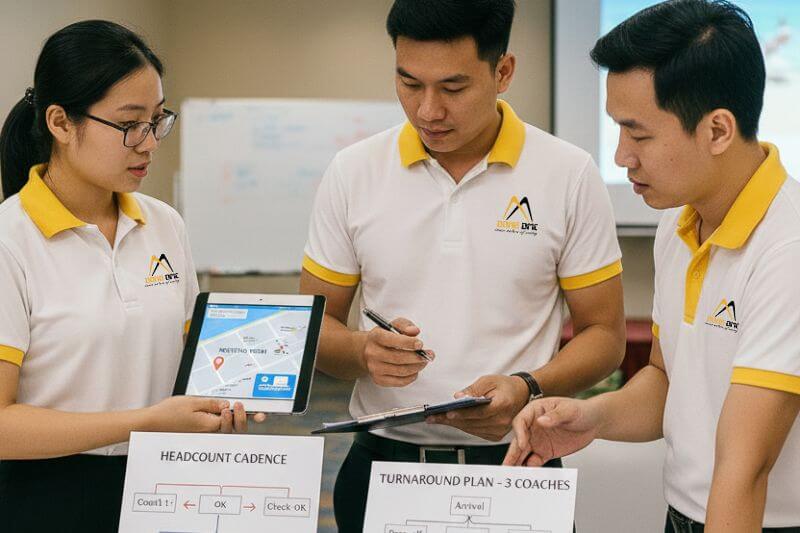
Planning Takeaways
1) Planner context: when “beach time” becomes an operations problem
The 5 operational variables that decide whether a beach block runs on time
Proposal-ready positioning lines (copy/paste)
2) Practical planning guidance: My Khe vs Non Nuoc and reliable beach-to-Hoi An flows
2.1 My Khe vs Non Nuoc: choosing the right beach for 20-50 pax
Decision criteria checklist (20-50 pax)
2.2 Ready-to-rebrand half-day program templates (agent-friendly, 20-50 pax)
Template A: My Khe “easy ops” (3.0-3.5 hours)
Template B: Non Nuoc “premium calm” (4.0-5.0 hours)
Template C: Beach + Hoi An connection (full afternoon into evening)
2.3 Activity ideas that match group size and operational reality
Low-complexity beach moments (recommended for 20-50 pax)
Simple production that improves control (without heavy staging)
2.4 Fast quoting and itinerary assembly using a DMC Agent App (speed + fewer errors)
RFQ inputs that unlock a fast quote (12-60 minutes)
3) Operational excellence and risk management: how to run Da Nang beach days cleanly
3.1 Ground logistics flow (step-by-step, ops-ready)
Step-by-step operating flow (hotel to beach to next segment)
3.2 Vendor and venue integration: power, F&B, and facilities
What to confirm early (to avoid budget surprises)
3.3 Weather, safety, and liability controls (publishable policies)
Seasonal risk map (Da Nang beaches)
Safety SOP (simple, client-readable)
3.4 Permissions, compliance, and contingency planning
Contingency plan menu (choose one before you sell the beach block)
3.5 Keeping agents calm: tracking and document control (what you can promise to clients)
4) Partner success angles: how to position the beach choice to corporate and incentive buyers
4.1 Case-style angles you can pitch (without overpromising)
Angle 1: “City-close beach experience” (My Khe)
Angle 2: “Scenic prestige + culture combo” (Non Nuoc + Marble Mountains)
4.2 What to measure: KPIs that demonstrate operational excellence
KPIs to include in your internal report (and selectively share with clients)
4.3 The “two-option quoting” framework that helps agents win faster
Two-option framework (proposal-ready)
5) Tools and checklists (copy/paste) for vietnam-dmc-operations-and-planning
5.1 Beach program operations checklist (copy/paste)
Pre-trip confirmations (72-24 hours before)
On-day checklist (before guests arrive)
Post-event checklist (same day)
5.2 Quick decision matrix (no table): when to pick what
5.3 Messaging templates for client approval (copy/paste)
Template: “Why this beach” (My Khe)
Template: “Why this beach” (Non Nuoc)
Template: “Beach to Hoi An timing note”
Frequently Asked Questions (2026)
Source references and what to re-verify before booking
Request Routing Advisory (Da Nang Beach + Hoi An)