 ID
ID IT
IT DE
DE ZH
ZH ES
ES FR
FR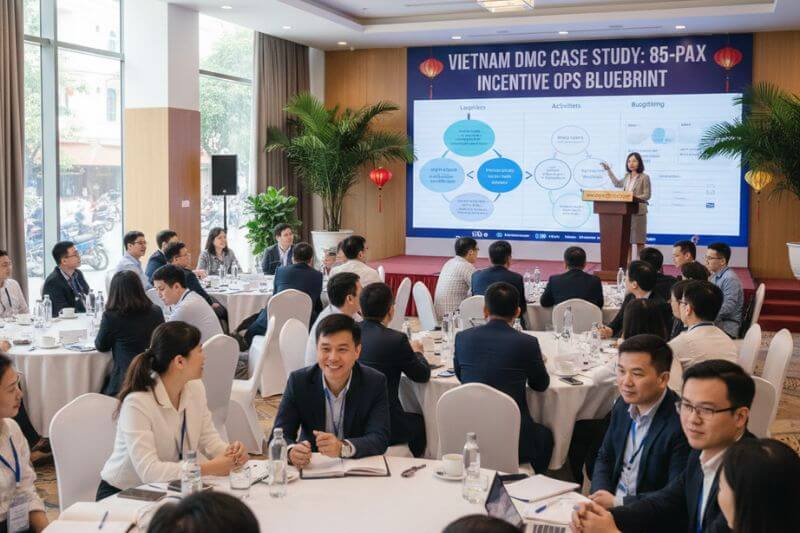
Vietnam DMC Case Study: 85-Pax Incentive Ops Blueprint
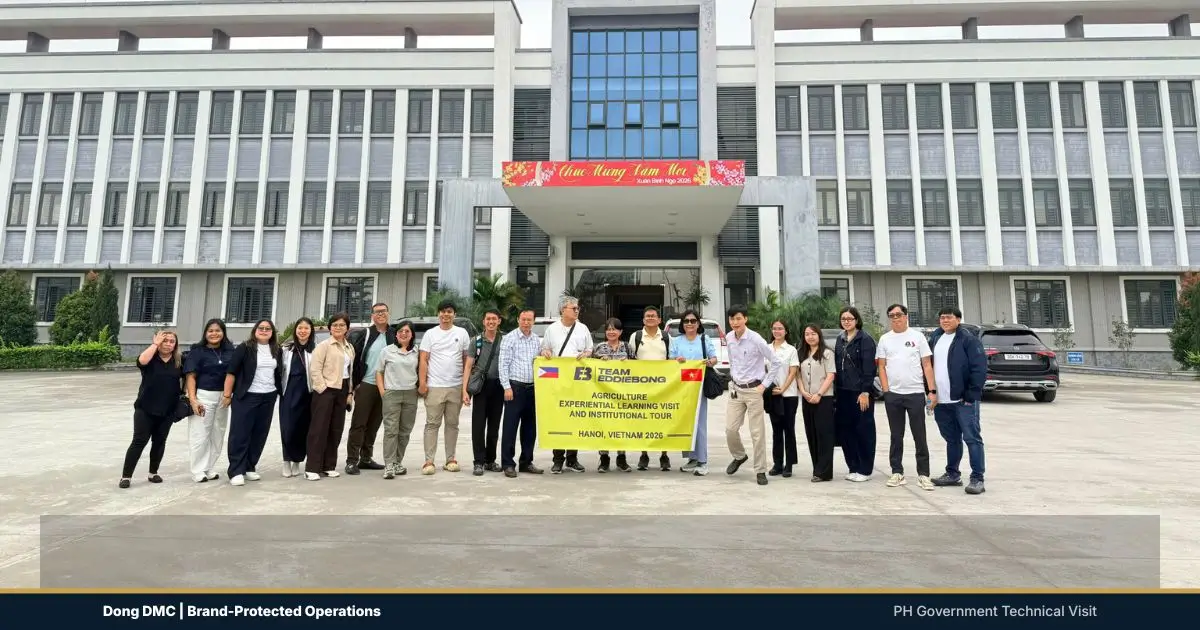
If you are comparing Vietnam against Phuket or Bali for a mid-sized reward trip, the real decision is not “is the destination attractive?” It is: can the program be executed with VIP handling, strict brand control, and a gala dinner that runs on-time - without you needing to micromanage suppliers on-site. This Philippines incentive group Vietnam case study breaks down a 4D3N Hanoi - Ha Long program executed for 85 pax. It is written as a proposal-ready reference you can forward to stakeholders: capacities, timing buffers, production specs, brand protection methods, and what to validate before contracting. If you need routing and buffer logic for Hanoi groups, align this case with our operational playbook: Hanoi DMC guide and Vietnam coach and transport planning. Philippines incentive demand pattern (what to expect in proposals): For Manila-based agencies and corporate reward programs, the most common “premium but manageable” incentive band is 70-100 pax, frequently traveling in Q4 (Oct-Dec) tied to fiscal year-end recognition. For decision-stage planning, the operational reality is lead times of 12-18 months when you want: private charter components, branded production, and high-control scheduling. Vietnam’s competitive position for incentives (client-facing logic): Against Thailand and Indonesia, Vietnam often wins on value for money on net F&B and gala production (commonly 15-30% lower on comparable specs), while still delivering a signature “one-program” asset: a UNESCO-listed Ha Long routing that supports private cruise formats and resort-based gala configurations. The key is not the asset itself - it is whether the asset can be delivered with predictable timing and controlled branding. What this specific case proves (decision-stage proof points): An 85-pax Philippines corporate incentive was executed across Hanoi arrivals, a private luxury cruise format in Ha Long Bay, a resort stay, and a beachfront gala dinner. The program was delivered under full white-label conditions (partner branding on signage, uniforms, and gifts; no Dong DMC exposure). For incentive planners, this reduces the need for constant supplier supervision and compresses on-site oversight time by an estimated 30-50% because workflows are centralized and pre-approved. What to validate before you contract: confirm the seasonal window (Oct-Apr preferred), cruise/pier capacity for your exact vessel (comfortably up to ~100 pax for similar luxury charters), and Q4 rate pressure (ask for updated 2026 decks and holds). If your client is considering a late-year departure, ask for two budget options: Q4 peak vs shoulder season, so your approvals do not stall on price movements. If you want additional execution references you can cite in a pitch, use our full library of partner success stories for client-proofed delivery patterns. Below is the structure used in the 85-pax case. You can copy it into a client deck as a “proven flow” and then swap hotels, meal venues, and activity intensity based on corporate profile. Day 1 - Hanoi arrival + VIP handling + welcome moment Operational purpose: control the first impression, stabilize the group, and confirm comms channels. Typical inclusions: VIP arrival handling at Noi Bai, pre-arranged meet points, partner-branded welcome signage, and gift handover that doubles as a brand statement. For incentive clients, this is where you place the “You are valued” message without needing a full event setup. Client-specific insertion points: leadership greeting at hotel lobby, branded lanyards/badges if required, and a short welcome briefing with next-day timing (helps reduce late departures on Day 2). Day 2 - Hanoi to Ha Long transfer + private cruise + gala dinner (production night) Operational purpose: concentrate “signature experiences” into one controlled day while protecting dinner timing. This is the highest-risk day due to road traffic, pier loading, and production setup windows. Client-specific insertion points: awards ceremony, leadership speech using LED backdrop, branded video roll, and curated entertainment segments (cultural show + DJ) built into a timed run sheet. Day 3 - Resort leisure + optional controlled add-ons Operational purpose: recovery and satisfaction. This day reduces incident likelihood (fatigue, late-night carryover) and gives space for optional CSR, spa blocks, or small-group experiences without destabilizing the main schedule. Client-specific insertion points: hosted lunch, department photo sessions, optional team challenges on-site (if weather safe), or executive breakouts. Day 4 - Departure with staged check-out and airport control Operational purpose: protect the final impression and avoid missed flights. This requires staged luggage calls, rooming reconciliation, and flight-based load plans (not “one bus fits all”). Base assumptions (Hanoi to Ha Long): ~180 km, typically 3-4 hours drive depending on traffic and convoy discipline. Safety margin (recommended for incentive programs): add 45-120 minutes of buffer depending on your client’s tolerance for risk and the day’s production commitments. In this case category (private cruise + gala), we recommend a 2-hour safety margin to protect a fixed dinner call time and reduce vendor overtime exposure. Hanoi peak windows to plan around: 07:00-09:00 and 16:00-19:00. If you cannot avoid them, add at least 60 minutes and enforce an earlier guest call time. Pier loading flow: plan 60 minutes for group loading/distribution, especially when pier operations allow only 2 coaches at a time in the loading zone. For VIP sedans, confirm parking capacity (this case reference is ~20 cars) to avoid unplanned drop-off conflicts. Fog risk note (Ha Long): build a 1-hour buffer in cruise timing and keep a prepared on-land alternative flow (lunch + meeting space + photo moment) if cruise departure is temporarily held. Private cruise charter (what to confirm in writing): Beachfront resort gala (what to lock early): For incentive planners and leisure group agents, speed is a commercial advantage only if operations stay controlled. Dong DMC’s workflow combines fast quotation and real-time operational visibility so you can sell with confidence and reduce document chaos. How to get a quote in 12-60 minutes (reduce back-and-forth): send dates (or two options), pax count, departure city, hotel tier, rooming style, and gala requirements (beach vs indoor, AV spec, branding level). When these inputs arrive in one message, the turnaround is faster and the quote is more stable. Agent App use cases (non-technical, planning value): If you want to preview the tooling before you propose it to your client, see: Dong DMC Agent App. Group size: 85 pax (operationally treated as the 80-100 pax band for staffing, transport, and production). Transfers: 4-5 coaches (45 pax each) recommended for 85 pax depending on luggage volume and VIP segmentation. This creates capacity headroom and protects comfort - it also reduces “late bag” delays because luggage loads faster when coaches are not fully compressed. Pier constraints: group loading zone supports 2 coaches simultaneously (confirm with your pier and vessel), with VIP sedan parking referenced at ~20 cars (site-dependent). Plan your staging order, not just your departure time. Gala production (hard specs used in this case band): Brand protection is a deliverable, not a promise. In this Philippines incentive group Vietnam case study, the execution standard was: the end client sees the agency/corporate brand only - not Dong DMC and not supplier logos. What “zero DMC visibility” means in practice: Production timeline you can apply to 70-100 pax incentives: If you need to explain “why we can guarantee this,” you can reference our partner positioning here: why partners choose Dong DMC. Recommended operational season for Ha Long incentives: Oct-Apr typically provides the most stable conditions for cruise routing and outdoor galas. Higher-risk season: May-Sep (monsoon pattern and higher rain probability). For incentive groups, the issue is not discomfort - it is schedule disruption (cruise holds, outdoor dinner changes, and production risks from wind/rain). Backup options to pre-cost and pre-approve: Permits: Ha Long cruise permits typically require processing around 3 days prior via relevant authorities (reconfirm the latest process at time of booking, as requirements can change). For planners, the key is document completeness and accurate passenger data submission to prevent last-minute holds. Entry note (Philippines passports): Philippines travelers have commonly been eligible for 30-day visa-free entry to Vietnam, but planners should reconfirm this for the travel date and passport rules before ticketing and rooming finalization. Insurance split (proposal wording): the partner typically holds group travel insurance; Dong DMC can provide public liability coverage (e.g., USD 5M, venue-specific - confirm per program), and marine insurance must be verified for the cruise charter. On-ground governance: for this group size, we recommend a dedicated ops lead, a 24/7 escalation tree, and a clear comms plan (app + WhatsApp/SMS backup). This reduces “many voices” confusion and keeps decisions fast when timing changes occur. For group movement and loading constraints across hotels and venues, reference: Vietnam coach and transport planning. This case is useful in proposals because it shows outcomes your client cares about (exclusivity, control, and brand accuracy) without requiring the client to manage multiple suppliers directly. Where the planner shines (and the DMC stays invisible): White-label deliverables you can request (proposal-ready): Client-justification angles you can reuse verbatim: Post-trip success metrics (useful for corporate debriefs): If your goal is a same-day budget that is stable enough to present, send the below in one message. This is designed for a 12-60 minute quotation workflow. Use these modules directly in proposals. They are written to be brand-neutral so you can reformat under your agency template. Module A - VIP arrival (Hanoi) Module B - Hanoi to Ha Long transfer (buffer-protected) Module C - Private cruise (charter format) Module D - Beachfront gala dinner (brand-protected) Module E - Leisure day (resort governance) Module F - Departure (staged check-out) For 70-100 pax groups, document control is a risk control tool. Use a single folder structure and keep “final” versions visible to all stakeholders. Digital vouchers + push notifications (simple operating rule): schedule messages for “what guests need to do next” (call times, meeting points, dress code) and get one approval owner on the client side. This prevents mixed instructions and protects punctuality. Margin protection comes from knowing your cost drivers early and pricing your contingency transparently. For teams that need to reference sustainability compliance in corporate procurement, see: sustainable operations policy. Q: Can you guarantee no supplier or DMC logos on-site? Yes, when it is scoped and contracted as white-label delivery. Operationally this means: partner-branded signage/uniforms, supplier logo suppression clauses for guest-facing zones, and an on-site enforcement checklist. Photo/video outputs also follow an approval workflow so your client-facing content stays brand-safe. Q: What is the minimum pax for a private Ha Long cruise? Private charter formats commonly start from ~50 pax, but it is vessel-dependent. For planning, assume comfortable charter capacity up to ~100 pax for luxury formats similar to this case, then confirm the exact license and safety limits for your chosen vessel. Q: How much time should we buffer for Hanoi to Ha Long on a gala day? Base drive time is typically 3-4 hours for ~180 km. For incentive programs with fixed dinner timing, add 45-120 minutes minimum, and consider a 2-hour safety margin when the day includes pier loading and production. Add at least 60 minutes if moving during Hanoi peak windows (07:00-09:00, 16:00-19:00). Q: What is the weather-safe plan for a beachfront gala? Pre-cost and pre-approve an indoor or tent fallback (often around ~200 sqm for 85 pax seated with show space; frequently +15% cost depending on venue). Keep a revised run-of-show ready that moves awards/speeches indoors while protecting dinner timing. Q: What permits and lead times apply for Ha Long cruises? Cruise permits are typically processed around 3 days prior (reconfirm at time of booking). The risk control is having complete passenger details submitted on time, with a locked guest list and change log to avoid last-minute documentation issues. Q: Can we track the group in real time and reduce paperwork? Yes. The Agent App supports real-time tracking, digital vouchers, push notifications for timing changes, and centralized access to run sheets, permits, menus, and floorplans. This reduces “document chaos” and shortens decision loops during operations. If you are quoting an 80-100 pax Vietnam incentive (or adapting this flow for 20-50 pax leisure groups), request our rebrand-ready 4D3N deck plus a provisional run sheet. We can also price two date options (Q4 peak vs shoulder season) to protect your approval timeline. Fast quotations (12-60 minutes). Brand-protected operations. Zero missed arrivals. 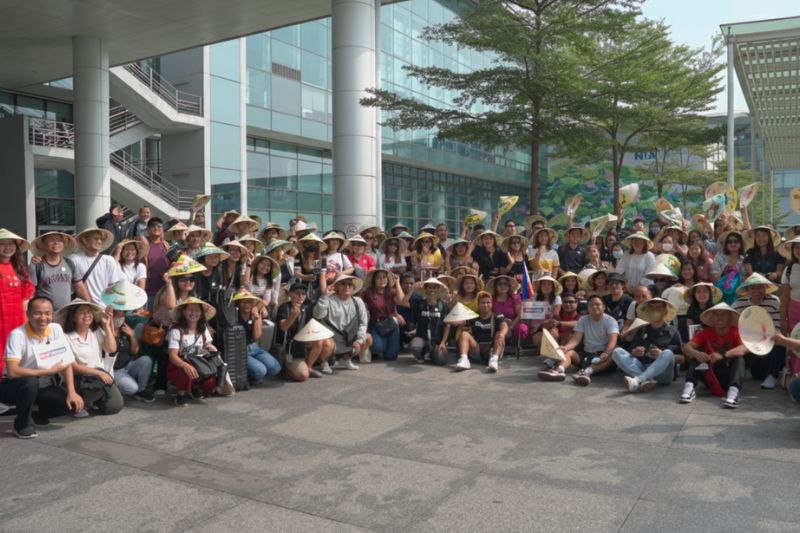
Planning Takeaways
1) Planner context: why this Philippines incentive group Vietnam case study matters
2) Practical planning guidance you can rebrand
Program blueprint (4D3N) you can rebrand

Routing and time budgeting that protects the experience
Venue selection notes (what to ask, what to lock)
Tech and tooling for speed and control (agent-ready)
3) Operational excellence and risk management (how this 85-pax program was controlled)
Operational specs planners can copy into a proposal
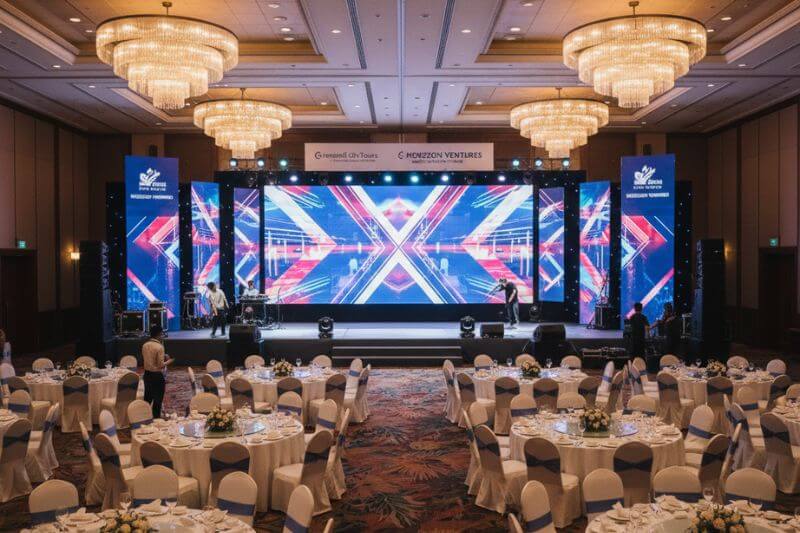
White-label brand protection checklist (zero DMC visibility)
Weather, seasonality, and backup planning (what to pre-cost)
Compliance, permits, insurance, and duty of care
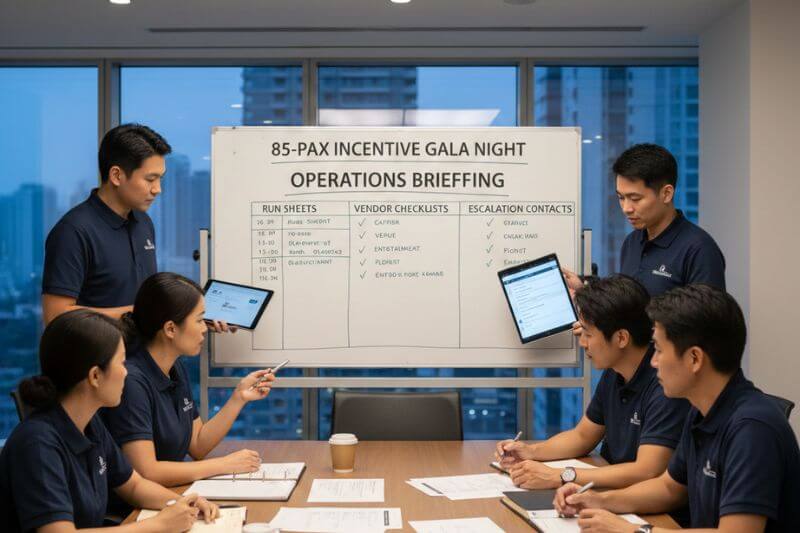
4) How the planner looks good: client-facing wins from this case
5) Decision-stage toolkit (templates and inputs to speed approvals)
Fast-quote input pack (to avoid slow back-and-forth)
Rebrand-ready itinerary blocks (copy/paste modules)
Meet-and-greet with dedicated staffing by flight, controlled meet point, fast-track support where applicable, partner-branded welcome signage, and optional gift handover. Coach staging and luggage flow managed under a single run sheet.
Convoy-based coach movement with timed rest stop and contingency buffer. Recommended plan: 3-4 hours drive time plus 45-120 minutes safety margin depending on pier slot and gala call time. Peak traffic buffers added around 07:00-09:00 and 16:00-19:00.
Exclusive vessel charter with group-only access. Pier loading is sequenced (2 coaches at a time) with a 60-minute embarkation buffer. Marine insurance documentation verified in advance. Fog-delay buffer included in timing plan.
Private area with controlled access, partner branding across key touchpoints (welcome wall, stage backdrop, table accents), AV and lighting sized for 85 pax, and power redundancy. Run-of-show built with award segments, speeches, and entertainment cues. Weather backup pre-costed and pre-approved.
Flexible leisure schedule with optional controlled activities. On-site support remains available to protect timing, dining reservations, and guest support without over-managing the client’s free time.
Staggered check-out, luggage staging with labeling, and flight-based transfers. Final service reconciliation completed before airport departure to reduce end-of-trip disputes.Document control and digital ops checklist (reduce chaos)
Budget guardrails to protect your margin
Frequently Asked Questions
See How We Executed This