 ID
ID IT
IT DE
DE ZH
ZH ES
ES FR
FR
HCMC Conference Venues Guide for MICE Planners (2026)
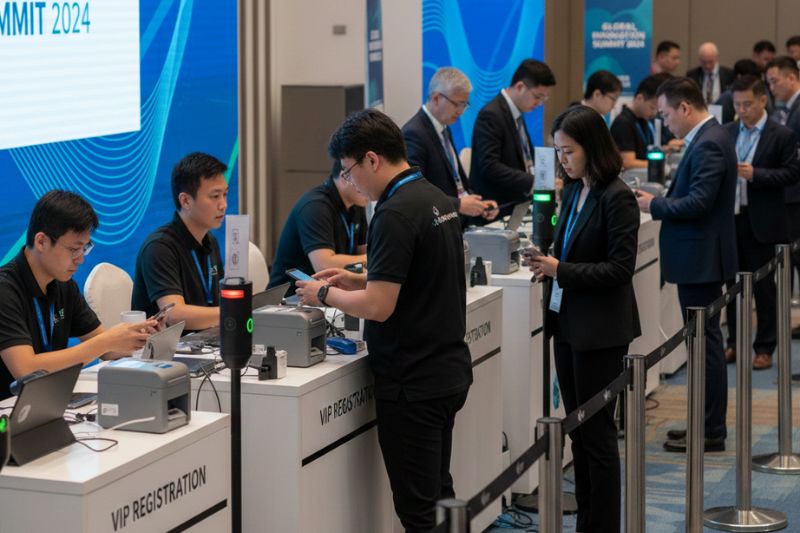
Category: mice-and-corporate-travel-solutions Keyword focus: Ho Chi Minh City conference venues Updated: 2026 Reading time: 40-50 min Selecting Ho Chi Minh City conference venues is rarely a “which room looks best” decision. For MICE planners and event agencies, it is an execution decision: can the venue support your capacity, staging and AV spec, registration throughput, and transport routing with predictable timing, controlled budgets, and zero last-minute technical rework. Ho Chi Minh City’s large-format choices fall into three operational categories: standalone convention centers (SECC) for scale and trucking, dedicated city-center venues (GEM Center) for showpiece production with tighter logistics, and 5-star hotel ballrooms for “stay-and-meet” efficiency. This guide is written so you can forward sections directly to a corporate client or copy into a proposal with confidence: it focuses on real capacities, technical due diligence, coach routing exposure, and the technology stack that gives you real-time control during show days. If you need a transport-first view of feasibility (coach loops, drop-off discipline, contingency buffers), align this guide with our operations reference: traffic and protocol risks playbook and hotel access and coach logistics playbook. For consideration-stage sourcing in 2026, Ho Chi Minh City conference venues can be framed as a triangle of trade-offs. This is useful when a client asks “which venue should we use?” and you need to answer with execution logic, not preference. Category A - Standalone convention centers (SECC, District 7): optimized for large exhibitions and high-footfall programs where trucking, floor loading, and wide circulation matter more than walkable nightlife. SECC phase 1 includes a 9,000 sqm column-free hall (Hall A), a 500-seat conference hall, smaller meeting rooms, and large parking capacity (reported as approximately 500 cars and 1,300 motorbikes). Hall A floor loading is stated at 5,000 kg/sqm, supporting heavy exhibits and vehicle displays. Sources: SECC/partner descriptions and venue listings. Category B - Dedicated city-center venues (GEM Center, District 1 edge of District 3): optimized for high-spec gala dinners, product launches, awards nights, and large corporate plenaries where production value and central location are priorities. Verified directory data indicates 10 meeting rooms, total event/exhibit space around 10,000 sqm, and a largest-room capacity up to 1,800 pax. City-center convenience comes with tighter coach parking and more routing discipline. Category C - 5-star hotel ballrooms (District 1/5/7 clusters): optimized for “stay-and-meet” programs. Hotels compress risk by reducing transfers (rooms, meeting space, F&B under one SLA). As a benchmark: Hotel Equatorial Ho Chi Minh City lists ballroom capacity up to 1,000 pax and an integrated 8 m x 4 m LED wall. This category is often the most predictable for 300-900 pax conferences with multiple breakouts if the hotel has enough meeting rooms and back-of-house capacity. Decision drivers professional planners should standardize early (use these as your discovery questions and in proposal assumptions): 1) Plenary size and setup - “1,000 pax theatre” is not the same as “1,000 pax banquet.” Capacities can change materially depending on stage depth, camera platforms, translation booths, and aisle width requirements. 2) Breakout grid - number of parallel sessions, seat count per room, and turnover time. Your rooming grid influences whether a hotel is viable or whether a dedicated venue is required. 3) Expo footprint - sqm of exhibit space, booth count (3x3 m typical), aisle widths, sponsor zones, registration footprint, and storage. SECC Hall A is frequently used for trade shows; sources reference up to 465 standard booths (approximately 9 sqm each) as a planning benchmark. 4) Production complexity - LED scope, rigging loads, power tie-ins, audio coverage, streaming/hybrid requirements, and rehearsal windows. 5) Routing exposure - District 7 (SECC) is coach-friendly with wider roads and parking; District 1/3 (GEM and many hotels) is central but constrained, requiring staggered drops and stronger marshaling. Lead-time reality for holds and technical commitment: for large congresses and regional corporate conferences, 6-18 months is a common planning range depending on season and venue demand. The risk is not “no venue available” as much as “only suboptimal access windows remain” (no build days, limited foyer, no reliable loading schedule). A technical site inspection becomes non-negotiable once you have LED/rigging requirements, exhibitions, or multi-room breakouts. Use this section as proposal text: it frames why a venue is recommended and what assumptions must be confirmed to protect the schedule and budget. If your event is a trade show / expo + conference (typical 1,500-3,000+ pax total footfall, with exhibitor build-in): SECC-first. SECC Hall A is stated as 9,000 sqm column-free with 5,000 kg/sqm floor load, and utilities distributed via pits every 6 m (electrical, data, sanitary) referenced in venue descriptions. This supports a professional expo layout, truck access, and heavy exhibits. Plan to bring in external production for plenary build inside the hall unless you use the separate 500-seat conference room for plenary and keep Hall A as exhibition-only. If your event is a high-spec gala / product launch / awards night (often 800-1,800 pax with strong stage/LED demands): GEM Center-first. Verified information indicates a largest-room capacity up to 1,800 pax and total space around 10,000 sqm with 10 meeting rooms. The operational requirement is early technical rider alignment: ceiling height, rigging grid, loading timetable, and vendor policy must be confirmed early to avoid show redesign. If your event is a stay-and-meet conference (300-1,000 pax, high agenda density, minimal tolerance for transport delays): 5-star hotel ballrooms-first. Hotels usually offer the cleanest accountability model (one contract for rooms + meeting + F&B). Use Hotel Equatorial as a benchmark: up to 1,000 pax ballroom and integrated 8 m x 4 m LED wall. This category reduces the risk of late arrivals to sessions because transfers are minimized. Hard limits to confirm in contracting (do not skip): these are the items that most often cause budget change orders or schedule risk. Capacities by setup (fire-regulated) - theatre, banquet, classroom, cabaret; include stage footprint assumptions in writing. Ceiling heights and obstructions - especially for camera platforms, IMAG screens, truss, and scenic builds. Rigging - grid availability, load per point, and rigging approval process. If the venue requires certified riggers, document the cost and process. Power - total kVA available, 3-phase availability, tie-in locations, and whether venue electricians are mandatory. Connectivity - dedicated internet options (bandwidth, symmetrical vs asymmetrical), number of concurrent devices supported, VLAN needs for registration/production. Loading - dock dimensions, truck height limits, elevator size, access hours, and overnight work rules. Overtime rules - venue overtime, union/certified labor requirements (where applicable), security overtime, and noise curfews. The most common failure in early proposals is quoting “capacity” without reserving footprint for operational needs: registration, sponsor activations, speaker ready room, translation booths, camera risers, and backstage circulation. Use these planning notes as “working assumptions” and then validate via CAD and site inspection. Plenary sizing assumptions (proposal-safe): SECC Hall A: with 9,000 sqm column-free, the hall can support very large plenary builds when zoned (stage + backstage + audience + control + aisles). Exact seat counts depend on your layout; treat any “4,000-5,000 theatre” statement as a concept only until your production designer provides a scaled seating plan and egress compliance is confirmed by the venue. SECC conference hall: stated 500-seat theatre style, suitable for mid-sized plenary, keynotes, or multi-track rotation sessions. GEM Center: largest-room capacity stated up to 1,800 pax. Confirm banquet vs theatre capacity separately and document stage depth and aisle requirements. Hotel ballrooms: using Equatorial benchmark up to 1,000 pax. In practice, if you require a deep stage, multiple screens, and wide aisles (VIP security or filming), your effective capacity can reduce. Build this into expectations early. Breakout strategy examples (operationally realistic): SECC model A (conference-led): plenary in the 500-seat conference hall; breakouts in the smaller meeting rooms; Hall A used for expo, sponsor showcases, and catering zones. This limits external build costs and simplifies sound control. SECC model B (hall build): plenary and breakouts built as temporary “session pods” inside Hall A. This is viable for large congress formats and exhibitions, but demands strong wayfinding, acoustic planning, and more production labor. GEM/hotel model: plenary in main hall/ballroom; 3-8 breakouts in adjacent meeting rooms; use foyer for registration, sponsor tables, and coffee breaks. Confirm if foyers can handle queueing without blocking fire exits. Registration and foyer flow (throughput planning): Counter design: define check-in as either self-service kiosks + staffed exception desks, or fully staffed. For professional programs, we recommend designing for peak arrival waves (first 60-90 minutes of day one) and adding a contingency lane for VIPs, speakers, and press. Badge printing: plan badge print stations with redundancy (spare printer, spare laptop, offline print list). Place printers so queue lanes do not cut across sponsor zones or emergency egress routes. Separation: define access zones (expo only vs conference access) early, especially at SECC where trade show footfall and conference delegates may differ. These sample architectures are built around predictable transfer windows, rehearsal time, and controlled supplier handoffs. You can forward them to clients as “why the schedule is designed this way.” Architecture 1: 3-day corporate conference (800-1,200 pax) - hotel or GEM as core venue Day 1 (Arrivals + Welcome): airport meet-and-greet with flight tracking; hotel check-in; evening welcome reception on property. Keep transfers light on Day 1 to absorb flight delays. Day 2 (Plenary + Breakouts): schedule conference start after the heaviest morning traffic window. Add a 30-45 minute pre-plenary buffer before doors close for VIP seating and show cueing. If you are using GEM, lock loading and rehearsal access the day before. Day 3 (Half-day + Departures): final session ends with a controlled departure wave; for airport transfers, run multiple smaller waves rather than one mass movement. Build routing buffers that reflect HCMC congestion risk. Architecture 2: Conference + expo (1,500-3,000 pax) - SECC as day-time hub Day 0/D-1 build: exhibitors and production load into SECC using scheduled delivery windows. Because SECC is designed for fairs, it supports structured build-in, but you still need a timed trucking plan to avoid congestion at the dock. Show days: Hall A zoned into expo + plenary theatre build + sponsor activation. Use the 500-seat conference hall for controlled sessions or VIP keynotes if the main plenary inside Hall A is high-cost. Evening event: consider a gala at a hotel ballroom or GEM Center to separate expo logistics from evening guest experience. This split typically requires additional transport planning and may need extra security screening and credential control. Architecture 3: Incentive with a “conference spine” (300-600 pax) - hotel as base, one signature night at GEM Meetings: keep meetings inside the hotel to eliminate daily coach movements and reduce punctuality risk. Signature night: one evening at GEM Center for awards/gala with higher production value. Plan staggered departures and assigned boarding groups to reduce street congestion at pick-up. Cost control: use the hotel’s built-in AV for general sessions and deploy premium production only for the signature night. The most common fears we hear from agencies and corporate planners are operationally measurable: not knowing attendee status in real-time, schedule changes not reaching everyone, and budget overruns discovered too late. The solution is a defined event-tech stack paired with a command-center operating model. Core capabilities to specify (and what they produce): Pre-registration sync: imports registration data, ticket types, session selections, dietary requirements, and VIP tags. Output: clean master list and segmentation for staffing and catering counts. On-site badge printing: supports on-demand printing and reprints. Output: reduced queue time and lower pre-print risk when lists change. QR/RFID check-in: scans at venue entry and optionally per session. Output: live attendance dashboard by time and by room. Session attendance tracking: counts per breakout. Output: evidence-based room control (open partitions, re-route to overflow) and post-event reporting. Schedule broadcasting: app push + SMS fallback + digital signage integration. Output: fewer “missed changes” when room swaps or timing changes occur. Live budget tracking: tracks PO commitments vs actuals and flags variances. Output: early warning before budget overruns become irreversible. Supplier confirmation automation: structured confirmations for AV, transport, catering, security, staffing with timestamps. Output: reduced miscommunication and clearer accountability. Command-center operating model (the control layer): One master run sheet (single source of truth) - minute-by-minute cues, transport waves, doors open/close, speaker call times, catering drops, and contingency triggers. One communications architecture - defined WhatsApp groups or radio channels by function (transport, venue ops, production, VIP, registration) and an escalation rule that prevents “everyone messages everyone.” One issue log - each issue has owner, timestamp, priority, resolution target, and closure note for post-event learning. If your client requires proof of operational systems, you can reference our partner-facing stack overview: Dong DMC Agent App and why agencies use us for execution certainty: why partners choose Dong DMC. This section is written to be inserted into client proposals as “operational methodology.” It explains what can go wrong in Ho Chi Minh City conference venues and what controls prevent disruption. Transfer planning rules (proposal-ready): Rush windows to plan around: typically 07:30-09:00 and 16:30-19:00. When mass transfers are unavoidable, add additional buffer and implement wave boarding by delegate group. Pre-plenary buffer: schedule a minimum 30-45 minutes buffer before key plenary start times for registration variance, VIP seating, and late arrivals. District crossings: District 1/3 to District 7 is a core routing exposure. For peak movements, we typically model longer buffers than “map time” and design wave-based departures rather than a single convoy that increases late risk. Coach strategy by venue type: SECC (District 7): leverage on-site parking and wider access roads for coach holding and structured drop-off loops. Use marshals to control bay assignment and keep emergency access clear. SECC is designed for fairs and trucking; schedule build-in/out deliveries during off-peak traffic windows to reduce city congestion impact. GEM Center (city-center): assume limited on-site coach parking. Plan staggered drop/pick waves, pre-arranged holding areas, and dedicated marshals per loading bay. Document a strict “no waiting on curb” policy for drivers to avoid last-minute disruptions. Hotel ballrooms: porte-cochère is often the bottleneck. Separate VIP lane and delegate lane where possible, and coordinate with hotel security/concierge. For large builds, align loading dock time blocks with hotel operations because service elevators are shared. Airport operations (how we reduce arrival risk): Flight tracking + delayed-arrival protocols: define rules for when a delayed flight triggers a private transfer vs wait-and-batch. Maintain a live status board: “landed,” “cleared,” “met,” “on coach,” “hotel checked-in.” Meet-and-greet control: counters or staff positions by terminal exit, with partner-branded signage and multilingual support. The operational goal is simple: no unaccounted arrivals. SECC production reality (plan as an exhibition shell): SECC Hall A is a large, column-free exhibition hall (9,000 sqm) with stated floor loading of 5,000 kg/sqm and utility pits every 6 m. Operationally, this means you can build almost any conference/expo footprint, but you must plan full external production for plenary-grade experiences (sound, lighting, LED, staging, truss, scenic). The venue can support the infrastructure, but the “show” is typically delivered by your production partner. Controls to prevent technical surprises at SECC: Scaled zoning plan: seat blocks, aisles, stage, backstage, control, camera, translation, and egress routes. Power map: where power is sourced, how it is distributed, and what redundancy exists for critical systems (registration, show control, streaming). Noise/acoustic plan: if expo and plenary run simultaneously, define acoustic separations and scheduling to prevent stage bleed into exhibitor conversations. GEM Center technical due diligence checklist (request before you finalize concept): CAD floor plans: including ceiling heights and obstructions. Rigging grid and loads: point loads, approval process, and whether certified riggers are required. Loading: dock rules, time blocks, truck height limits, freight elevator dimensions, and overnight access policies. Vendor policy: whether you can bring your chosen production company or must use preferred suppliers for certain scopes. Internet: dedicated lines for registration systems and hybrid streaming, plus test schedule. A “Wi-Fi included” line in a listing is not the same as production-grade connectivity. Hotel ballroom technical constraints (what to specify to avoid rework): Built-in LED can reduce complexity: Equatorial’s integrated 8 m x 4 m LED wall is an example of how hotels can reduce production scope for standard plenaries. Confirm pixel pitch, input formats, and content testing time. Rigging limitations: hotels often have tighter rigging rules and lower permissible loads. Document this early if you require heavy scenic, flying LED, or complex truss builds. Overtime charges: ballroom venues can be cost-effective until rehearsal and teardown push beyond contracted hours. Lock a realistic access plan and include overtime in budget scenarios. Permitting is rarely a “nice to have” for large-format events. It directly affects show design (pyro, special effects), build method (electrical sign-off), and routing (curbside usage for coaches). Your proposal should explicitly state that final feasibility depends on approvals. Approvals that commonly impact the critical path: Fire safety sign-offs: egress routes, occupancy limits by setup, and any temporary walls or drape tunnels in halls. Electrical installation approvals: especially at SECC with large booth builds and heavy production distribution. Special effects: pyrotechnics, haze/fog, CO2 jets, confetti cannons can require venue approval and safety controls. Outdoor sound and external activations: if using SECC outdoor areas (sources note sizable outdoor exhibition space), define noise limits, weather contingency, and crowd control perimeter. Curbside and road usage: coach staging near city-center venues can require coordination to prevent last-minute restrictions. Crowd management and security (client-facing clarity): Badge zones: separate expo access, plenary access, VIP access. Access control: scanning rules at entry points to create accurate attendance reporting and reduce unauthorized access. Emergency response roles: define who leads (venue security vs organizer vs DMC), where the medical point is, and how escalation is communicated. Monsoon operational impacts (typically May-Nov): heavy rainfall affects curbside boarding, increases transfer times, and raises slip risk at venue entrances. For outdoor components at SECC, design a covered boarding plan and an indoor backup option. Operationally, “Plan B” should be a pre-contracted space or a pre-approved flip plan, not an idea. Technical redundancy (minimum standard for high-stakes corporate programs): Audio: spare handheld mics and lav packs, spare batteries, spare DI boxes. Playback: dual playback laptops with mirrored content, tested switching method. LED: spare modules or rapid replacement plan with vendor. Internet: dedicated line for streaming, plus secondary path where possible; schedule a bandwidth test during setup, not during doors-open. Change-control process (prevents chaos): Decision log: changes are logged with approver, reason, and downstream impact (F&B, AV cues, signage, transport). Broadcast protocol: schedule changes go out through the event app push, SMS fallback for critical updates, and on-site digital signage, with a time-stamped confirmation. Budget risk controls (prevents “we discovered overruns at the end”): PO lock dates: define when non-critical POs freeze (decor, print, optional activations) so late scope creep is controlled. Variance alerts: live budget dashboard with threshold-based alerts (for example, a 5% variance trigger) so the client sees reality before it becomes unmanageable. Verified specification highlights (from cited venue sources): Hall A: 9,000 sqm column-free exhibition hall; floor loading stated at 5,000 kg/sqm. This supports heavy exhibits, large scenic, and vehicle displays. Booth planning reference: up to 465 standard booths (approximately 9 sqm each) stated in venue descriptions. Conference and meeting spaces (phase 1): a 500-seat conference hall; smaller meeting rooms including a 100-seat room and 3 x 20-seat rooms listed in phase descriptions. Utilities: utility pits every 6 m providing electrical power, data and sanitary facilities referenced in descriptions. Parking: reported around 500 cars and 1,300 motorbikes (note: parking numbers can vary by source and phase; reconfirm in contracting). Operational implications you can quote to clients: Best for: large exhibitions, congresses, dealer conventions, and conferences with large sponsor showcases. Key constraint: production is typically “build your own show” inside a hall. This increases flexibility but also increases technical planning requirements and build days. Routing: coach operations are usually cleaner than city-center venues due to wider access and parking, but you still must model traffic exposure between District 1 hotels and District 7. SECC technical document pack to request before signing: 1) Hall technical sheet: ceiling heights, roof loading/rigging policy, hanging point map (if available), and floor finishing/protection rules. 2) Power and internet: total available capacity, tie-in process, mandatory electricians, and dedicated internet options for event operations. 3) Loading plan: dock access, work hours, security requirements, and build-in/out timetables. 4) Safety and approvals: fire safety requirements for temporary builds, aisle widths, and any restrictions for fabric structures or enclosed booths. Verified data points: directory data indicates 10 meeting rooms, total space around 10,000 sqm, and a largest-room capacity up to 1,800 pax. These are useful for initial feasibility, but detailed execution requires the venue’s latest technical rider and drawings. What to confirm to lock your production scope: Ceiling height and rigging grid: confirm heights, point locations, and load limits to avoid last-minute scenic/LED reductions. Sound limits and curfew: confirm permissible SPL and end time if you plan live band/DJ. Loading timetable: city-center routing may restrict truck movements at certain hours. Loading time is part of your risk register. Internet: confirm dedicated bandwidth for hybrid/streaming, plus testing windows. Vendor policy: confirm whether external AV is allowed and which scopes require in-house execution. Recommended planning cadence for GEM (to reduce change orders): T-6 to T-4 months: lock space and receive full technical rider; draft stage/LED and seating plan; confirm preliminary loading schedule. T-3 to T-2 months: submit rigging and electrical plans for approval; lock internet and streaming requirements; confirm rehearsal windows. T-1 month: final supplier confirmations; finalize transport waves and curbside plan; issue staff RACI and escalation. On-site: full tech rehearsal with show caller; connectivity test; backup plan confirmed with venue duty manager. Benchmark reference (Hotel Equatorial Ho Chi Minh City): up to 1,000 pax ballroom capacity and an integrated 8 m x 4 m HD LED wall are publicly listed. Use this as a benchmark when discussing what “5-star ballroom capable” means in HCMC, then confirm each hotel’s current technical sheet and price list. Hotel ballroom strengths (proposal language): Single accountability: rooms + meeting + catering managed under one property operation, which reduces vendor coordination risk. Schedule protection: minimal transfers means higher session punctuality and fewer missed agenda items. Standard AV availability: built-in LED/projection, microphones, and meeting infrastructure can reduce external production scope for standard corporate formats. Hotel ballroom constraints (what to manage upfront): Loading dock shared operations: event load-in competes with hotel receiving and banquets. Confirm time blocks and elevator dimensions. Rigging and ceiling limits: confirm what is allowed and whether additional insurance or certified rigging is required. Foyer capacity: hotels can bottleneck at registration and coffee breaks. Confirm whether additional adjacent spaces can be allocated. These are not destination stories. They are execution templates you can use as client-facing “how we will run it” examples with measurable outputs. Operational design: timed loading plan, rehearsals locked, show caller controlling cues, and staggered transport waves to protect start time. Control methods: QR check-in for attendance visibility; app/SMS push for timing changes; issue log managed by command center. Client reporting outputs: door count by time, no-show rate, schedule variance (planned vs actual), and variance report for production costs vs approved POs. Operational design: Hall A zoned into expo + plenary + sponsor villages; separate staff entrance for exhibitors; controlled badge zones. Throughput KPI: registration capacity measured in badges/hour; queue time targets established and resourced. Safety and compliance: fire egress validated after booth build; electrical installations managed with approvals; crowd flow and emergency routes protected. Operational design: meeting rooms and F&B under one SLA; breakouts and coffee breaks engineered to prevent foyer bottlenecks. VIP flow: separate arrival lane, pre-seating, and speaker ready room adjacency to stage. Client reporting outputs: session attendance by track, satisfaction pulse checks, and budget variance dashboard export for internal procurement. For execution reference points and measurable outcomes, see: partner success stories. Request this “data pack” from SECC, GEM Center, or any hotel ballroom before you release deposits. This is designed to prevent the most common late-stage blockers. Capacities: theatre/banquet/classroom/cabaret capacities with fire regulation basis and setup assumptions (stage depth and aisle widths). Floor plans: CAD drawings including ceiling heights, obstructions, and adjacent spaces (foyer, pre-function, back-of-house routes). Rigging: rigging grid plan, point loads, approval process, mandatory riggers, and insurance requirements. Power: total kVA, 3-phase availability, tie-in locations, and mandatory electricians. Internet: dedicated line options, bandwidth, redundancy options, and testing schedule. Loading: dock dimensions, vehicle height limits, freight elevator sizes, loading hours, and overnight policies. Commercial: overtime rates, security costs, exclusivity clauses (F&B, AV, rigging), and cancellation/force majeure terms. Delegate path: entry to registration to plenary seating, including queueing space and rain cover at curbside. VIP path: discreet drop-off, green room, stage access, and security hold points. Exhibitor path (if applicable): loading dock to booth, waste disposal route, storage areas, and build safety controls. Production path: control room position, cable runs, power tie-ins, backstage storage, and rehearsal access windows. Transport path: coach bays, turning radius, holding plan, and emergency access protection. Master run sheet structure: minute-by-minute show cues, doors open/close, transport wave times, speaker call times, catering drops, and trigger-based contingencies. Role matrix (RACI): who owns decisions (planner, venue, production, DMC) and who is consulted vs informed to avoid delays. Decision log: every change captured with approver, time, and downstream impact (AV, signage, transport, catering). Attendee communications plan: push notification templates, SMS fallback rules, and integration with on-site digital signage. Build these KPIs into your scope early so data collection is planned, not improvised: Attendance: registrations vs checked-in, peak entry times, no-show rate. Session performance: attendance by track, dwell time estimates (where supported), overflow occurrences. Sponsor value: scans/leads, booth traffic proxies, session sponsor attendance where trackable. Budget: variance report (approved POs vs actuals) and on-site change orders with approvals. Q: Which Ho Chi Minh City conference venues can realistically host a 1,500-2,000 pax plenary? For dedicated single-room plenary around this size, GEM Center is positioned for up to 1,800 pax (verify by setup). For larger plenary builds that may exceed typical hotel ballroom limits, SECC Hall A (9,000 sqm column-free) can be zoned to create large-theatre plenary seating, but it requires full external production and a scaled seating/egress plan to confirm final seat counts. Hotels can reach up to 1,000 pax in some cases (Equatorial benchmark), but the effective capacity depends on stage depth, filming platforms, and aisle requirements. Q: SECC vs GEM Center - which is better for a conference + expo? If the expo footprint and trucking matter (large booth counts, heavy exhibits, vehicle displays), SECC is structurally designed for trade fairs (9,000 sqm hall, heavy floor loading, utility distribution). If the program is conference-led with a smaller sponsor showcase and you need a central location with high production value, GEM Center can work, but confirm loading rules and the venue’s ability to separate exhibitor operations from guest flows. Q: How much transfer buffer should we build between District 1/3 and District 7? Treat this as a risk-managed routing decision, not a map estimate. For time-critical movements (plenary start, airport waves), schedule outside typical rush windows (07:30-09:00 and 16:30-19:00) where possible and add operational buffers. For mass movements, use wave-based departures rather than one convoy and include a 30-45 minute pre-plenary arrival buffer at the venue. Q: What technical documents must we request for rigging/LED/power sign-off? Request CAD floor plans with ceiling heights, a rigging grid/point load document (or written rigging policy), power capacity and tie-in locations (including 3-phase and total kVA), loading dock dimensions and access hours, and dedicated internet options with bandwidth specs. Without these, LED and truss concepts remain assumptions and will frequently trigger change orders later. Q: Can we run hybrid/streaming reliably and what bandwidth should we specify? Do not rely on “included Wi-Fi” for hybrid. Specify a dedicated line for streaming and a separate protected network for registration and show control. Confirm symmetrical bandwidth, testing windows, and on-site support during show hours. If the program is high-stakes, define a secondary connectivity path (where feasible) and schedule a live test during setup. Q: How do coach rotations work for city-center venues with limited parking (GEM and many CBD hotels)? Run staggered drop-off and pick-up waves with assigned boarding groups, a marshaled bay system, and pre-agreed holding zones. Document the curbside rules for drivers (no waiting at frontage unless instructed) and use real-time comms to release coaches only when groups are staged. This prevents curb congestion and protects start times. If you are deciding between SECC, GEM Center, and hotel ballrooms, we can return a routing advisory that your team can attach to a client proposal: venue feasibility notes, draft transfer wave plan (District 1/3 vs District 7), a preliminary risk register, and a recommended event-tech control model for real-time attendee status and budget visibility. To keep it execution-ready, include: event dates, pax, plenary setup (theatre/banquet), breakout count and sizes, expo sqm (if any), LED/rigging needs, and hotel cluster preference. Vietnam traffic and protocol risks playbook - routing buffers, peak-window planning, and escalation structure. Hotel access and coach logistics playbook - bay planning, curbside rules, VIP lanes, and rotation models. Dong DMC Agent App - partner-facing operations visibility and coordination workflows. Why partners choose Dong DMC - execution certainty, brand-protected delivery, and operational accountability. Partner success stories - formats, timelines, and proof of execution under real constraints. Send your brief and we will respond with a venue-fit recommendation, routing assumptions, and an execution framework that protects your run-of-show and your brand. No surprises, no last-minute improvisation. Fast quotations. Brand-protected operations. Zero missed arrivals. SECC: venue listings and descriptions referencing Hall A 9,000 sqm column-free, floor loading 5,000 kg/sqm, conference hall and meeting rooms, outdoor area and parking figures, and utilities distribution (including pits every 6 m). Sources include SECC venue pages and industry venue listings. GEM Center: industry directory references indicating 10 meeting rooms, largest-room capacity up to 1,800 pax, and approximately 10,000 sqm total space. Hotel ballrooms: Hotel Equatorial Ho Chi Minh City referenced for up to 1,000 pax ballroom and integrated 8 m x 4 m LED wall. Important contracting note: marketing capacities and published listings can differ from current fire-regulated capacities and venue reconfigurations. Before deposit, request the latest technical fact sheets, CAD drawings, and current capacity tables by setup from the venue, and reconfirm loading rules, overtime rates, and internet options.
Planning Takeaways
1) Planner context for Ho Chi Minh City conference venues (what each venue type optimizes for)
2) Practical planning guidance: venue selection, program architectures, and control tools
2.1 Venue selection framework by program type (what fits where)
2.2 Capacity and rooming grid planning (real-world layouts you can quote)
2.3 Sample program architectures (designed to reduce risk)
2.4 Technology stack for zero-surprise execution (real-time visibility and control)
3) Operational excellence and risk management (how to run it smoothly on the ground)
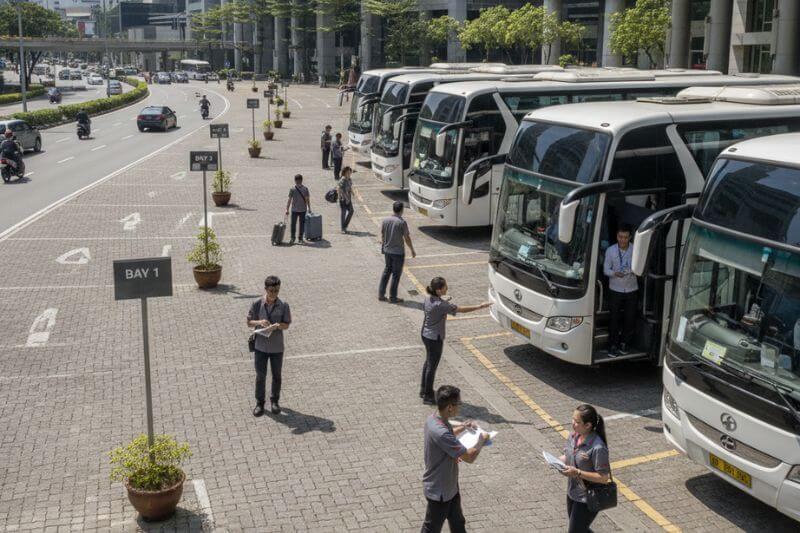
3.1 Logistics and transport: traffic-proofing venue operations
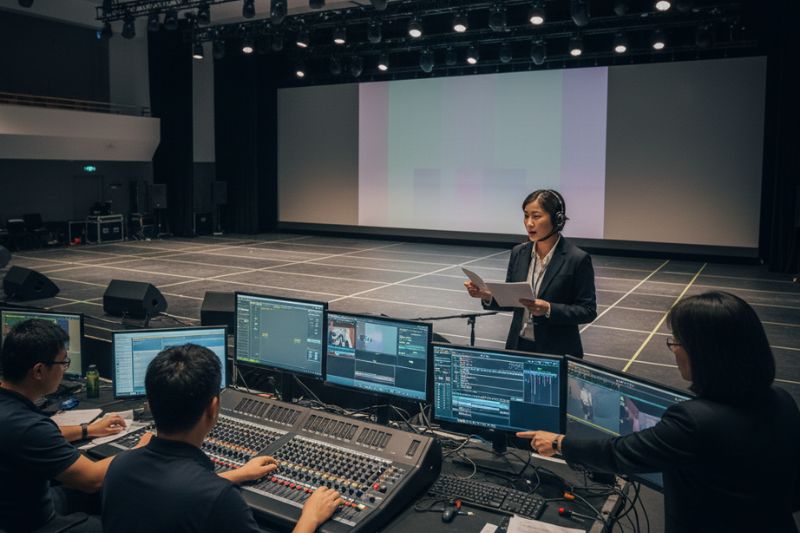
3.2 Production and technical integration (AV, staging, power, connectivity)
3.3 Permits, safety, and compliance (avoid last-minute blocks)
3.4 Contingency planning and resilience (weather, tech failure, change control)
4) Technical deep dive: SECC, GEM Center, and hotel ballrooms (what to request and how to scope)
4.1 SECC (District 7) - technical and operational specification highlights
4.2 GEM Center (District 1/3 edge) - technical due diligence for showpiece events
4.3 Hotel ballrooms - practical technical specs and contracting controls
5) Partner success templates (replicable structures with measurable outcomes)
Template A: 1,800-pax awards night at GEM Center (production-led, city-center constraints)
Template B: 3,000-pax conference + expo at SECC (scale-led, trucking and zoning)
Template C: 1,000-pax stay-and-meet at a hotel ballroom (punctuality-led, minimal transfers)
6) Tools and checklists (copy into your RFP pack)
6.1 Venue sourcing checklist (what to request before signing)
6.2 Site inspection script (walk paths that actually affect execution)
6.3 Run-of-show and communications toolkit (multi-stakeholder control)
6.4 Post-event analytics pack (fast client reporting)
Frequently Asked Questions
Request Routing Advisory (Ho Chi Minh City)
Related operational resources (for proposals and planning packs)
Get a Vietnam DMC Quote (12-60 Minutes)
Sources and validation notes (for contracting)