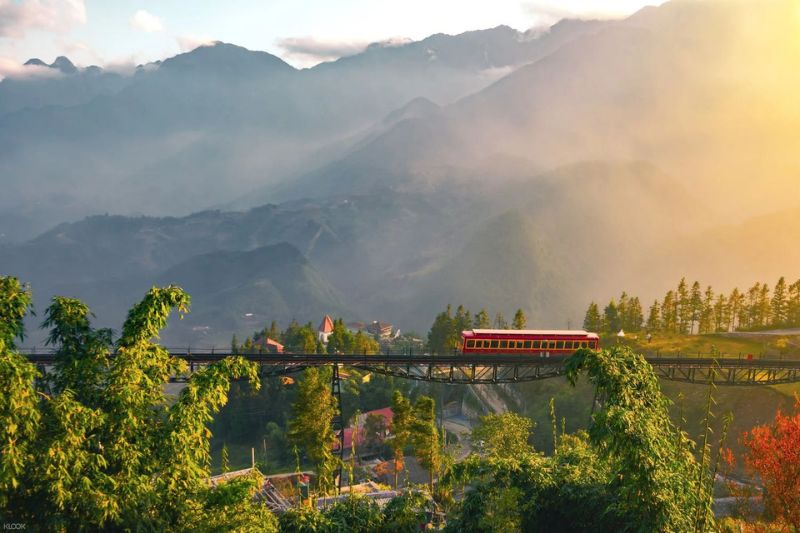
With over two decades leading inbound journeys into Vietnam, I’ve seen Sapa evolve from a remote hill station into one of Southeast Asia’s most compelling highland destinations. For travel professionals, Sapa is no longer a niche add-on — it’s a standalone experience offering cultural depth, scenic drama, and high-margin opportunities for both group and FIT markets.
In this guide, I’ll share what makes Sapa such a profitable and meaningful destination to include in your portfolio — supported by real statistics from Vietnam’s official tourism authorities, and grounded in what we've learned serving thousands of visitors through Dong DMC Vietnam.
2026 update: Condé Nast Traveller named Sapa one of the 53 most beautiful small towns on the planet in 2026 — the only Vietnamese destination on the list. For travel professionals, this recognition is accelerating enquiries from European, Australian, and North American markets. Hotel allotments at out-of-town luxury properties are tightening for the autumn peak window (September–November). For the full operational planning reference — transfer modes, accommodation zones, coach constraints, and risk scenarios — see the Sapa DMC planning guide.
Why Sapa Matters in Your Tour Portfolio
Sapa is situated in Lao Cai Province, near the Chinese border, and is renowned for its cascading rice terraces, cool climate, and ethnic minority cultures. But beyond the postcards, here’s why it deserves your attention:
- Multi-segment appeal: Great for adventure seekers, cultural travelers, wellness enthusiasts, and slow-travel retirees.
- Higher trip value: Remote logistics, mountain railways, and unique lodges allow for premium pricing.
- Sustainable storytelling: Community-based tourism in Sapa enables authentic experiences and strong value alignment for conscious travelers.
Statistic from Vietnam Tourism Authority
For professionals evaluating Sapa’s commercial potential, the data paints a promising picture. Here's a breakdown of recent tourism figures and projections for Lao Cai Province and Sapa, as compiled from the Vietnam National Administration of Tourism (VNAT) and Lao Cai’s Department of Culture, Sports, and Tourism.
1. Visitor Growth (2020–2024)
- 2020: 0.8 million visitors (COVID-19 impact)
- 2021: 1.1 million visitors (domestic recovery)
- 2022: 2.2 million visitors, including 210,000 international
- 2023: 3.1 million visitors, 380,000 international arrivals
- 2024 (projected): 3.8 million total visitors, aiming for 500,000 international
Sapa has become one of the fastest-growing destinations in Northern Vietnam, thanks to upgraded roads, train services from Hanoi, and a growing number of boutique resorts and ecolodges.
2. Market Segments
- Domestic FIT: Accounts for 55% of all traffic; driven by short-break families and digital nomads.
- Inbound group travel: Dominated by markets like France, Korea, and Australia.
- Adventure & cultural tourism: Accounts for over 70% of foreign bookings according to booking.com survey data from 2023.
3. Accommodation Supply
- Luxury & boutique hotels: Over 30 properties rated 4-star and above
- Homestays: Over 400 listings in Ta Van, Lao Chai, and Giang Ta Chai villages
- New resorts: Silk Path Grand Resort, Hotel de la Coupole MGallery — elevating the premium segment
Choosing the right accommodation zone matters as much as choosing the property. Sapa has three distinct zones suited to different markets:
- Town center (Bora Hotel, BB Hotel, Delasol, Bamboo Sapa Hotel, Pistachio Hotel, Green Forest Hotel,...) — suits Asian market incentive and leisure groups who go out independently after dinner. Direct walkable access to the night market and restaurants.
- Out-of-town resorts (Ville De Mont, Topas Ecolodge) — suits European and Western leisure travelers who prefer highland isolation, unobstructed views, and quiet atmosphere. Every movement requires dedicated transport.
- Village homestays (Lao Chai, Ta Van) — suits adventure FIT and cultural immersion programs. Authentic ethnic minority village experience. Basic facilities — guest expectations must be managed clearly.
4. Transportation Infrastructure
- Hanoi–Lao Cai Expressway: Shortens travel time to 4.5 hours by car
- Overnight train service: Multiple daily departures with sleeper cabins from Hanoi
- Proposed Lao Cai Airport: Under development, expected to boost future arrivals significantly
Getting Groups to Sapa: Transfer Mode Selection
How a group travels from Hanoi to Sapa is the first program experience — and the most commonly underplanned element. The transfer is approximately 300km via the Noi Bai–Lao Cai expressway (5–6 hours by road). Transfer mode must match the program type and client profile.
- Chartered sleeper bus — overnight movement from Hanoi, arriving Sapa early morning. The cost-effective option for incentive groups moving 30–200+ pax. Brand-controlled, group-only vehicle. Not a commercial bus service.
- Chartered day bus — morning departure from Hanoi, afternoon arrival in Sapa. Better group energy on arrival and more flexible Day 1 programming. Requires an additional Hanoi hotel night.
- Private limousine van — hotel departure from Hanoi, direct to Sapa. Standard for family luxury programs and incentive VIP components. The experience begins at the hotel door.
- Shared limousine — hotel pick-up across Hanoi on a fixed schedule. The practical option for FIT travelers. More convenient than commercial sleeper bus because no terminal travel is required.
- Overnight train — Hanoi to Lao Cai station, then 45-minute road transfer to Sapa. An experiential option for leisure travelers who value the journey itself.
Critical note for all programs: Large coaches (45-seat and above) cannot navigate Sapa town center roads. All large-vehicle transfers terminate at drop-off points on the town perimeter — final-mile hotel access requires smaller vehicles or on-foot luggage handling. This applies to every program type without exception.
Full transfer mode comparison table and accommodation zone guidance by market profile is in the Sapa DMC planning guide.
With consistent growth and diversified offerings, Sapa offers strong potential for long-stay programs, retreat products, and niche-market tours.
Suggested Itineraries & Bundling Options
Sapa is best packaged as part of a Northern Vietnam circuit. Here are a few high-performing combinations:
- Tour Leisure 4D3N Hanoi - Sapa: combines the vibrant culture of Hanoi with the breathtaking landscapes of Sapa, offering a well-balanced experience of relaxation, exploration, and cultural immersion.
- Hanoi, Sapa & Halong Bay 5D4N: Tour is specially designed for travel agents and tour operators seeking a premium incentive program for their corporate clients. Blending the cultural charm of Hanoi, the natural beauty of Sapa’s mountains, and a luxurious cruise through Halong Bay, this program delivers a complete, motivational, and unforgettable experience
- 6D5N Ha Long Cruise - Sapa: Experience the best of Northern Vietnam in 6 days: Halong Bay cruise, Sapa trekking, Fansipan cable car & overnight train adventure.
- 7D6N Hanoi – Ninh Binh – Sapa - Saigon: Explore the best of Vietnam in 7D6N: from Hanoi's charm, Sapa’s mountain views, Halong Bay cruise, Ninh Binh's nature to vibrant Saigon.
Frequently Asked Questions (FAQ)
Yes, especially when programs are adjusted to minimize trekking and include cable car experiences to Fansipan or nearby attractions.
March to May and September to November offer dry weather, lush rice terraces, and cool temperatures — perfect for sightseeing.
Yes. Although winter (December to February) can be cold and foggy, Sapa remains open and offers a mystical, scenic atmosphere with mountain views.
Match transfer mode to group profile — private limousine van for luxury and family groups, chartered bus for large incentive groups. Select accommodation zone based on source market: town center properties for Asian markets, out-of-town resorts for European and Western travelers. Build a structured morning program for any group arriving via overnight train or sleeper bus, as hotel check-in is not available until 14:00. Pre-allocate secondary vehicles for final-mile hotel access, as large coaches cannot enter Sapa town center. Secure hotel allotments 6–9 months in advance for autumn programs (September–November).
Large coaches cannot navigate Sapa town center roads. All group vehicles must terminate at perimeter drop-off points, with smaller vehicles handling final-mile hotel access. This is not an exception for certain properties — it is the standard operating reality for every program in Sapa without exception. Partners quoting Sapa programs must plan this into every transfer sequence.
Sapa was named one of the 53 most beautiful small towns on the planet — the only Vietnamese destination on the list. Enquiries from European, Australian, and North American markets are accelerating. Out-of-town luxury property allotments are tightening, particularly for autumn peak season. Partners should secure allotments now for late 2026 programs and brief clients that Sapa's operational profile is fundamentally different from coastal Vietnam destinations.
Related Planning Resources
For travel professionals building Sapa programs:
Related planning pages: Vietnam incentive cost breakdown.

 ID
ID IT
IT DE
DE ZH
ZH ES
ES FR
FR